

“Elegance is not standing out, but being remembered.”
— Giorgio Armani
For over a century, Italian fabrics have set the global standard for textile craftsmanship. They are admired for their structure, softness and long-lasting appeal. Cirocco understands why Italy’s weaving heritage is so significant. Our own history in textile manufacturing, which dates back to the 1930s, has taught us that true quality is found in the smallest details.
Italian mills are frequently regarded as benchmarks of excellence. Their shirt fabric techniques are unparalleled. The result is a fabric that looks sophisticated, feels natural against the skin, and performs admirably in everyday use.
The Italian Tradition of Craft
Italy’s textile reputation did not happen overnight. It grew through centuries of careful making. From Biella to Como, small family-run mills combine local resources with innovation. The pure mountain water, mild climate and access to premium fibres gave Italy a natural advantage. Over time, this evolved into an ecosystem where every stage, from spinning to finishing, was perfected.
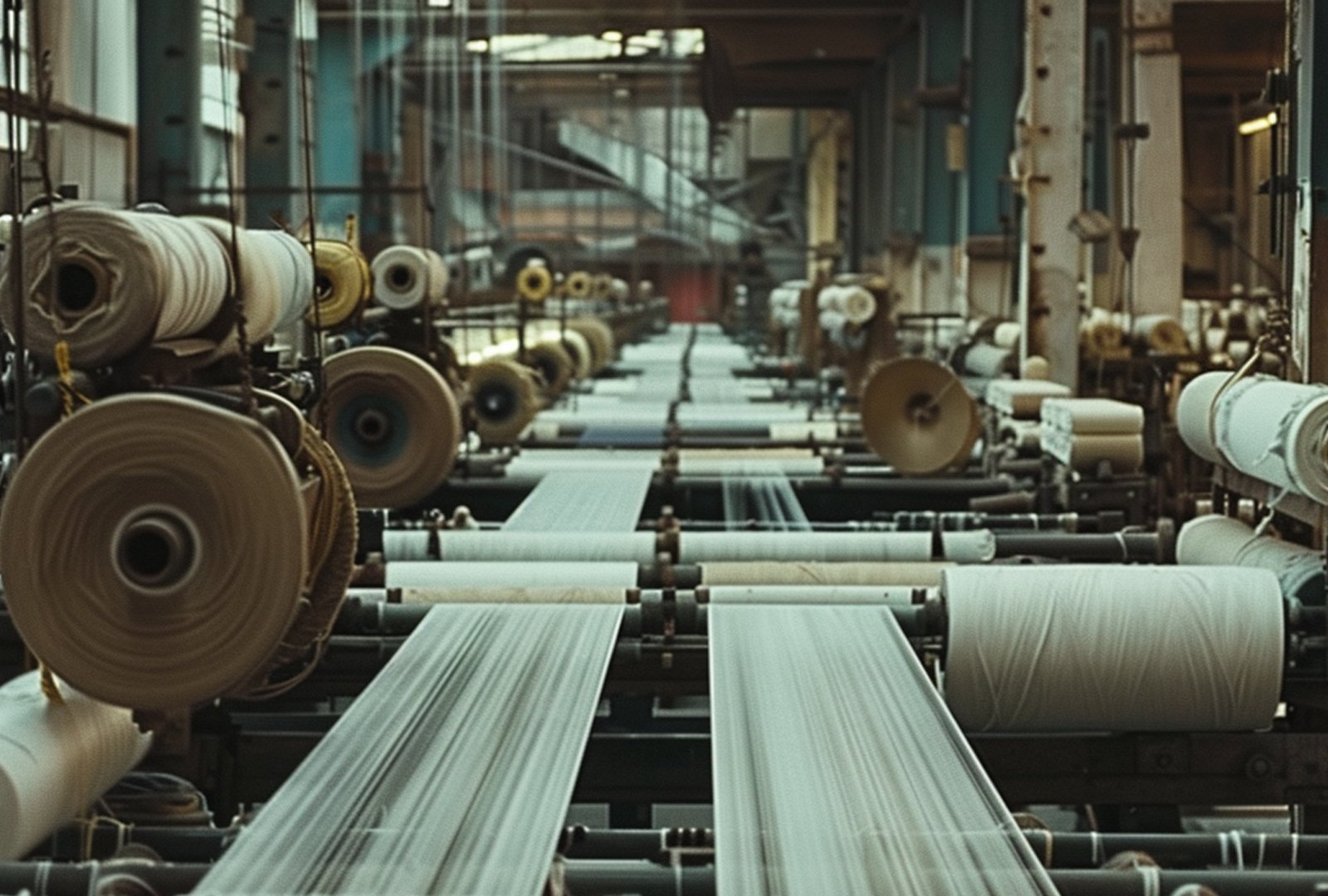
Each Italian mill operates with discipline. Yarn selection is done with precision. Weaving is handled on advanced looms designed to preserve thread integrity. Finishing is done with an eye for touch and texture. The outcome is fabric that feels alive, smooth yet substantial, soft yet structured.
For anyone who values material excellence, Italian fabric represents a balance between engineering and art.
Why Italian Fabric Excels in Shirting
A man’s shirt is one of the most difficult garments to produce. It must keep its shape, breathe properly, and look good even after long periods of use. Italian shirt fabrics easily meet these requirements.
They are woven with a high thread count, giving the fabric a smooth surface and subtle lustre. Long-staple cotton, typically Egyptian or Sea Island, is spun into uniform yarns that resist pilling and fraying. This consistency ensures comfort and durability, two characteristics that define good shirting.
Italian mills also prioritise balance. The weave is neither too tight nor too loose, so the fabric drapes naturally. This results in shirts that move easily and retain their structure even after multiple washes.
Cirocco adheres to this same philosophy. Like the Italian masters, we believe that a fine shirt starts with fine yarn and ends with care.
Weaving Matters More Than You Think
Before any chemical finish enters the picture, the fabric itself plays a starring role. Poplin, twill and Oxford weaves all behave differently. A tight, fine weave like poplin already resists creasing better than a loose weave. Twill, with its diagonal structure, drapes well and hides minor wrinkles. Oxford, with its textured finish, wears in gracefully.
When fabric manufacturers in India and abroad produce wrinkle-free shirting fabrics, they often choose stable weaves that complement the finish. It’s a clever combination: engineering at the fibre level, structure at the weave level, and design at the garment level.
The Difference in an Italian Suit Fabric
While shirting is the focus here, no discussion of Italian textiles is complete without mentioning the iconic Italian suit fabric. The same dedication to spinning, weaving, and finishing that distinguishes Italy’s shirting tradition also applies to suiting.
Fine wool, silk blends, and lightweight cottons are designed for both structure and comfort. These fabrics are breathable, resistant to creases, and drape with precision. The technical understanding gained from suiting has a direct influence on Italian shirt fabrics, resulting in similar finesse and control.
This multidisciplinary approach explains why Italian mills continue to lead in global textile innovation.
How to Identify a Good Italian Shirt Fabric
Recognising high-quality fabric requires some observation and experience. Italian shirt fabrics stand out for their texture, weave, and long-term performance. Here’s how to recognise them.
- Feel the texture.
Begin with touch. A high-quality fabric feels smooth and balanced. It shouldn’t be slippery or too stiff. The best Italian cottons feel alive in your hands, with a clean surface and gentle flexibility.
- Look at the weave.
Hold the fabric up to the light. The weave should appear even, with no irregular gaps or loose threads. Italian mills are renowned for their precision, and this consistency is often immediately apparent.
- Observethe finish.
Good fabrics have a soft, natural glow rather than a shiny finish. The quiet lustre comes from careful finishing and high-quality fibres, not chemical coatings.
- Check thecolourdepth.
Examine how the fabric retains colour. Italian shirtings absorb dye well, allowing them to retain depth and brightness even after multiple washes.
- Notice how it holds shape
A strong fabric returns to form easily. Seams stay aligned, collars stay crisp, and the shirt keeps its proportions through wear and washing.
Each of these signs points to skill in weaving and finishing. When several come together, you are looking at a fabric designed to last.
Expertise Beyond Borders
Cirocco has long admired Italian textile production methods. It reflects our shared principles of precision, consistency, and unwavering craftsmanship. Since 1932, our work has been guided by the belief that quality can be achieved over time with patience and attention.
Every process starts with the material. We source high-quality cottons and oversee the entire manufacturing process, from spinning to finishing. The goal is simple: create fabrics that feel good, perform well, and last over time.
We consider weaving to require both skill and comprehension. The methods have evolved, but the principles remain the same. Each fabric is meticulously designed, stability-tested, and refined until it meets our own high standards.
Our priority has always been the people who use and wear our fabrics. Designers, manufacturers and customers trust us because our fabrics are consistent, comfortable and reasonably priced. That trust is our most important metric of success and the reason we keep doing what we do.
Why Italian Fabrics Continue to Lead
The continued global respect for Italian fabrics lies in their commitment to perfection. Mills evolve with the times but never compromise on craftsmanship. They invest in innovation, but always with purpose, to improve texture, performance and sustainability.
Many Italian producers now focus on eco-friendly finishing and water recycling. Their success demonstrates that luxury and responsibility can exist together. That is a philosophy Cirocco believes in deeply. A well-made fabric that lasts longer reduces waste and honours both maker and user.
The Value of Knowledge
True textile knowledge is made of small moments. It lives in the way a spinner reaches for one bobbin over another, in the half degree that a finisher will alter the bath temperature, in the pause a loom operator takes before starting a run. These are not dramatic gestures. They are repeated choices that add up.
Over the years, the maker learns patterns that do not appear in books, how a yarn will behave when damp. Which twist gives a cloth crispness without brittleness. How a particular finish will soften a weave without flattening the texture. You recognise this knowledge when a fabric sits comfortably on the shoulder, breathes on a warm day, and keeps its shape after a long journey.
Continuity matters because it preserves those small lessons. Tradition provides the frame and curiosity supplies the refinements. The best fabrics show both. They feel familiar about the moment you touch them and keep revealing small virtues over time. That is how practical mastery becomes its own kind of quiet luxury..
Conclusion
Italian textiles set a high bar because they blend patience with exactness. They ask for care at every stage, from fibre to finish and reward that care with cloth that performs and endures.
Choosing such a fabric is a practical decision as much as an aesthetic one. It means fewer replacements, better wear, and a clearer sense of value. It also means clothing that behaves in the real world: it breathes, it moves, it settles into a better shape with use.
A heritage of making teaches one simple rule. Do the small things correctly and the whole will follow. That rule explains why a well-made shirt can feel quietly assured. It also explains why people return to Cirocco year after year. Quality, in this sense, is unshowy and unmistakable.
FAQ
1. What exactly is an “Italian fabric” for men’s shirts?
The term "Italian fabric" simply refers to cloth used for men's shirts that is woven or finished in Italy. These fabrics have a history of craftsmanship, thread control, and finishing that lends them a premium feel. When you choose an Italian fabric shirt, you get a smoother surface, refined drape, and longer performance thanks to decades of Italian textile expertise.
2. How do I know I’m getting a high-quality shirt fabric rather than just a pretty label?
Focus on feel, finish and behaviour. Good shirt fabric should feel smooth yet firm in your hand, have an even weave when you hold it to light, and retain its colour and shape after a few washes. If a fabric falls flat too quickly or loses structure, it may be more about branding than real textile quality.
3. What distinguishes Italian fabric used in shirting from other fabrics?
Italian shirting fabric stands out for its premium cotton yarns, tight weaving, and refined finishing. These qualities ensure that the shirt fabric breathes, retains its shape and has a refined appearance. While other fabrics may look good on the first wear, Italian fabrics are designed to last a long time.
4. Can Italian fabric shirts still be practical for everyday wear, or are they only for special occasions?
Italian fabric shirts are intended to be worn rather than displayed. They maintain their shape throughout the workday, breathe easily in warm weather, and feel soft against the skin. What distinguishes them is that they can transition between worlds, crisp enough for the office, relaxed enough for an evening out. A well-cut shirt in Italian fabric appears polished without being overly precious.