

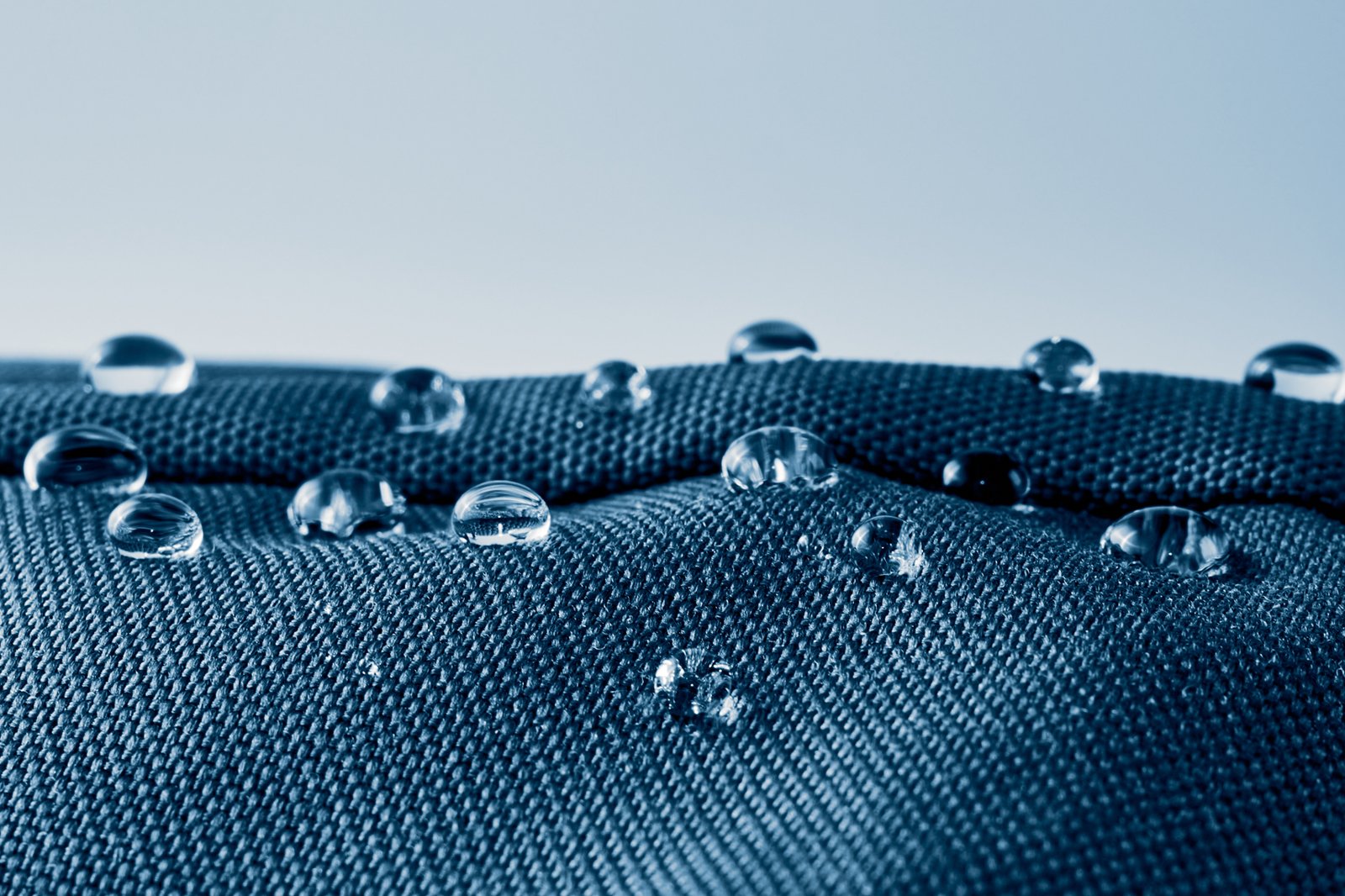
Some revolutions are loud. Others happen quietly, in the way a fabric feels against your skin. Moisture wicking fabric belongs to the second kind. It has transformed the very idea of what comfort means in motion—whether you’re running a marathon, cycling to work, or walking home on a humid evening.
Once upon a time, sweat was simply accepted as part of the effort. Cotton was king, soft and breathable, but it soaked up sweat like a sponge. The moment the exercise began, comfort ended. Clothes clung, cooled, and grew heavy. Then came the birth of moisture wicking fabric—light, technical and deliberate. It didn’t just absorb; it managed. It pulled sweat away from the skin and released it into the air, leaving the body free to move and breathe.
The Science of Staying Dry
At its heart, moisture wicking is about direction. Traditional fabrics hold moisture; moisture wicking fabrics move it. Synthetic fibres like polyester or nylon, often blended with a hint of elastane, create tiny channels that pull liquid from the skin to the outer surface, where it can evaporate.
There’s a quiet beauty in how it works. The fibres are shaped to guide moisture, with their surfaces designed to resist absorption while still allowing for movement. The weave plays a role too. A dense knit may trap air and heat, while a mesh pattern allows both to escape. The result is simple: a fabric that keeps you dry without making a sound about it.
Some brands now mix in bamboo or merino wool, marrying nature’s touch with science’s precision. These blends breathe better and feel softer. The idea is not to replace natural fibres but to refine them.
Comfort Is the New Performance
In the early days, performance wear was about compression, speed, and strength. But comfort—once dismissed as a luxury—has become the real measure of performance. A runner who feels light stays focused longer. A tennis player whose shirt stays dry moves more freely. Moisture wicking clothing doesn’t promise to make you faster or stronger. It simply ensures nothing gets in the way.
That’s what makes it powerful. It helps the body maintain balance—neither too hot nor too cold. It reduces friction, prevents chill and extends stamina. Even after hours of wear, it stays almost invisible to the mind.
And this comfort has moved beyond sport. It’s now part of daily life. People wear moisture wicking fabrics to work, travel, and even to dinner. A decade ago, the idea of a moisture wicking dress shirt would have sounded odd. Today, it’s simply good design.
A Smarter Kind of Sustainability
Every innovation comes with responsibility. Synthetic fabrics, for all their performance, have faced criticism for their environmental cost. But that story is changing too.
Manufacturers now recycle polyester from old bottles and plastic waste. Some use biodegradable fibres that break down faster. Others are developing coatings and finishes that are non-toxic and water-based. The industry is learning that technology and sustainability don’t have to be at odds.
Durability is another form of sustainability. Moisture wicking clothing lasts longer, holds its shape, and dries faster, reducing water and energy use. It resists odour, meaning fewer washes and longer wear. These may sound like small improvements, but multiplied by millions of garments, they make a real difference.
Beyond the Gym, Into Daily Life
Activewear has outgrown the locker room. It’s now part of our everyday rhythm. The same shirt that keeps a marathon runner cool keeps a commuter fresh in the heat. The same leggings that stretch through yoga sessions now appear under office blazers.
This crossover isn’t a marketing trend; it’s a reflection of how we live. Life no longer divides neatly between work and rest. We move constantly, and our clothes must move with us. Moisture wicking fabric fits at that pace. It stays dry through the day, adapts to heat, and keeps its form through motion.
Designers have caught on. Tailored silhouettes, neutral tones, refined textures—all now built from fabrics once reserved for athletes. It’s an evolution that feels inevitable.
The Quiet Technology Beneath the Surface
The next chapter of moisture wicking innovation is already taking shape. Smart textiles are entering the scene, fabrics that respond to temperature, humidity, and even heart rate. Imagine a shirt that cools you when you heat up, or leggings that track hydration through your skin. It’s no longer fantasy; it’s research in progress.
Nanotechnology is refining performance at a microscopic level, making fabrics that resist water and dirt yet remain soft and breathable. The focus is not on what’s visible, but on what’s felt. The goal is clothing that supports the body naturally, almost intuitively.
A Change in Expectation
We rarely think about our clothes until they fail us. A shirt clings. The sock stays damp. A jacket traps too much heat. Moisture wicking fabrics have changed that expectation. They’ve made comfort the default, not the reward.
People may not know the science behind it, but they can feel it. They feel lighter, cooler, more at ease. That quiet ease has become a new luxury.
The Human Side of Fabric Innovation
The story of moisture wicking clothing is, in the end, a story about how people move. Modern life is full of transitions, home to gym, work to dinner, indoors to outdoors. We don’t pause changing with every shift. Our clothes have learned to keep up.
Moisture wicking fabric doesn’t shout about its capability. It doesn’t sparkle or cling. It performs quietly and consistently. It gives you freedom to move, without reminding you that it’s there. That’s what makes it so modern—technology serving human experience, not the other way around.
The Future Is Soft, Cool, and Constant
The next decade of activewear will belong to fabrics that feel natural yet perform like machines. The innovation won’t be in how things look, but in how they feel. Moisture wicking fabric will lead to that movement. It has already changed the way athletes train, travellers pack, and designers think.
Its future will be refinement—lighter yarns, smarter blends, and greater responsibility toward the planet. What began as a niche sports innovation has become an essential part of how we live.
It’s a quiet revolution, but one you can feel every time you pull on your favorite shirt and forget it’s even there.
At Cirocco, we believe that great fabrics don’t just follow the body, they understand it. Our moisture wicking textiles are crafted for comfort, durability, and performance, designed to meet the pace of modern life. To explore how Cirocco’s fabrics can shape your next collection, click here.
FAQ
1. What does moisture wicking fabric actually do?
Moisture wicking fabric pulls sweat away from your skin, allowing it to dry faster. It keeps you cool, dry, and comfortable whether you're working out or just walking around. It's ideal for people who want clothes that stay light and fresh all day.
2. Is moisture wicking clothing good for everyday wear?
Yes. Moisture wicking clothing isn’t just for workouts anymore. It’s perfect for travel, work, or warm weather because it helps you stay dry and comfortable. Many brands now use moisture wicking fabric in casual shirts, trousers, and dresses too.
3. Which fabrics are best for moisture wicking?
The most effective moisture wicking fabrics are polyester, nylon, and elastane blends. Some modern versions use bamboo or merino wool for a softer, more natural feel. These fabrics wick moisture and dry more quickly than cotton.
4. How do I wash moisture wicking clothes?
Wash moisture wicking clothing in cold water and avoid fabric softeners—they can block the fibres that move moisture. Use a mild detergent and air-dry when possible. This keeps the fabric’s performance and stretch intact for longer.
5. Are moisture wicking fabrics sustainable?
Many moisture wicking fabrics are now made of recycled polyester or environmentally friendly fibres. They also last longer and require fewer washes, conserving water and energy. Choosing long-lasting, moisture-wicking clothing is a small but important step towards sustainable living.