

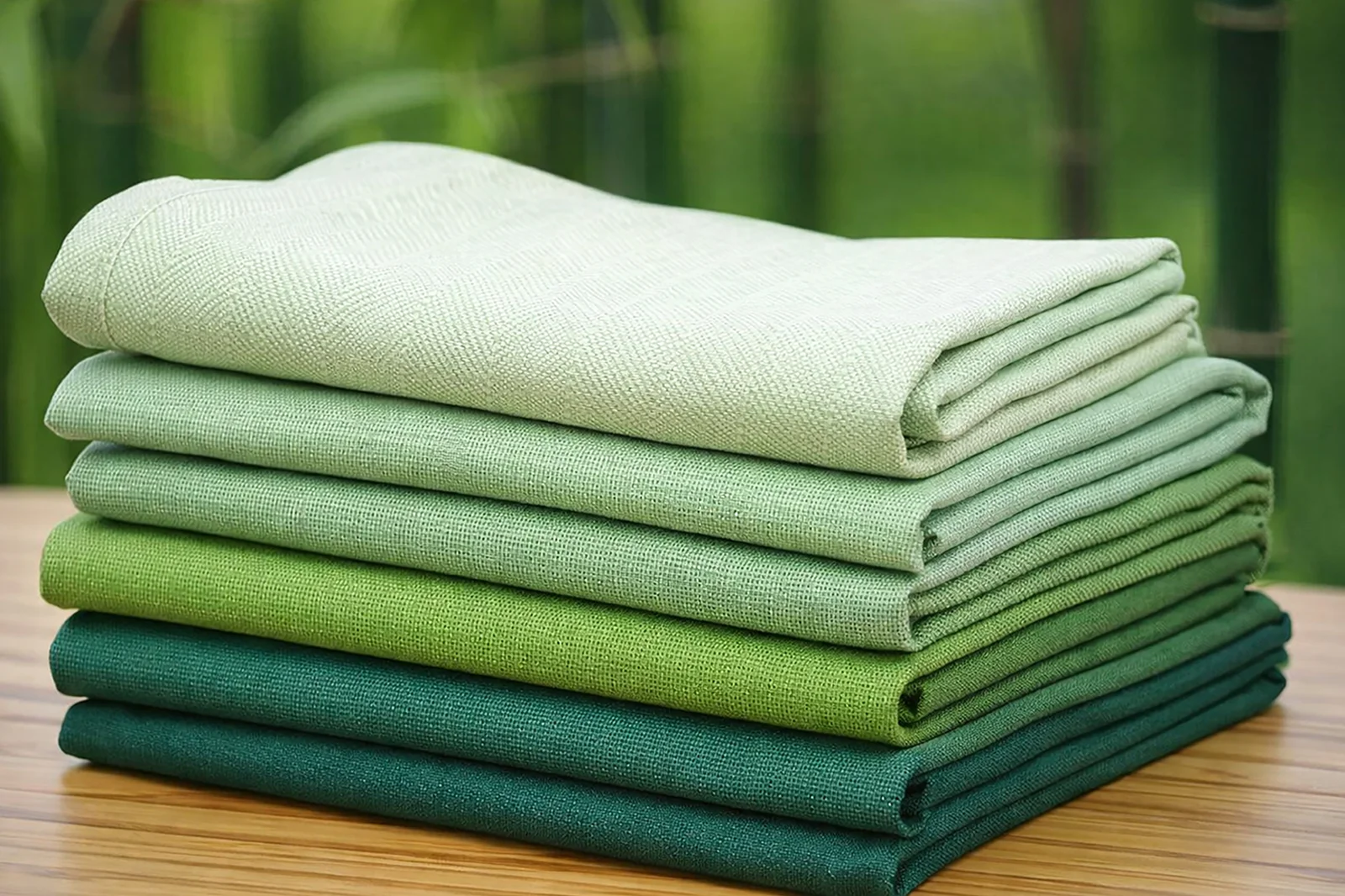
Materials rarely transform the fashion industry overnight. Change usually arrives quietly. It begins with experimentation, moves into small collections and eventually finds its way into everyday wardrobes. Bamboo cotton has followed that path. What started as a niche blend associated mainly with sustainability conversations has now developed into a serious fabric option across multiple clothing categories.
Today, the conversation around bamboo cotton is less about newness and more about application. Brands are not asking whether it is viable. They are asking where it performs best and how it can strengthen their collections.
What Is Bamboo Cotton?
Bamboo cotton is a blended textile made by combining bamboo-derived regenerated fibre with natural cotton. The bamboo component is typically processed into viscose or a similar cellulose fibre before spinning. Once blended with cotton, the resulting yarn carries characteristics of both fibres.
Cotton brings structure, familiarity and ease of manufacturing. Bamboo-derived fibre contributes smoothness, drape and moisture regulation. The proportion of each fibre can vary depending on the intended use. A higher cotton ratio may prioritise durability, while a higher bamboo content may enhance softness and fluidity.
The result is a fabric that feels refined but remains practical to produce at scale.
A Shift in How It Is Used
Previously, bamboo cotton was frequently used in collections advertised exclusively for sustainability. While environmental factors remain important, the present trend is more technological. Designers and sourcing teams are increasingly assessing bamboo cotton based on measurable performance rather than marketing appeal.
This shift has broadened its importance in clothing.
Bamboo cotton is now used in a variety of products, including structured clothes, casual styles and performance-driven pieces. The growth has been moderate but consistent, fuelled by real-world wearability.
Everyday T-Shirts and Modern Basics
The most noticeable use of bamboo cotton today is in daily shirts. T-shirts made of bamboo cotton are popular because they have a smoother surface and softer hand feel than many traditional cotton alternatives.
In warmer areas, breathability is critical. Bamboo cotton promotes ventilation and effectively absorbs moisture, resulting in greater comfort during long periods of wear. This is beneficial to brands that produce essential basics. Consumers frequently rate a T-shirt based on how it feels in the initial few seconds. The silky finish of bamboo cotton creates a great first impression.
Long-sleeve tops, casual blouses and layered tees all followed the same trend. The combination works well with lightweight knits and jersey constructions, allowing companies to maintain softness without sacrificing strength.
Bamboo Cotton Shirts in Structured Apparel
Shirting has become another important category. Bamboo cotton shirts are increasingly used in both smart-casual and formal wardrobes. The blend offers a balance between structure and drape, which allows garments to maintain a clean silhouette without feeling rigid.
In office settings, comfort across an entire working day matters. Fabrics that manage moisture and remain breathable under indoor heating or summer humidity perform better over time. Bamboo cotton supports this need while still accepting crisp finishes and consistent dyeing.
From a manufacturing perspective, the blend behaves predictably during cutting and stitching. This reliability makes it attractive for larger production runs where consistency is critical.
Innerwear and Close-to-Skin Garments
Another area of growth lies in garments worn closest to the body. Underwear, camisoles and base layers benefit from fabrics that reduce friction and manage moisture effectively.
Because bamboo cotton has a smooth surface and balanced breathability, it works well in these categories. Sensitive skin considerations also influence fabric choices and many brands position bamboo cotton as suitable for people seeking softer, less abrasive materials.
Sleepwear follows a similar logic. Breathable fabrics contribute to temperature comfort overnight, especially in regions with fluctuating climates.
Fabric Innovation and Finishing
What makes the current phase different from earlier adoption is refinement. Mills have improved spinning techniques to enhance fibre alignment and reduce pilling. Finishing processes have become more controlled, allowing bamboo cotton fabric to maintain colour depth and surface smoothness after repeated washing.
These technical improvements matter. Consumers expect garments to retain shape and appearance over time. A fabric that feels luxurious but loses structure quickly cannot sustain demand. The maturation of bamboo cotton production has strengthened its credibility in mainstream apparel.
Blends are also becoming more purposeful. Rather than generic ratios, mills now adjust fibre composition depending on whether the fabric is intended for woven shirts, knitted tops or lightweight outerwear.
Market Direction and Consumer Awareness
The broader textile market is shaped by two overlapping concerns: comfort and responsibility. Buyers are paying closer attention to sourcing transparency and environmental claims. At the same time, they prioritise wearability.
Bamboo cotton sits at the intersection of these expectations. Bamboo as a raw material grows quickly and requires fewer agricultural inputs than many conventional crops. While processing methods vary, advances in closed-loop systems aim to reduce chemical waste.
Consumers may not always examine technical details, but they recognise when a garment feels comfortable and aligns with their values. This dual appeal explains why bamboo cotton continues to gain shelf space.
Retail data from recent years shows sustained growth in bamboo-based clothing segments, particularly in basics and lifestyle apparel. Rather than remaining confined to specialist brands, the fabric now appears across mid-range and premium labels.
Why It Is Not Replacing Cotton
An important point is that bamboo cotton is not designed to replace traditional cotton entirely. Cotton remains a dominant global fibre due to its familiarity and supply infrastructure.
Instead, bamboo cotton complements it. Manufacturers find a balance between performance improvement and production efficiency by mixing fibres. This balanced strategy lowers risk for businesses while providing customers with a noticeable boost in feel and function.
The evolution is collaborative, rather than destructive.
Looking Forward
The future of bamboo cotton will most likely focus on precision rather than expansion. As mills improve processing methods and brands gain a greater understanding of their capabilities, applications will become more targeted.
We may anticipate continuous use in everyday tops, bamboo cotton shirts, innerwear and relaxed lifestyle clothes. We may also see more experiments with lightweight tailoring and climate-responsive designs.
Materials succeed when they solve practical problems. Bamboo cotton improves comfort, enhances breathability and supports responsible sourcing narratives without complicating manufacturing processes. That combination gives it stability in a competitive textile landscape.
In the end, its growth has been driven by performance. As long as clothing continues to prioritise comfort and conscious production, bamboo cotton will remain part of that conversation, not as a novelty, but as a considered choice within modern apparel.
FAQ
Does bamboo cotton need special care while washing?
Bamboo cotton can be washed like regular cotton in cold or normal water. Mild detergent works well. Avoid very high heat during drying to help the fabric maintain its softness and shape.
Is bamboo cotton a good choice for daily wear?
Yes. Bamboo cotton is designed for regular use. It handles frequent washing and long hours of wear comfortably. This is why bamboo cotton shirts and everyday garments often use this blend.
How does bamboo cotton feel compared to regular cotton?
Bamboo cotton fabric typically feels smoother and somewhat cooler against the skin. It provides a softer surface while retaining the breathability associated with cotton. Many individuals favour it in hot weather or for extended wear.
Can bamboo cotton fabric be used for formal clothing?
Yes, when woven correctly. Bamboo cotton holds structure well, making it suitable for formal shirts and clean silhouettes. It presses neatly and maintains a polished appearance.
Why do brands prefer bamboo cotton over newer fabric blends?
Because it behaves predictably. Bamboo cotton behaves consistently during production, maintains stability across batches and provides for fair pricing. For brands, this eliminates risk while providing greater comfort than normal cotton.