

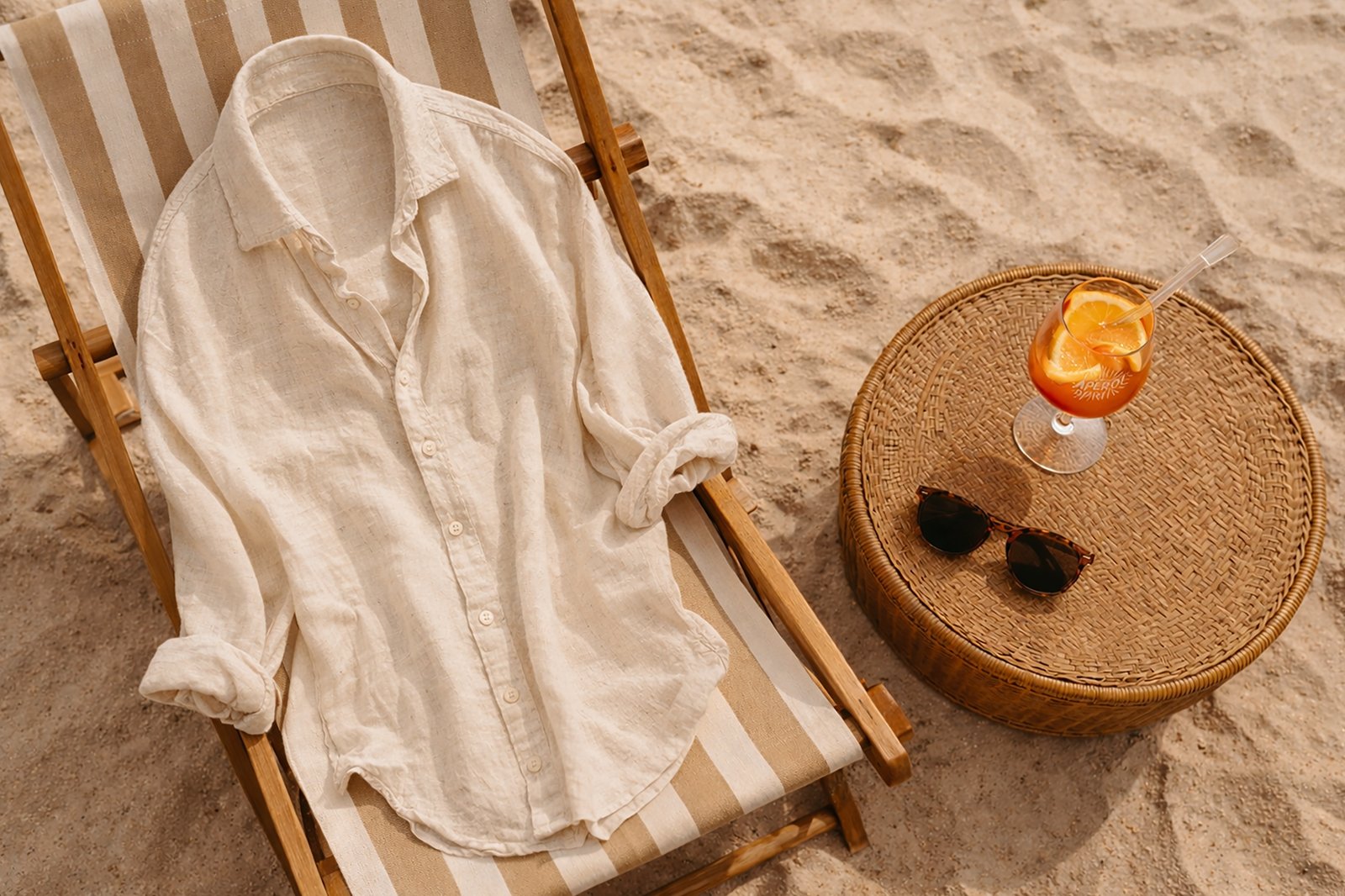
Every year, as temperatures begin to climb, wardrobes quietly undergo a shift. Heavy weaves are folded away, while lighter materials take centre stage. From the standpoint of a fabric manufacturer, this seasonal transformation is more than just a shift in consumer preferences. It provides a clear indication of how climate affects demand, production cycles and the value of specific fabrics over others.
Among all summer fabrics, linen regularly ranks at the top. The market for linen fabrics rises with surprising predictability, driven by a simple fact. People prefer clothing that feels as light as the air around them. This is when linen shirts begin to stand out, providing a perfect blend of comfort, breathability and classic charm.
Understanding Linen at Its Core
To understand why linen performs so well in the heat, consider its origin. Linen is created from the fibres of the flax plant, which flourishes in temperate areas and requires proper processing. Unlike many synthetic fabrics, linen fibres have a natural structure that allows air to pass easily through the garment.
From a manufacturing aspect, this fibre structure is what gives linen its distinct qualities. The threads are slightly uneven, resulting in small gaps throughout the weave. These spaces allow heat to escape and fresh air to flow, making linen materials exceptionally breathable.
This natural ventilation forms the basis of linen’s status as a summer essential.
Breathability That Works With the Body
Summer clothing succeeds when it works in harmony with the body rather than against it. Linen shirts excel in this area because they allow the skin to breathe. When temperatures rise, the body produces sweat to regulate heat. Fabrics that trap moisture tend to feel heavy and uncomfortable, especially in humid conditions.
Linen fabrics absorb moisture quickly and release it just as fast. This process helps keep the skin dry and cool, even during long hours outdoors. From the perspective of production, achieving this level of performance does not require complex chemical treatments. It is built into the fibre itself.
This natural efficiency is one of the reasons linen continues to outperform many modern alternatives during the summer months.
The Rise of Linen in Modern Summer Wear
In recent years, there has been a dramatic shift in how customers perceive linen. What was formerly considered a niche or expensive fabric has now become a popular choice. Linen shirts are currently worn in a variety of fashions, from casual wear to elegant summer tailoring.
Manufacturers are responding to this transition by increasing production quantities and offering a wider range of linen fabrics. Designers are experimenting with various weaves, finishes and combinations to accommodate changing consumer preferences. Despite these advances, the core of linen has not changed. Its capacity to provide comfort in hot conditions continues to fuel its popularity.
This increase is partly impacted by a growing interest in natural fibres. Consumers are paying more attention to what they wear and linen provides a sense of genuineness that complements this approach.
Durability That Complements Lightness
It is commonly assumed that lightweight fabrics lack strength. Linen undermines this notion. Despite their light texture, linen fibres are noted for their resilience. In fact, linen softens with each wash while maintaining its shape over time.
Durability is a significant manufacturing advantage. It enables linen materials to maintain their shape even after repeated use, providing long-term value to the wearer. Linen shirts frequently develop a distinct character as they age, with a texture that becomes more comfortable.
Linen’s combination of strength and softness makes it an excellent choice for summer clothes.
Texture That Defines the Aesthetic
Beyond comfort, linen offers a visual appeal that sets it apart. The slightly crisp texture and natural wrinkles give linen shirts a relaxed yet refined look. This aesthetic has become closely associated with summer style, where ease and elegance go hand in hand.
From the production side, achieving this texture involves careful control during weaving and finishing. The goal is to preserve the natural character of the fibres while ensuring consistency across the fabric. This balance allows linen fabrics to maintain their signature appearance without compromising on quality.
The result is a fabric that looks as good as it feels, which explains its enduring presence in summer fashion.
Sustainability and the Modern Consumer
Another factor contributing to linen’s popularity is its environmentally friendly nature. The flax plant requires less water than many other fibre crops and can thrive in poor soil conditions. As a result, linen fabrics are appealing to consumers looking for more environmentally conscious options.
For manufacturers, this is consistent with a larger shift toward sustainable production processes. Linen provides a possibility to minimise environmental impact while maintaining excellent performance. This balance is becoming morecritical as the sector adjusts to changing demands.
Consumers nowadays are more informed and their purchasing decisions reflect a preference for materials that are both useful and thoughtful. Linen comes naturally into this story.
The Role of Craftsmanship in Linen Production
Producing high-quality linen fabrics necessitates a level of artistry that goes beyond traditional textile procedures. From harvesting the flax to spinning the fibres and making the fabric, each step demands accuracy and care.
This attention to detail is what guarantees consistency in texture, strength, and performance. As the demand for linen shirts grows, manufacturers engage in new procedures while retaining traditional ways that characterise the fabric’s essence.
The end result is a product that embodies both legacy and innovation, with a level of quality that sets it apart in the market.
Why Linen Shirts Continue to Lead
When all of these aspects are considered, it becomes evident why linen is so popular in the summer. Linen shirts provide a unique combination of breathability, durability, and style. They respond to the needs of the season in a natural and simple manner.
Linen represents the ideal balance of material qualities and market need, according to fabric manufacturers. The boost in productivity during the warmer months is caused by true performance gains rather than transient trends.
As long as summers are pleasant and people are looking for comfort in their apparel, linen materials will stay popular.
The Future of Linen in Summer Fashion
The future of linen looks promising. Innovations in weaving and finishing are expanding its versatility, making it suitable for a wider range of garments. At the same time, its core qualities remain unchanged, which ensures its relevance year after year.
Linen shirts will continue to evolve in design and application, yet their essence will stay rooted in simplicity and comfort. For manufacturers, this presents an opportunity to refine processes, improve efficiency and meet growing demand with consistency.
In the end, linen’s success is grounded in its ability to meet a fundamental need. When the heat rises, people look forfabrics that feel light, breathable and reliable. Linen answers those needs with quiet confidence, which is why it remains the king of hot weather.
FAQ
How should I choose the right linen shirts for very hot weather?
Look for lightweight weaves and a slightly relaxed fit. A looser structure allows better airflow, which helps the fabric perform at its best in high temperatures. Softer finishes can also enhance comfort, especially for all day wear.
Do linen fabrics shrink after washing?
Linen fabrics can shrink slightly during the first few washes if they are untreated. Pre washed or garment washed linen reduces this effect. Following care instructions such as washing in cool water and avoiding high heat during drying, helps maintain the original size and shape.
Why do linen shirts wrinkle so easily?
Wrinkling is a natural characteristic of linen fibres. The structure of the fibre gives the fabric its breathability and texture, which also leads to creasing. Many people appreciate this relaxed look as part of linen’s charm, especially in summer clothing.
Are linen fabrics suitable for formal wear in summer?
Yes, linen fabrics can work well for formal settings when styled carefully. Finer weaves and tailored cuts create a more polished appearance. Linen shirts in neutral shades paired with structured garments can offer a refined look while still keeping you comfortable in warm conditions