

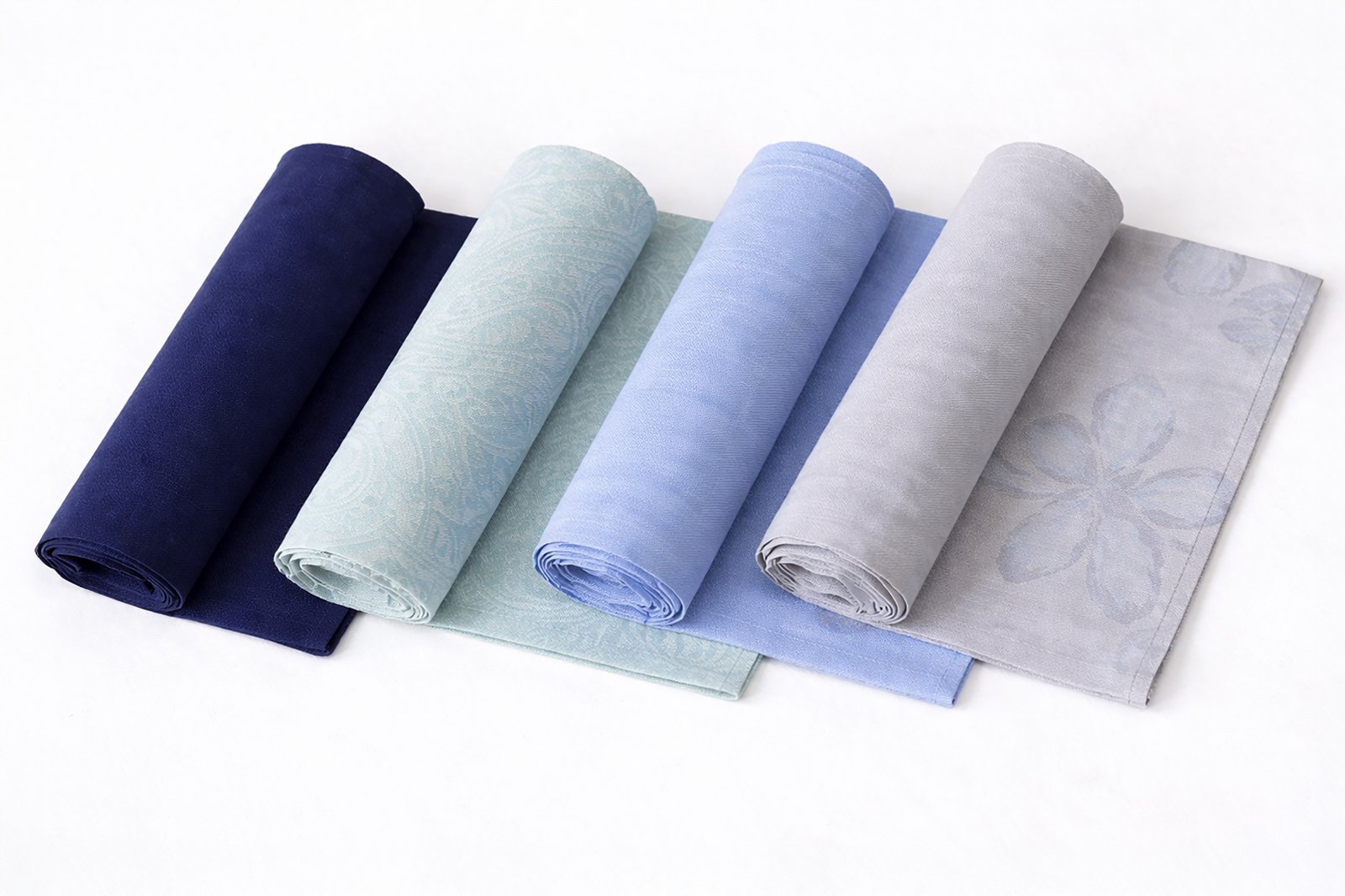
When people buy a shirt, they usually focus on colour, fit or design. What often gets ignored is the weave. That small detail is what decides how the fabric feels on your skin, how it looks when you wear it and how it holds up after repeated use.
A weave is simply the way threads are interlaced to create fabric. Even when two shirts are made from the same cotton, the weave can make them feel completely different. One may feel light and crisp, while another feels soft and slightly heavy. One may wrinkle easily, while another stays presentable through a long day.
Understanding this helps you choose better. It also helps you understand why certain shirts work better in certain situations.
Poplin: Light, Smooth and Sharp
Poplin is one of the most widely used fabrics for formal shirts. It is made using a simple weaving pattern where threads cross over and under each other evenly. This creates a flat and smooth surface.
The first thing you notice about poplin is how clean it looks. There is no visible texture, which gives it a sharp and neat appearance. This is why it is commonly used in office shirts and formal settings. It reflects light evenly, which adds to that polished look.
It is also very light and breathable, making it comfortable in warm weather. At the same time, it tends to wrinkle more easily because of its smooth surface. This means it may need a bit more care to maintain that crisp finish.
Poplin works best when you want something that looks professional and feels easy to wear throughout the day.
Twill: Soft, Strong and Practical
Twill is easy to identify if you know what to look for. It has a subtle diagonal pattern that runs across the fabric. This pattern serves more than just aesthetic purposes. It alters how the fabric behaves.
Because of the way the threads are woven, twill is stronger and more durable than poplin. It also feels softer and thicker. When you wear a twill shirt, it drapes more naturally around your body rather than feeling stiff.
Another advantage of twill is its ability to handle wrinkles. The texture hides creases, so the shirt looks good even after hours of wear. This makes it a convenient option for long workdays or travel.
Twill is frequently chosen by people seeking a balance of comfort and refinement. It does not feel overly formal, but it does appear put together.
Oxford: Relaxed and Reliable
Oxford fabric has a more casual personality. It is made using a basket weave, where threads are grouped together instead of being woven individually. This creates a slightly thicker fabric with a visible texture.
When you touch an Oxford shirt, it feels soft but also a bit sturdy. It is breathable, though heavier than poplin. The texture gives it a relaxed appearance, which is why it is often used for casual shirts, especially button-down styles.
One of the best things about Oxford fabric is how it changes over time. With regular washing and wear, it becomes softer and more comfortable. Many people find that their Oxford shirts get better the longer they use them.
It may not be the first choice for formal occasions, but it is perfect for everyday wear where comfort matters just as much as appearance.
Jacquard: Woven Detail and Visual Depth
Jacquard fabrics differ from other weaves due to the way their designs are created. Instead of printing patterns on the surface, the design is woven right into the fabric.
This allows for more intricate and complicated patterns. Some designs are bold, while others are subtle and only visible when light hits the fabric from specific angles.
This construction often gives jacquard shirts a more luxurious feel. The patterns create depth without relying solely on colour. This makes them a popular choice for occasions when you want your outfit to stand out in a more refined manner.
The design does not fade easily over time because it is woven into the fabric. The fabric retains its character even after several washes.
Choosing the Right Fabric for the Right Moment
Each weave has its own purpose and the choice usually depends on how and where the shirt will be worn.
Poplin fits well in formal settings where a clean and sharp look is important. Twill works well for long days when comfort and durability matter. Oxford is suited for relaxed environments and everyday use. Jacquard is ideal when you want to add a bit of detail without being too loud.
Once you understand these differences, choosing a shirt becomes much simpler. You are not just picking a colour or style. You are choosing how the fabric will behave throughout your day.
The Role of Weaving in Fabric Quality
For a fabric manufacturer, the weave is where intention meets execution. It is not enough to simply choose a pattern; you must also understand how yarn, tension and technique work together to achieve the desired result.
At Cirocco Fabrics, this understanding serves as the foundation for creation. Each weave is approached with a clear purpose. Yarn selection, loom calibration and finishing processes all contribute to the final texture. Long before the fabric is transformed into a shirt, these decisions shape its character.
Consistency is equally important as creativity. A weave must perform consistently, retaining its qualities throughout production. This necessitates precision and care, an attention to detail that is often overlooked by the end user but felt throughout every interaction with the fabric.
A Smarter Way to Look at Shirts
Once you start paying attention to fabric weaves, your approach to buying shirts changes. You begin to notice why some shirts feel better, last longer, or look sharper than others.
It is no longer just about appearance. It becomes about understanding the structure behind it.
The next time you pick up a shirt, take a moment to look beyond the surface. The weave will tell you everything you need to know.
FAQ
How can I identify the weave of a shirt while shopping?
The easiest way is by looking closely and feeling the fabric. Poplin looks flat and smooth with no texture. Twill has a slight diagonal pattern if you tilt it under light. Oxford feels a bit grainy or textured to touch. Jacquard usually has visible patterns woven into the fabric, not printed on top. Once you know what to look for, it becomes quite easy to tell them apart.
Does the weave affect how long a shirt lasts?
Yes, the weave plays an important role in durability. Twill typically lasts longer due to its tighter and stronger structure. Oxford is also quite durable, thanks to its thicker weave. Poplin, being lighter, may wear out faster if used frequently. Jacquard durability is determined by the yarn quality, but the woven design does not fade easily.
Which shirting weave is best for humid or sweaty conditions?
Poplin is usually the best choice for hot and humid weather because it is lightweight and allows for more airflow. Oxford can also be comfortable, but it feels a little heavier. Twill's denser structure may make it feel warmer, so it's best suited for cooler or air-conditioned environments.
Does the weave affect how colours look on a shirt?
Yes, it does. Poplin shows colours very clearly and evenly because of its smooth surface. Twill can make colours look slightly deeper due to its texture and the way it reflects light. Oxford often gives colours a softer, more muted look. Jacquard adds depth, as the woven patterns can create a mix of light and shadow within the same colour.