

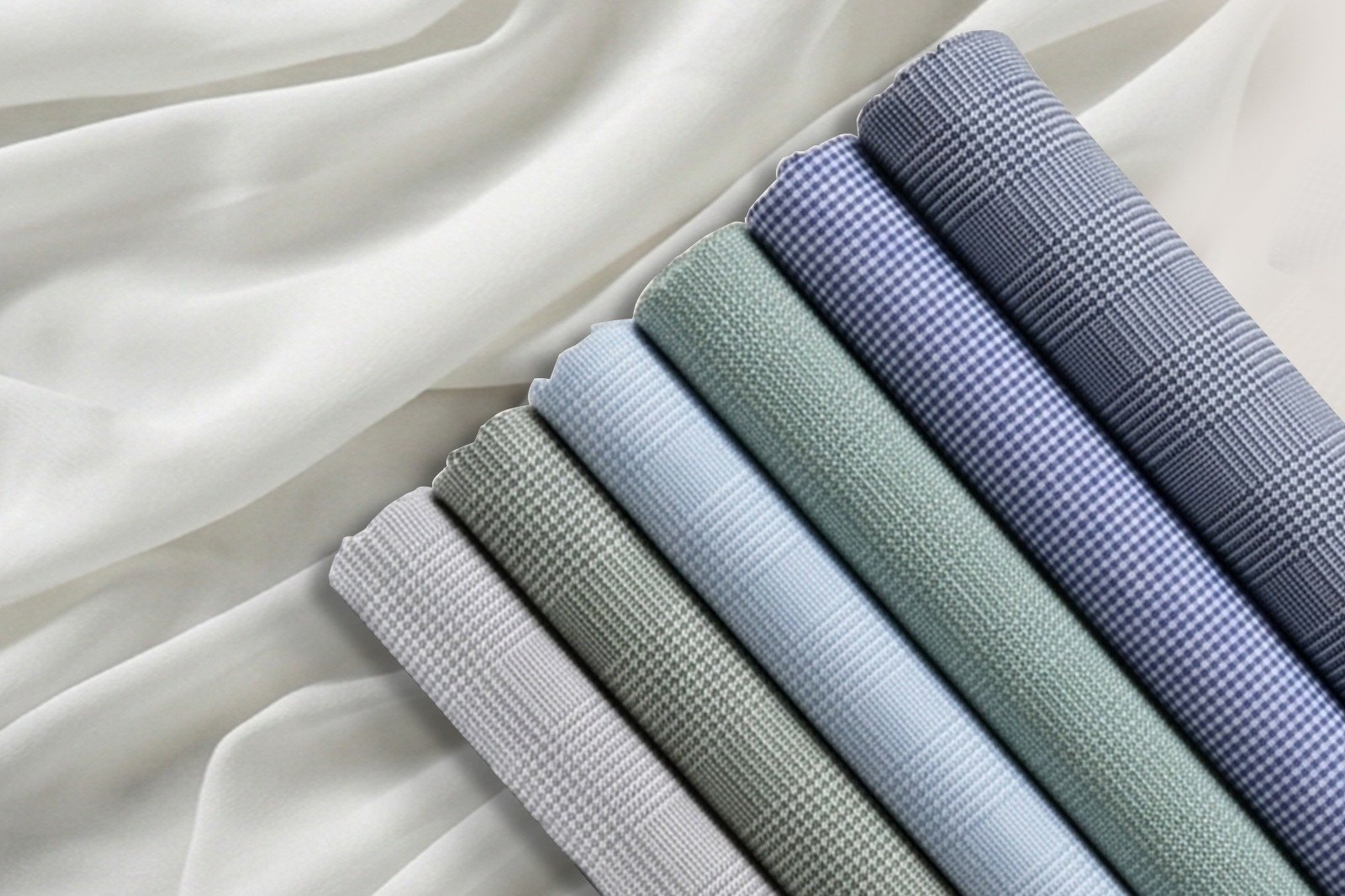
Take a look around your office and you will notice something interesting. The idea of “formal wear” is no longer rigid. It breathes. It adapts. It moves with the person wearing it.
And that shift begins with fabric.
If you are building a corporate wear collection, your success will not come from silhouettes alone. It will come from how your textiles behave at 9 AM, at 2 PM and at 7 PM when someone is still in the same outfit but expects it to look just as sharp. Let’s break this down the way it actually works in the real world.
Start With the Reality of the Workday
Before you even look at swatches, ask a simple question:
- What does the wearer’s day look like?
- Is it air-conditioned offices and desk work?
- Is it constant movement, meetings, travel?
- Is it client-facing, where appearance carries weight?
Corporate wear is not about looking good in a mirror. It is about holding up through time, pressure and repetition.
This is why fabric selection becomes a functional decision first and an aesthetic decision second.
The Foundation Fabrics That Always Work
Some fabrics have stayed relevant in corporate wear for a reason. Not because they are traditional, but because they solve real problems.
Cotton: The Reliable Base
Cotton is often the starting point for shirts and everyday office wear. It is breathable, easy to wear and familiar.
But not all cotton behaves the same.
- Combed cotton gives a smoother finish, ideal for refined shirts
- Poplin weaves offer structure without feeling heavy
- Oxford cotton brings a slightly more relaxed texture
For Indian climates especially, cotton is not optional. It is essential. But it often needs support, which brings us to blends.
Polyester Blends: The Workhorse
Pure cotton wrinkles. It loses shape over long hours. This is where polyester blends quietly do their job.
A cotton-poly blend can:
- Improve wrinkle resistance
- Hold structure throughout the day
- Reduce maintenance for the end user
For brands, this is not just a fabric decision. It is a customer retention decision. Clothes that are easier to maintain get worn more often.
Wool: Structure and Authority
When it comes to suits, wool still leads.
Lightweight wool works beautifully for formal suiting, even in warmer regions when chosen correctly. It drapes well, resists creasing and communicates a certain level of polish.
For modern collections:
- Look at tropical wool for breathability
- Consider wool blends for affordability and durability
Wool is less about comfort and more about presence. It shapes how the garment holds itself.
Blends Are Where Modern Collections Win
If you want your collection to feel contemporary, blends are where the real innovation happens.
Cotton + Elastane
This is what makes modern office wear feel wearable.
A small percentage of stretch changes everything:
- Shirts become more comfortable for long hours
- Trousers move with the body instead of restricting it
- Fit feels tailored without being stiff
This is especially important for younger professionals who expect mobility, not just formality.
Viscose and Modal Blends
These fibres bring softness and fluidity into corporate wear, especially for women’s collections.
They:
- Drape beautifully
- Feel lighter on the skin
- Add a premium touch without high cost
Used well, they elevate blouses, dresses and even relaxed formal wear.
Climate Is Not a Side Note
If you are designing for markets like India, climate cannot be treated as an afterthought.
Heat, humidity and long commutes change everything.
Your fabrics must:
- Allow airflow
- Absorb moisture without feeling heavy
- Dry relatively quickly
This is why heavy synthetics fail in real use, even if they look good on display.
Designers who respect climate build collections that people actually wear.
Texture, Finish and Perception
Fabric is not just about performance. It is about how it feels at first touch.
That first interaction often decides whether someone picks up the garment or walks past it.
Smooth vs Textured
- Smooth finishes feel more formal and polished
- Slight textures feel more approachable and modern
A collection that mixes both creates depth without overwhelming the customer.
Matte vs Subtle Sheen
Corporate wear has moved away from high shine.
Today:
- Matte finishes signal quiet confidence
- Subtle sheen works for evening or premium lines
The key is restraint. The fabric should not overpower the person wearing it.
Durability Is the Silent Differentiator
Customers may not always articulate it, but they notice it.
Does the fabric fade after washes?
Does it lose shape?
Does it start looking tired too quickly?
Corporate wear is repeat wear. That means your textiles must handle:
- Frequent washing
- Long hours of use
- Minimal care routines
Investing in durability is not a cost. It is brand credibility.
Sustainability Is No Longer Optional
More brands are now being asked a question that did not come up as often before:
Where is this fabric coming from?
You do not need to overhaul everything overnight, but conscious choices matter:
- Sourcing responsibly produced cotton
- Exploring recycled polyester options
- Reducing waste in production
Sustainability, when done honestly, strengthens brand trust.
Build a Fabric Strategy, Not Just a Collection
The strongest corporate wear brands do not pick fabrics randomly. They build a system.
Think in layers:
- Core fabrics that anchor the collection
- Performance blends that solve everyday problems
- Premium textiles that elevate perception
When these layers work together, your collection feels intentional.
Final Thought
Design can attract attention. Fit can close the sale. But fabric decides whether the garment earns a place in someone’s daily life.
And corporate wear, more than any other category, lives or dies by daily use.
If your textiles can carry someone through their workday with ease, confidence and consistency, you are not just designing clothes.
You are becoming part of their routine. And that is where real brand value begins.
FAQ
Which fabric is best to start with for corporate wear?
You can’t go wrong with a good cotton or a cotton blend. It’s comfortable, easy to wear and works for most office environments. Once that’s sorted, you can slowly add other fabrics.
How do I know if a fabric is good quality?
Touch it and observe how it behaves. A good fabric feels smooth, holds its shape and doesn’t crease too easily. If it already looks tired before use, it won’t last long after.
Is stretch fabric really necessary in office wear?
Not always, but it helps a lot. A little stretch makes clothes more comfortable, especially for long hours or movement. It can make a big difference in how the garment feels by the end of the day.
How many fabrics should I use in one collection?
Keep it limited. Too many fabrics can make the collection feel scattered. A few well-chosen options will give you more consistency and make production easier.