

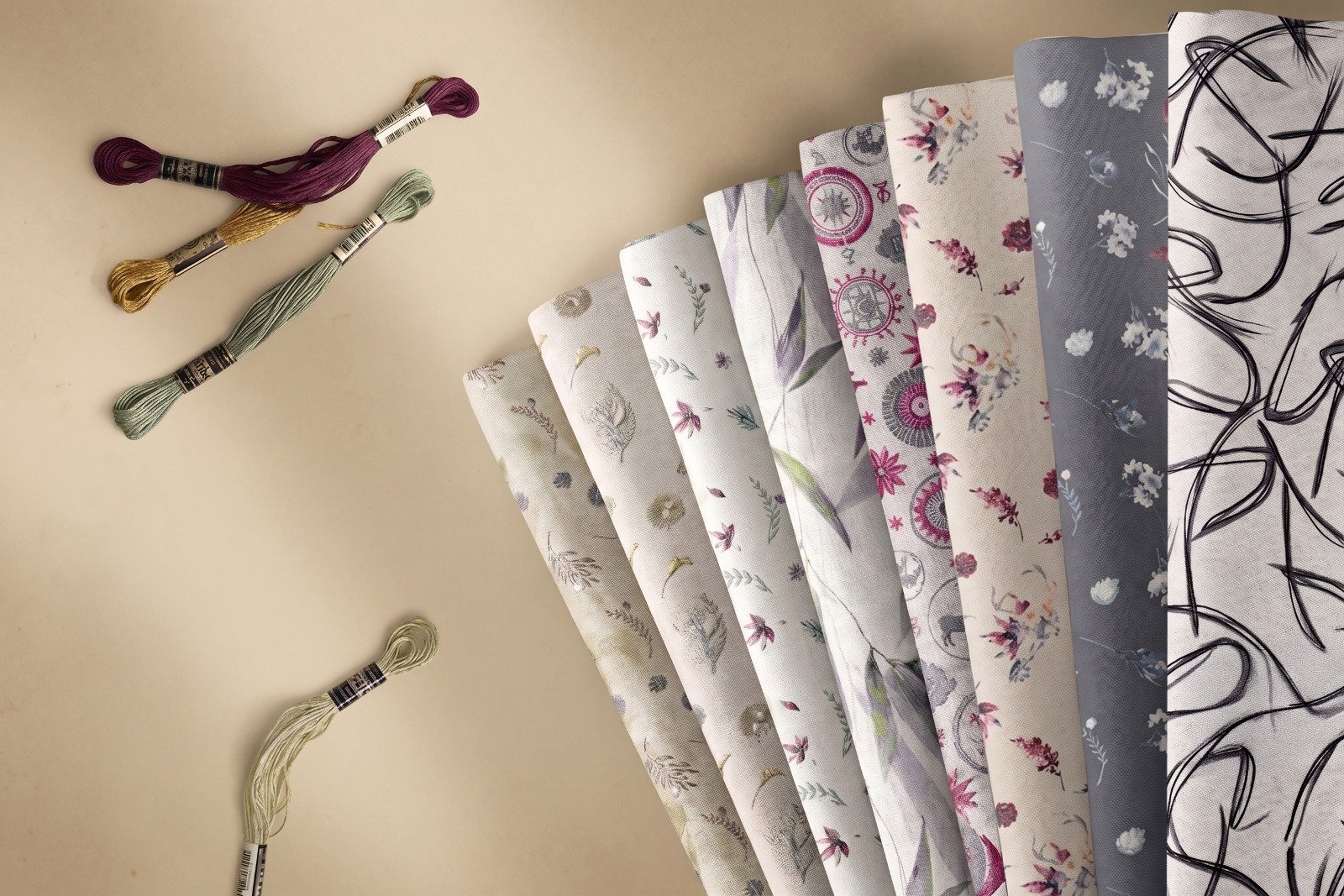
In textiles, survival itself says something.
Markets change faster than most people realise. What sells this season disappears the next. Mills shut down, new ones come up, supply chains stretch across countries and expectations from customers keep shifting.
And yet, there are businesses that remain. Not by standing still, but by learning when to move and when to hold their ground.
Our journey at Cirocco Fabrics began in 1932. At that time, it was about trading. Understanding fabrics, understanding people and understanding what the market needed. There was no blueprint. Just experience is built day by day.
Over the years, that experience turned into something more structured. And eventually, into a way of working that still guides us today.
The Early Years Shaped How We Think
The business started across Karachi and Bombay, dealing in Indian and imported textiles. It was a time when sourcing itself required effort and relationships mattered more than systems.
As the next generation stepped in, the focus widened. Exports, retail, new categories. Each phase added something, but nothing was rushed. Growth happened with familiarity. We learned markets before expanding in them.
By the time the third generation entered, the approach began to change. There was more attention to detail, more discipline in decisions. Fabric was no longer just about availability. It was about suitability. What works, where it works and why.
That shift still reflects in how we operate.
Retailers and Brands Need More than Fabric
If you speak to any fabric retailer or brand today, the concern is rarely just about quality.
It is about availability. It is about how quickly they can restock. It is about whether the same fabric will be there next month if it sells well today.
We understood this over time, not in theory, but through working with customers every day.
That is where our Never Out of Stock collection comes in. A steady range of designs that remain available throughout the year. It helps retailers keep their shelves reliable without carrying excessive inventory.
Alongside that, we continue to introduce new designs every month. This keeps collections fresh without disrupting continuity.
It is a balance that takes effort to maintain. But it matters.
What Quality Actually Means in Practice
The word “quality” gets used a lot in this industry. For us, it is a process and not just a label randomly used.
It starts with the raw material. Extra long staple Egyptian and Supima cotton form the base of many of our fabrics. From there, every stage is monitored. Pre-shrinking, colour testing, defect checks. Nothing is assumed.
This is important because our fabrics do not stay in rolls. They are cut, stitched, worn, washed and used over time. They have to perform.
At the same time, we recognise that quality alone is insufficient if the delivery is inconsistent. That is why our operations are built to move quickly. Most ready orders are processed and shipped within a short window. Speed and quality go bras dessus.
Giving Brands Room to Create
Not every customer is looking for the same thing.
Some want ready collections. Others are looking for something that feels exclusive to them.
Over time, we built the capability to support both.
Our bespoke service allows brands to develop their own fabrics. This can begin with a simple idea or a detailed design. From there, we assist with development, technical inputs and production.
There are practical considerations involved. Minimum quantities, timelines and feasibility. We are transparent about these. At the same time, we remain flexible where it makes sense. The idea is simple. If a brand wants to create something of its own, we should be able to support that process properly.
Staying Connected to Global Direction
Fabric today is influenced by more than local demand.
Design inspiration moves across borders. So do expectations around finish, feel and performance.
We have gradually built a network that allows us to stay connected to these shifts. Whether it is sourcing specialised fabrics or working with advanced manufacturing units, the focus remains the same. Bring the right product to the customer without unnecessary complexity.
Our collections reflect a mix of classic and contemporary. Some designs remain relevant year after year. Others respond to what is changing now. Both have a place.
Change is Constant. So, We Adapt Carefully.
The textile industry today is not what it was even a decade ago.
Customers are paying attention to comfort, functionality and ease of maintenance. Fabrics are expected to do more. Non-iron finishes, stretch, lighter constructions, alternative fibres.
We have expanded in these areas step by step. Not by replacing what works, but by adding to it.
At the same time, we are exploring how technology can simplify the way people interact with fabrics. The process of selection, comparison and decision-making can be time-consuming. There is room to improve that.
Our upcoming work in this space is aimed at making that experience more practical and efficient for our customers.
What Has Stayed Consistent
Through all these changes, one thing has not shifted. We remain closely connected to our customers.
Some prefer to work through our account managers. Others use digital channels. Some need samples. Others know exactly what they want. We adjust accordingly. There is no fixed way of working with us. The requirement defines the approach.
Fabric, Over Time, Becomes Something More
A roll of fabric on its own is just a starting point. What it becomes depends on where it goes. A shirt, a collection, a brand identity. Over time, it becomes associated with a certain standard.
That is where we see our role.
We are part of that starting point. And we take that responsibility seriously.
After more than 90 years, we do not look at legacy as something behind us. It is something we continue to build, one decision at a time. For retailers and fashion brands, the right fabric does more than complete a product. It supports everything that comes after. And that is where fabric begins to turn into legacy.
FAQ
How do I choose the right fabric for my customers?
Start with how your customers will use the garment. Everyday wear needs comfort, breathability and easy maintenance, while premium or occasion wear can focus more on finish and appearance. The right choice always depends on the end use.
Why is working with one reliable fabric partner beneficial?
It makes sourcing more consistent and predictable. You spend less time managing multiple vendors and over time, the partner understands your preferences, which leads to faster and smoother decision-making.
Why does fabric consistency matter so much for brands?
Even small changes in fabric can affect how a product looks and feels. Consistency ensures that customers get the same experience every time, which builds trust and encourages repeat purchases.
When is it a good idea to develop custom fabrics?
When you want your products to stand out or need something specific that is not easily available. Custom fabrics give you more control over design, but they require planning in terms of quantity and timelines.