

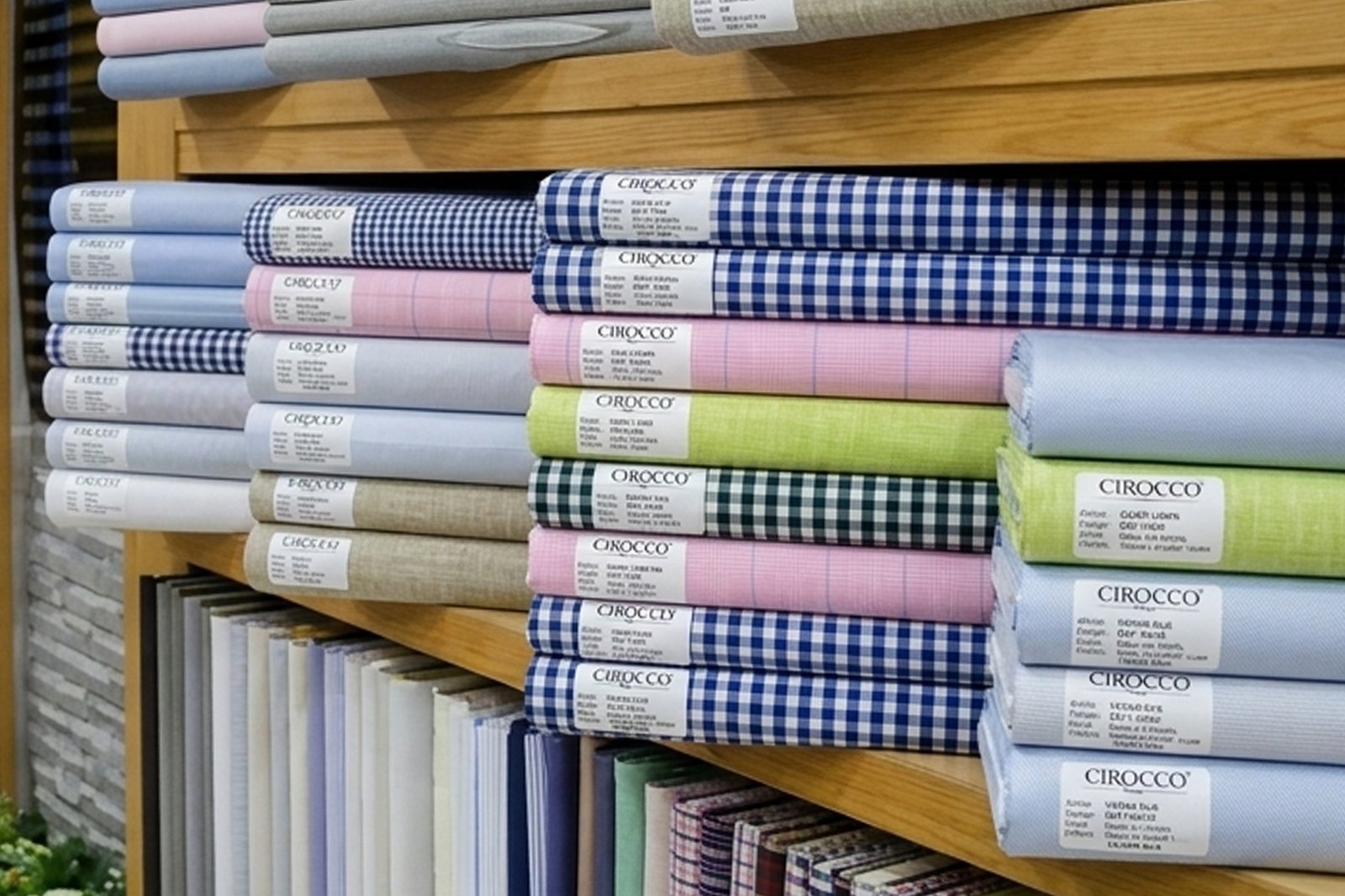
In the fabric business, the difference between a smooth season and a stressful one is often decided long before the first shirt is stitched.
It begins at sourcing.
Over the years, we have seen businesses spend months perfecting silhouettes, branding and retail experiences, only to struggle because the fabric supply could not keep up. A beautiful sample means very little if the repeat stock arrives late, the finish changes between batches, or the fabric behaves differently during production.
Bulk shirting fabric sourcing is not simply about finding attractive fabrics. It is about finding consistency, reliability and a partner who understands how the garment business actually functions.
At Cirocco Fabrics, we have spent decades working closely with retailers, garment manufacturers, bespoke tailoring houses and fabric businesses across India and international markets. And if there is one thing we have learned, it is this:
The right fabric can elevate a brand. The wrong sourcing decision can quietly damage it.
Here is a practical guide to sourcing bulk shirting fabrics the right way.
Start With the End Product, Not the Fabric
One of the most common sourcing mistakes happens surprisingly early. Businesses begin by choosing fabrics before defining the product they are actually trying to build.
A premium formal shirt collection requires a completely different fabric approach compared to relaxed casualwear. A bespoke tailoring house may prioritise exclusivity and hand-feel, while a retailer managing multiple outlets may focus on continuity and replenishment.
Before selecting fabrics, ask:
- Who is the customer?
- What price segment are you targeting?
- Is the collection trend-driven or evergreen?
- Will the shirts be worn daily, occasionally or seasonally?
- How important are wrinkle resistance, softness or durability?
The answers shape everything that follows.
A fabric that looks exceptional in isolation may not work commercially for your category. Good sourcing begins with clarity.
Learn to Look Beyond Surface Appearance
In shirting fabrics, appearance is only one part of the story.
Two fabrics may look nearly identical on a hanger but behave completely differently during stitching, washing and long-term wear. This is where technical understanding becomes important.
Yarn count, weave construction, finishing techniques and fibre quality all influence how the fabric performs.
For example:
- Higher counts often create a finer, smoother hand-feel.
- Two-ply constructions typically offer better strength and refinement.
- Finishing impacts drape, softness and wrinkle behaviour.
- Fibre quality affects durability and comfort over time.
At Cirocco, a large part of our sourcing process revolves around evaluating how a fabric performs beyond the first impression. Fabrics should not only photograph well or feel luxurious in sampling. They should remain stable and dependable through production cycles and repeat orders.
Because in reality, your customers experience the fabric months after purchase, not during the sourcing meeting.
Consistency Is More Valuable Than One Excellent Sample
This is a lesson most growing brands learn sooner or later.
Many suppliers can produce a beautiful sample book. Fewer can maintain the same quality, finish and colour consistency over multiple orders.
And in bulk production, consistency is everything.
A retailer cannot afford visible shade variation across batches. A manufacturer cannot constantly recalibrate production due to inconsistent fabric behaviour. A tailoring house cannot promise a repeat order if the fabric disappears after one season.
This is precisely why structured stock programs matter.
Our Never-Out-Of-Stock (NOS) collections were designed around this challenge. Core whites, solids, stripes, checks and structures remain available throughout the year so businesses can reduce inventory pressure without sacrificing continuity.
For many brands, reliable replenishment matters more than constantly chasing the newest design.
Balance Trend Fabrics With Evergreen Commercials
Fashion moves quickly. Commercial business does not always move at the same speed.
Every season introduces new textures, colours and finishes. Some become long-term classics. Others disappear within months. Experienced businesses understand the importance of balancing both.
Trend-led fabrics help collections feel fresh and relevant. They attract attention and create excitement. But evergreen fabrics often drive repeat business quietly in the background.
Reliable shirting programs are usually built on a strong foundation of:
- whites,
- timeless solids,
- subtle structures,
- refined stripes,
- and classic checks.
These are the fabrics customers return for repeatedly.
At the same time, introducing carefully selected fashion pieces, jacquards and modern finishes keeps the collection evolving.
The strongest collections rarely depend entirely on trends. They balance innovation with stability.
Inventory Planning Is a Bigger Conversation Than Most People Expect
Fabric sourcing decisions directly affect inventory costs, warehousing, cash flow and delivery timelines.
Overbuying creates dead stock.
Underbuying creates missed opportunities.
That balance becomes especially difficult for growing retailers and emerging brands trying to offer variety without carrying excessive inventory.
This is where sourcing partnerships become important.
An experienced supplier does more than dispatch fabric. They help businesses plan smarter assortments, forecast continuity products and reduce unnecessary inventory risks.
In many cases, businesses do not need hundreds of metres of every fabric. They need access to reliable stock availability and faster replenishment systems.
That flexibility can completely change how efficiently a brand operates.
Speed and Communication Matter More Than People Realise
In apparel manufacturing, delays travel quickly.
A late fabric dispatch affects sampling.
Sampling delays production.
Production delays retail launches.
Retail delays affect cash flow.
This is why operational efficiency matters just as much as fabric quality.
Fast communication, organised order systems and dependable dispatch timelines are often the invisible factors behind successful sourcing relationships.
At Cirocco, we have always believed that sourcing should feel organised and responsive. From physical sampling and account management to digital communication and faster dispatch systems, the goal is simple: make sourcing easier for the customer.
Because no matter how luxurious the fabric may be, uncertainty is never good for business.
The Future of Fabric Sourcing Is Becoming More Intelligent
The textile industry is changing rapidly. Today, sourcing encompasses more than simply physical travels and printed catalogues. Digital systems, virtual visualisation tools and improved inventory management are transforming how businesses find and purchase fabrics.
Modern buyers expect: Faster access to collections, increased stock visibility, faster sampling and more efficient decision-making.
We sees technology as an extension of service, not a substitute for textile expertise. The future of sourcing will combine traditional fabric knowledge with more advanced digital tools, allowing businesses to save time and grow more efficiently.
And maybe that’s where the industry is going next.
Not abandoning craftsmanship. However, the goal is to make craftsmanship more accessible, reliable and connected.
Final Thoughts
Good shirting fabrics do more than create well-made garments. They influence how a brand is perceived, how customers return and how smoothly businesses operate behind the scenes.
That is why sourcing should never be approached as a simple transaction.
The right sourcing partner understands fabrics. But more importantly, they understand the pressures, timelines and expectations attached to running a fashion business.
And after more than 90 years in textiles, we can confidently say this:
The best sourcing decisions are rarely the loudest ones.
They are the ones that continue working quietly, season after season.
FAQ
What is the biggest mistake businesses make while sourcing bulk shirting fabrics?
Most businesses focus only on how the fabric looks in the sample stage. But bulk sourcing is really about consistency. A fabric may feel great once, but if the colour, finish or quality changes in repeat orders, it creates problems during production and retail. Good sourcing is about finding fabrics that perform reliably over time.
Why do experienced brands prefer NOS (Never-Out-Of-Stock) fabrics?
Because it makes business easier. NOS fabrics stay available throughout the year, which means brands and retailers can restock quickly without worrying about designs disappearing every season. It reduces inventory pressure and helps maintain continuity for repeat customers.
How do I know if a shirting fabric is actually high quality?
A good shirting fabric is not only soft or smooth. It should also hold its shape well, stitch cleanly, feel comfortable after repeated wear and maintain colour over time. Things like yarn quality, weave construction and finishing make a huge difference, even if two fabrics look similar at first glance.
Is it better to follow fabric trends or stick to classic fabrics?
The strongest collections usually balance both. Trend fabrics help collections feel fresh and modern, while classic whites, solids, stripes and checks bring stability and repeat business. Most successful brands do not rely entirely on trends. They build around timeless fabrics and introduce fashion-forward pieces carefully.