

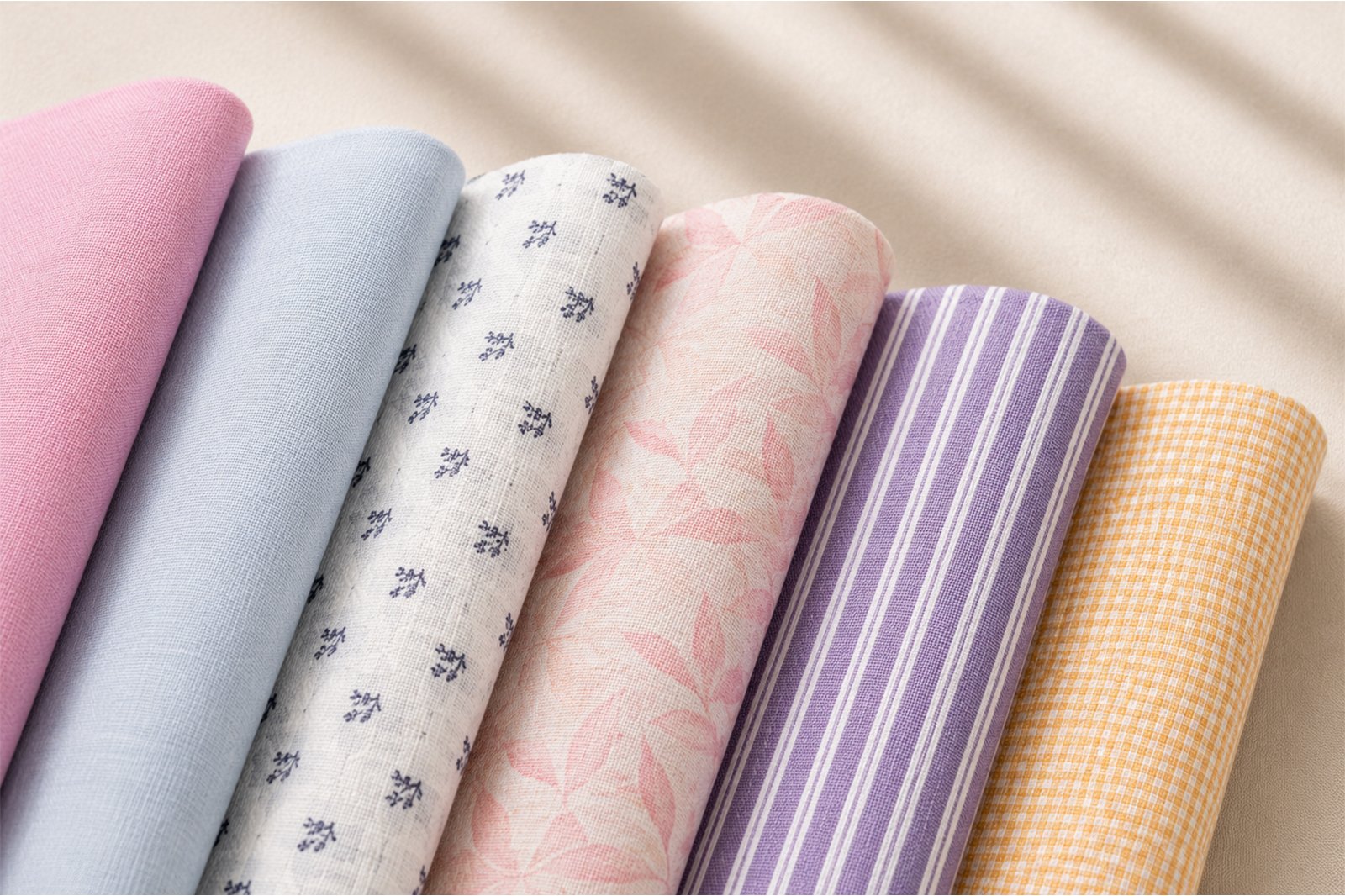
For years, smooth cotton fabrics dominated the shirting market. Clean weaves, crisp finishes and plain surfaces became the standard choice for formal shirts, uniforms and everyday business wear. They offered versatility and consistency, making them an easy option for manufacturers and retailers alike.
The market looks different today. Buyers are looking for fabrics that offer more than a neat appearance. They want materials with character, depth and a distinctive finish. This shift has pushed textured shirting fabrics into the spotlight.
From premium cotton dobbies to linen blends with natural slubs, texture has become an important part of modern shirting collections. It gives garments a more refined appearance without relying on bold prints or loud colours.
Why Texture Is Becoming More Important
Fashion trends continue to move towards understated styling. Instead of large patterns or bright colours, many brands now focus on fabrics that create interest through their surface.
A textured fabric changes the way light falls across the material. It creates subtle variation that makes a shirt look more premium while keeping the overall design clean and wearable.
This is particularly valuable for brands that want timeless collections instead of seasonal trends.
Textured fabrics also offer greater visual appeal when displayed in stores or photographed for online catalogues. Small details become easier to notice, helping products stand out without appearing excessive.
Cotton Remains The Foundation
Cotton continues to be the preferred fibre for premium shirting because it combines comfort, durability and breathability.
Modern weaving techniques allow manufacturers to create texture without losing the qualities that make cotton so popular. Different weave structures produce unique finishes while maintaining softness and ease of wear.
Some popular textured cotton fabrics include:
- Oxford weaves
- Dobby fabrics
- Fil-à-fil fabrics
- Pinpoint Oxford
- Basket weaves
- Chambray
Each weave offers a different appearance while remaining suitable for everyday shirts.
For retailers, these fabrics create greater variety within a collection without introducing entirely new fabric categories.
Linen Adds Natural Character
Linen has become increasingly popular alongside cotton, especially in warmer climates.
Unlike perfectly smooth fabrics, linen naturally contains small irregularities within the yarn. These create an organic texture that many customers actively seek.
Cotton linen blends have also become a favourite choice because they combine the softness of cotton with the distinctive appearance of linen. The result is a fabric that feels comfortable while offering a more relaxed and premium finish.
As more consumers look for breathable clothing, cotton linen fabrics continue to gain attention across both casual and smart casual collections.
Texture Creates Value Without Adding Complexity
One of the biggest advantages of textured fabrics is that they make simple shirt designs look more sophisticated.
A plain white shirt in a dobby weave carries more visual interest than a completely flat plain weave. The design remains versatile enough for formal wear while offering greater depth and refinement.
This allows brands to expand their collections without introducing complicated prints or additional design elements.
For manufacturers, this approach also simplifies production because the fabric itself becomes the defining feature of the garment.
Customers Are Paying Closer Attention To Fabric
Today’s buyers are becoming more aware of fabric construction. Many now look beyond colour and fit before making a purchase.
Texture often influences how customers perceive quality. A shirt with visible weave detail can feel more premium even before it is touched.
Online shopping has also contributed to this trend. Product photography captures textured fabrics exceptionally well, allowing shoppers to appreciate weave details through images alone.
As digital buying continues to grow, fabrics that photograph well provide an additional advantage for fashion brands.
The Role Of Colour In Textured Fabrics
Texture works particularly well with solid colours.
Rather than depending on prints, the weave itself creates movement across the fabric. This allows colours to appear richer and more dynamic.
Shades such as white, sky blue, olive, beige, charcoal and navy become more interesting when woven into textured structures.
This approach gives designers greater flexibility while keeping collections cohesive.
Choosing The Right Textured Fabric
Not every textured fabric suits every collection. The right choice depends on the intended customer, season and garment style.
When selecting cotton shirting fabric, buyers should consider:
- The weave structure and its visual appearance
- Fabric weight for seasonal suitability
- Breathability and comfort
- Ease of cutting and stitching
- Colour consistency across production batches
- Availability for repeat orders
Working with an experienced fabric supplier also ensures access to consistent quality and dependable stock availability.
Why Retailers Are Expanding Textured Collections
Many retailers now dedicate a larger portion of their shirting collections to textured fabrics because they offer greater merchandising flexibility.
Several textured fabrics can be displayed together while maintaining a cohesive appearance. Customers see variety without feeling overwhelmed by excessive patterns.
This also helps brands create collections that remain relevant beyond a single season.
Instead of following short-lived fashion cycles, textured cotton and linen fabrics offer long-term commercial value.
The Future Of Shirting Fabrics
Texture is no longer viewed as a niche feature. It has become part of mainstream shirting design.
As consumers continue to value craftsmanship, comfort and understated style, textured fabrics are likely to become an even larger part of premium shirt collections.
Cotton, linen and innovative weave constructions will continue to shape how brands develop fabrics that balance performance with visual appeal.
Source Premium Textured Shirting Fabrics With Cirocco Fabrics
At Cirocco Fabrics, we understand that great shirting begins with exceptional fabric. Our collection includes premium cotton shirting fabrics, linen fabrics and textured weaves designed for brands, retailers and garment manufacturers looking for quality, consistency and variety.
With more than 3,000 fabric designs, over 200 new developments every month and ready goods available for quick dispatch, we help businesses build collections that meet changing market demand with confidence. Whether you are sourcing classic cotton fabrics or modern textured weaves, Cirocco Fabrics offers reliable solutions backed by decades of expertise.
FAQ
Which textured fabric is best for everyday shirts?
The best choice depends on the purpose of the shirt. Oxford and dobby cotton fabrics are popular for everyday wear because they offer durability, comfort and a refined appearance. Cotton linen blends are ideal for warmer weather and smart casual shirts thanks to their breathable and lightweight feel.
Are textured shirting fabrics suitable for formal wear?
Yes. Many textured fabrics, such as pinpoint Oxford and fine dobby weaves, are widely used for formal shirts. They add subtle depth to the fabric while maintaining a polished and professional look.
Why should brands source textured fabrics from an experienced fabric supplier?
An experienced fabric supplier provides consistent quality, reliable stock availability and access to a wider range of weave structures and finishes. This helps brands maintain product quality across collections and reorder the same fabrics whenever needed.