

When Did Loungewear Become Fashion in India?
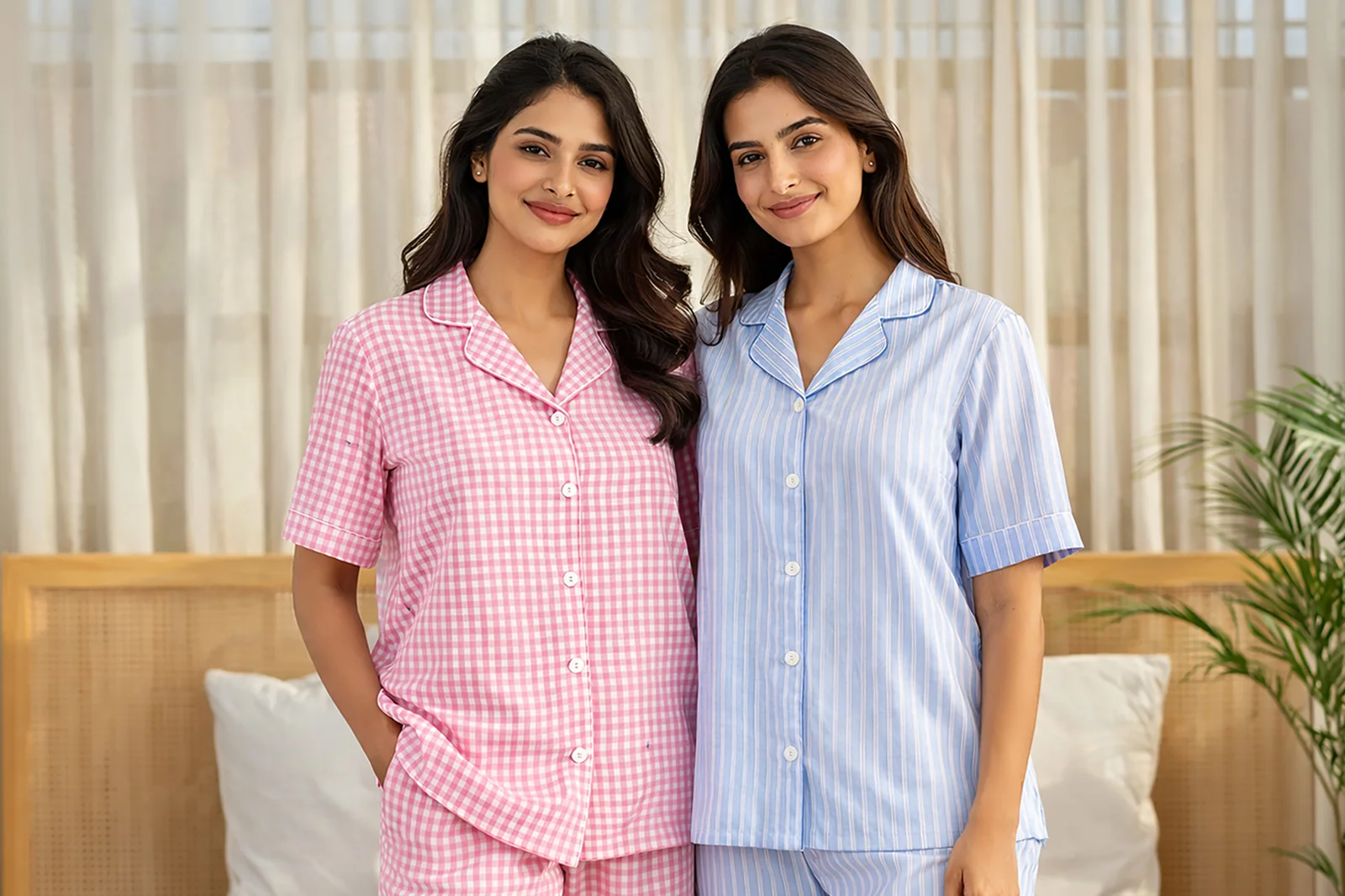
There was a time when loungewear in India had a very clear role. It was what you changed into at the end of the day. Soft cotton sets. Printed night suits. Comfortable, functional, private. It belonged inside the home. Fashion lived elsewhere. So when did that change? When did loungewear move from being something you slept in to something you styled? The shift did not happen overnight. It happened gradually, then suddenly. For years, comfort and fashion were treated as separate conversations. One was practical. The other was expressive. But somewhere along the way, Indian consumers began expecting both at the same time. They wanted clothes that felt easy but looked intentional. They wanted silhouettes that relaxed without losing shape. They wanted softness that held structure. The category began to evolve. The Moment Comfort Became Visible A major turning point came during the work-from-home years. The boundary between inside and outside started to blur. Meetings happened on screens. Social interaction shifted to digital spaces. Clothing was still being seen, even if it was being worn at home. Coordinated lounge sets started replacing old nightwear patterns. Neutrals became more refined. Cuts became cleaner. Waistbands sat better. Sleeves were designed with proportion in mind. Brands began to realise something important. Loungewear was no longer a side category. It was a primary wardrobe decision. And when that shift happened, fabric stopped being a background detail. It became central. From Soft to Structured Early nightwear could rely on basic cotton constructions. The expectation was simple. It had to feel soft and breathable. Durability mattered, but silhouette did not carry brand identity. Modern loungewear changed that equation. Today, a lounge set must: Fall well on the body Maintain shape after multiple washes Resist pilling Offer stretch without losing recovery Hold colour consistency across batches Feel premium against the skin These are not surface qualities. They are technical outcomes. A slight change in GSM can alter drape. A minor fibre blend adjustment can affect stretch memory. Dyeing precision influences repeatability when brands scale. What used to be a sourcing task became a structural decision. The Rise of Fabric Awareness Among Emerging Brands Emerging sleepwear and loungewear founders today understand fibre composition. They explore cotton blends, viscose constructions, stretch knits and printed developments with intention. The conversation has matured. But the real challenge appears when brands begin scaling. Sampling is one phase. Production is another. Colour lots must align. Shrinkage needs control. Stretch recovery must remain stable across batches. Print clarity must hold after washing. Small inconsistencies that go unnoticed in 100 pieces become visible in 10,000. From where we stand within the manufacturing ecosystem, this shift has been visible in real time. At Cirocco Fabrics, much of our work with emerging loungewear and sleepwear brands begins with these exact conversations. Not just about softness or pattern direction, but about how a fabric will behave over months of production. How it will scale. How will it maintain consistency? How will it support the brand’s positioning long term? Because creating loungewear and building a loungewear brand are two different journeys. Loungewear as a Lifestyle Category Today in India, loungewear is worn to run errands. It appears in travel wardrobes. It shows up in social media content. It is styled, photographed and positioned. The category carries identity. And identity is built on material choices as much as design direction. The consumer may not always articulate why one set feels better than another. But they recognise the difference. They notice how it drapes. How it ages. How it fits after five washes. How it holds its colour. Behind that experience is fabric engineering. As the category matured, so did the expectations placed on suppliers. It is no longer enough to deliver softness. Brands look for repeatability, technical clarity and partnership-level communication. They want someone who understands how fabric behaves beyond the first sample. Because loungewear today competes in a fashion space, not just a comfort space. So, When Did it Become Fashionable? Perhaps the better question is this: When did comfort begin demanding craftsmanship? The answer lies in the evolution of consumer behaviour, digital visibility and brand ambition in India. Once comfort stepped into the spotlight, it had to perform. It had to look considered. It had to last. And that is when fabric became strategic. For emerging brands building in this space, the shift offers both opportunity and responsibility. The opportunity lies in a category that continues to grow. The responsibility lies in choosing materials and manufacturing partners who understand that loungewear is no longer secondary. It is visible. It is expressive. It is technical. Loungewear became fashion when fabric stopped being an afterthought and started becoming the foundation. And in many ways, that transformation is still unfolding. FAQ
How to Identify Quality Fabric for Shirts
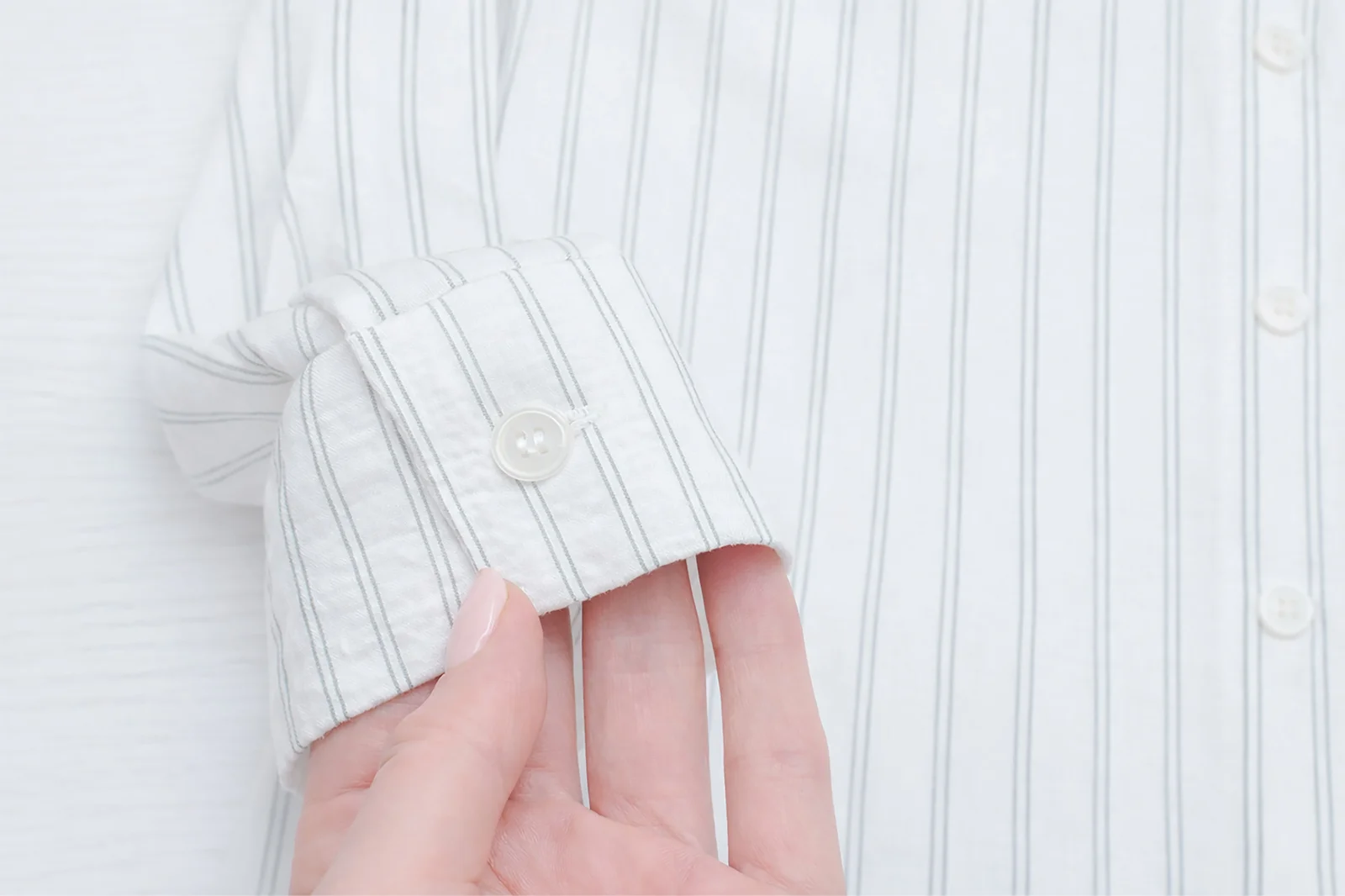
A good shirt always begins with good fabric. Before colour, before style, before brand name. If the fabric is poor, the shirt will show it within a few washes. If the fabric is well made, it holds its shape, feels comfortable on the skin, and ages gracefully. The challenge is that quality is not always obvious at first glance. Retail lighting, packaging, and clever marketing can distract you. So instead of guessing, it helps to follow a simple step by step method that works whether you are buying from a premium store or a local market. Here is how you can check shirt fabric like someone who knows what they are doing. Step 1: Start with the Label The label is your first honest clue. Look for the fibre composition. For everyday shirts, 100% cotton is often a reliable starting point. Cotton blends can also be good, but the percentage matters. A shirt that says 60% polyester and 40% cotton will feel and behave very differently from one that is mostly cotton. Pay attention to the type of cotton if it is mentioned. Terms such as Egyptian cotton or Supima cotton usually indicate longer fibres, which often produce smoother and stronger yarn. Also check the care instructions. A well made fabric is usually designed to survive regular washing without losing its structure. If the label already warns about excessive shrinkage or delicate handling for a basic shirt, consider that a sign to inspect more closely. Step 2: Feel the Fabric Properly Touch still conveys more than any marketing copy. Run the fabric through your fingers. High-quality fabric feels smooth, consistent, and firm without being stiff. It should not feel too thin or papery, unless the shirt is intended to be lightweight summer wear. Now, gently rub the surface. If you notice excessive fuzz or roughness before purchasing the shirt, it may begin to pill after a few washes. Also, try the crease test. Hold a small section in your fist for a few seconds before releasing it. Better shirt fabric recovers quickly and doesn’t hold deep wrinkles. Step 3: Hold It Up to the Light This is a simple trick that experienced buyers use often. Hold the shirt against a light source and observe the weave. The fabric should look even and tightly constructed. If you see irregular gaps or inconsistent thickness, the yarn quality or weaving process may be poor. A very transparent shirt when it is not designed to be lightweight usually means the threads are too thin or loosely woven.That often leads to quicker wear and tear. Step 4: Check the Weave Type Different weaves affect how the shirt behaves. Poplin, for example, has a smooth, tight weave and works well for formal shirts. Oxford cloth feels slightly thicker and more textured, making it suitable for everyday use. Twill fabrics show a faint diagonal pattern and often resist wrinkles better. You do not need to memorise textile science. Just understand that the weave should look consistent and feel appropriate for the purpose of the shirt. If a formal shirt feels overly coarse or an everyday shirt feels fragile, something is off. Step 5: Examine the Stitching Around the Fabric Even the best fabric can be ruined by poor craftsmanship. Look closely at the seams. Stitches should be straight, evenly spaced, and tight. Loose threads or uneven stitching are common indicators of rushed manufacturing. High-quality shirts typically have a higher stitch count per inch. You don’t have to count every stitch, but you can compare two shirts side by side to see which one appears cleaner and more precise. Check stress points such as the collar, cuffs, and side seams. These sections demonstrate how well the fabric was handled during production. Step 6: Look Into the Fabric Manufacturer or Brand History Reputation still matters. If the manufacturer has been producing shirts for many years, there is usually a reason. Established textile mills and brands often maintain consistent standards because their name depends on it. You do not need to spend hours researching. A quick look at the brand’s background, where the fabric is sourced from, and whether they specialise in shirts can give useful context. A brand that openly shares information about its mills or sourcing practices tends to be more confident about its product. Step 7: Check Weight Without Overthinking It Fabric weight influences both durability and comfort. A very lightweight shirt is ideal for humid weather, but it should still feel strong when held. If the material feels flimsy or weak, it might not last long. In contrast, a heavier shirt should not feel rigid or uncomfortable. Good shirt fabrics strike a balance between structure and comfort. Simply hold the shirt by the shoulders and allow it to fall naturally. Quality fabric usually drapes nicely rather than hanging awkwardly. Step 8: Trust Your Second Impression After you go through all these checks, step back and look at the shirt again. Does it still feel well made? Does the fabric look consistent across panels? Does it feel like something that will improve with wear rather than deteriorate? Often your second look is more accurate than your first reaction. Final Thought Identifying quality fabric is less about memorising technical terms and more about building a habit of observation. Read the label, feel the material, study the weave, and notice the finishing. With a bit of practice, you will start spotting a well made shirt within seconds. In the end, good fabric respects your time and money. It lasts longer, looks sharper, and becomes more comfortable the more you wear it. That is always worth the extra attention at the start. FAQ
What Actually Makes a Fabric Moisture Wicking? How Fibre, Construction and Finishes Control Moisture Management
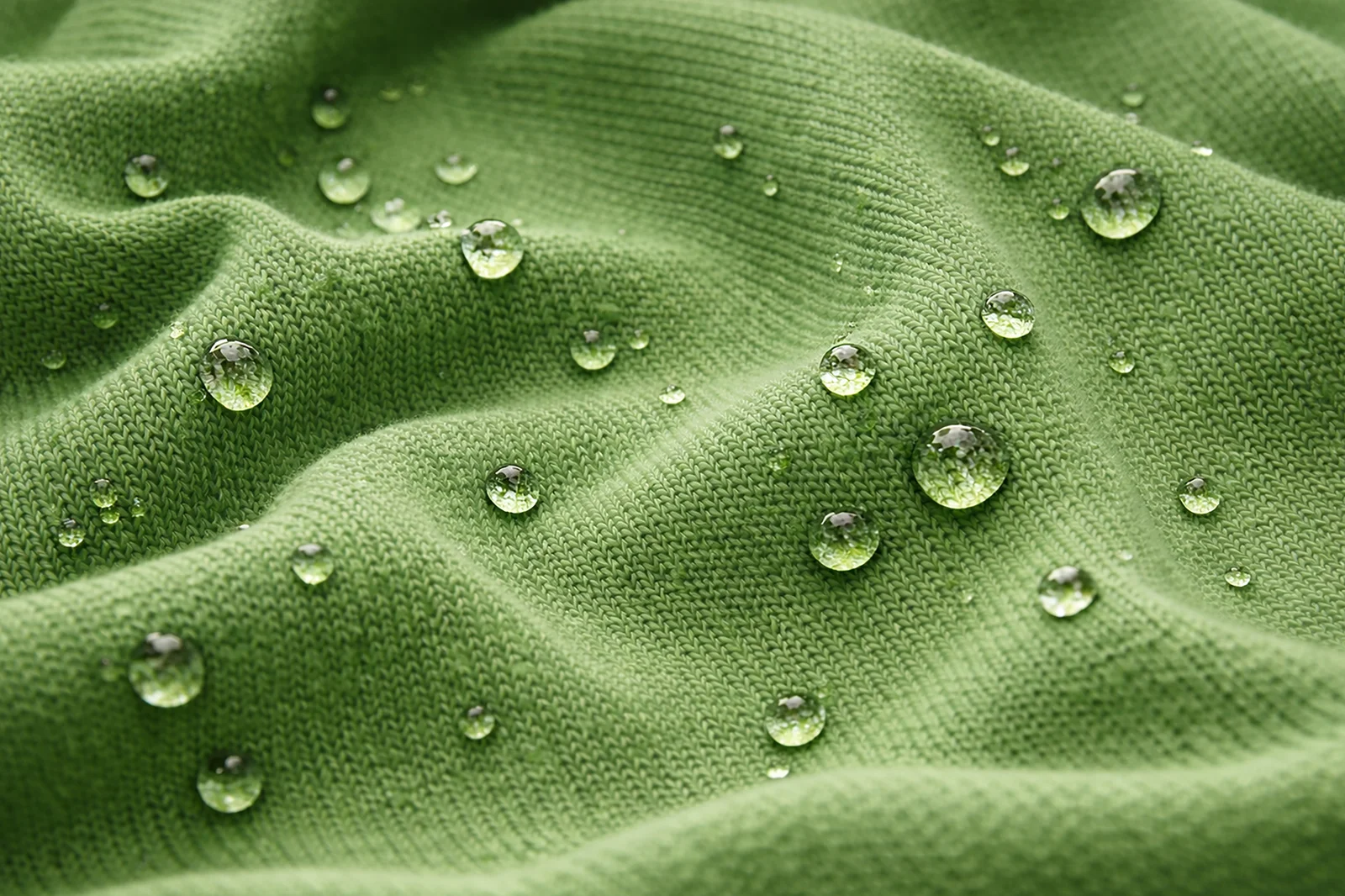
Sweat management is one of the most studied performance areas in modern textile engineering. Comfort in sportswear, workwear and technical apparel depends less on thickness or softness and more on how effectively a fabric handles moisture. Many materials are labelled as moisture wicking. Yet not all moisture wicking fabric performs in the same way. The difference lies in fibre chemistry, fabric construction and finishing technology. Together, these elements determine how moisture moves, spreads and evaporates. Understanding moisture management in textiles requires looking beyond surface claims and examining how fabrics are engineered at a structural level. Understanding Moisture Movement at the Fibre Level At its core, moisture wicking is about controlled liquid transport. When the body perspires, sweat forms on the skin surface. For comfort, this moisture must move away from the skin and disperse across a larger area where it can evaporate. This movement is influenced by the chemical nature of the fibre. Fibres can be broadly categorised as hydrophilic or hydrophobic. Hydrophilic fibres such as cotton absorb moisture into their structure. They hold water within the fibre itself. This can create a damp sensation because evaporation slows once the fibre becomes saturated. Hydrophobic fibres such as polyester resist absorbing water. Instead of retaining moisture internally, they encourage liquid to travel along the surface of the fibre. This surface movement supports faster spreading and evaporation, which is central to moisture wicking performance. Surface energy and capillary action play a significant role here. Capillary action allows liquid to move through narrow spaces without an external force. In moisture management in textiles, this principle enables sweat to travel through yarn channels and across fabric surfaces. The fibre’s inherent chemistry sets the foundation for performance. Fibre Cross Section and Engineered Performance Modern moisture wicking fabric rarely relies on raw material alone. Fibre geometry is carefully engineered to enhance liquid transport. Traditional fibres often have a round cross section. Engineered performance fibres may feature trilobal, hollow or multi channel cross sections. These shapes increase surface area and create microscopic pathways that promote capillary action. Multi channel polyester fibres, for example, contain grooves that draw moisture outward from the skin side of the fabric to the outer surface. The increased surface area accelerates evaporation. Microfibres further enhance this effect. Their extremely fine diameter increases the number of capillary spaces within the yarn. This allows moisture to disperse more evenly and dry more quickly. In this way, fibre engineering becomes a critical driver of moisture management in textiles. Fabric Construction: Knit, Weave and Airflow Dynamics Even with similar fibres, fabric structure can drastically affect performance. Knitted fabrics are often utilised in moisture wicking applications because of their looped structure, which produces natural porosity. This increases ventilation and allows moisture vapour to leave more efficiently. Structures like mesh and pique improve airflow and surface exposure. These structures facilitate quick evaporation by increasing the region over which moisture can spread. Woven fabrics, by contrast, tend to have tighter interlacements. They can still achieve effective moisture management in textiles, but the design must balance density with breathability. Yarn thickness, fabric weight and stitch density all influence how quickly moisture travels and how readily it evaporates. A heavier fabric may absorb more liquid, yet it may also require longer drying time. Construction therefore acts as a performance multiplier or limiter depending on how it is engineered. The Role of Textile Finishes in Moisture Management In many cases, moisture wicking properties are enhanced through finishing treatments applied after fabric formation. Hydrophilic finishes can be added to synthetic fibres to improve their ability to spread moisture across the surface. These finishes reduce surface tension, encouraging liquid to move rather than bead. Some treatments are durable and bonded at a molecular level. Others may gradually diminish after repeated laundering. Durability is an important consideration in assessing long term moisture management in textiles. Chemical finishes can also be combined with mechanical treatments that modify surface texture. Together, these processes optimise liquid transport and evaporation behaviour. However, finishes should complement the fibre and construction. They cannot fully compensate for poor structural design. Why Don’t All Moisture Wicking Fabrics Perform the Same The term moisture wicking is often used, yet performance varies greatly. Some fabrics predominantly absorb moisture. Others transfer it efficiently, but if airflow is restricted, it may not evaporate as quickly. True performance is determined by the balance of absorption, spreading and drying rate. Environmental factors also influence the outcomes. Humidity, temperature and air movement all influence evaporation speed. A fabric that works well in dry weather may react differently in a humid environment. Standardised testing aids in distinguishing performance levels. Vertical wicking tests determine how far liquid moves in a given period. Drop tests assess absorption speed. The drying time assessment determines how quickly a saturated fabric returns to a comfortable state. These quantitative characteristics enable a more objective assessment of moisture wicking fabric performance. Designing for End Use and Performance Demands Moisture management in textiles must align with end use. High intensity sportswear demands rapid transport and evaporation under heavy perspiration. Workwear may prioritise durability alongside consistent moisture control. Outdoor garments must balance sweat management with thermal insulation. Climate also plays a role. In warmer regions, lightweight and highly breathable constructions enhance comfort. In cooler environments, moisture transport must occur without excessive heat loss. Effective design considers fibre selection, structural engineering and finishing strategy as an integrated system. Conclusion Moisture wicking is not a single property applied to a fabric. It is the outcome of coordinated engineering at multiple levels. Fibre chemistry governs how moisture interacts with the material. Cross sectional design enhances capillary movement. Fabric construction controls airflow and dispersion. Finishes refine and optimise surface behaviour. Together, these elements define the true performance of moisture wicking fabric and shape the broader field of moisture management in textiles. Understanding these variables allows manufacturers, designers and technical buyers to move beyond generic claims and evaluate fabrics based on measurable performance principles. FAQ
Lines That Speak: The Hidden Language of Stripes in Fabric Design
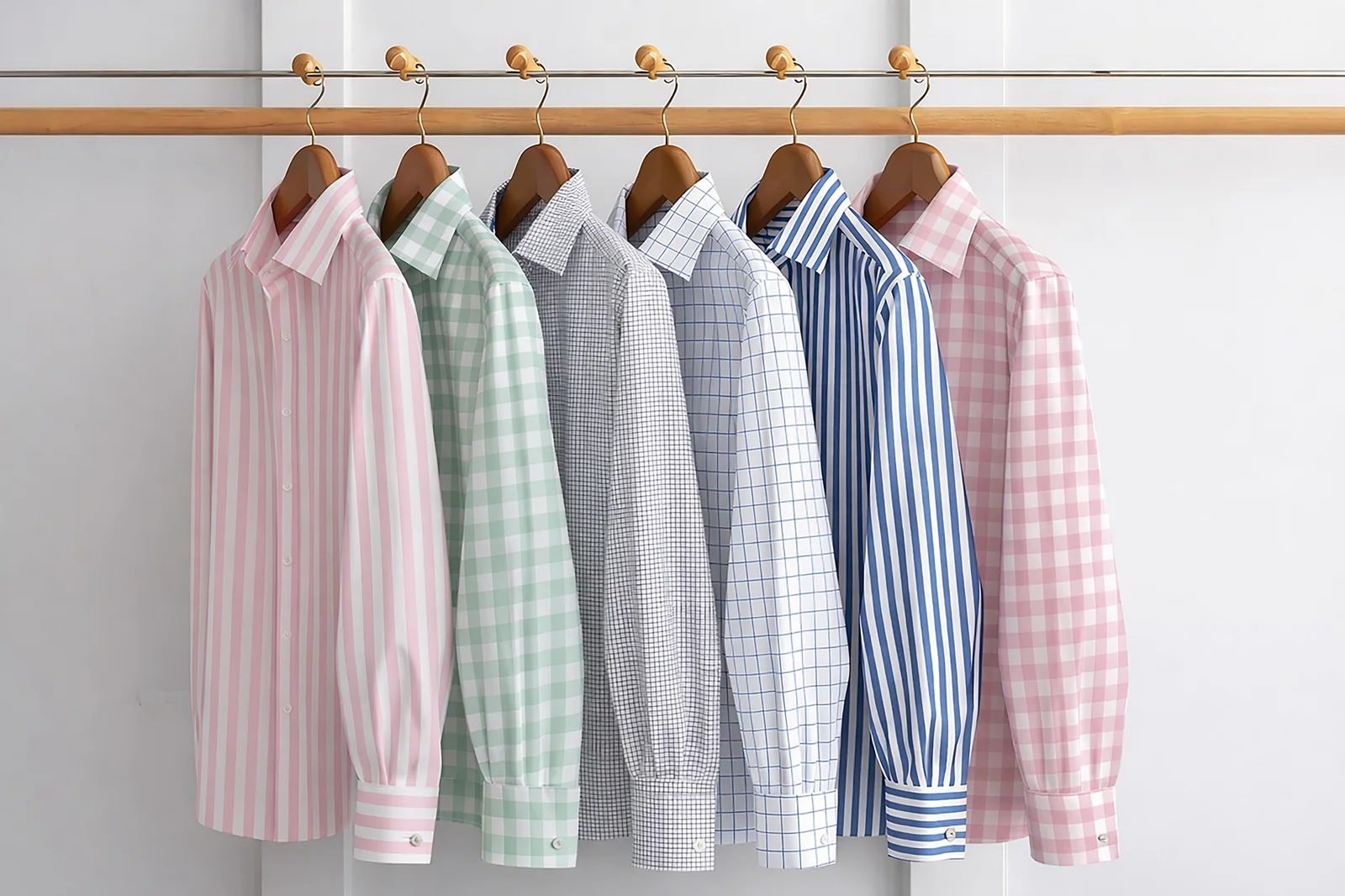
Stripes have followed clothing for centuries, moving across cultures, classes and uses. They appear simple, yet they carry meaning shaped by history, craft and context. A stripe can guide the eye, frame the body or signal identity. In fabric design, lines create rhythm. They also shape how a garment feels, wears and endures. Striped fabric holds a quiet authority. It works across tailoring, workwear, uniforms and leisure clothing. Each arrangement of lines brings its own logic. Some stripes impose order. Others suggest ease. This language of lines remains consistent even as fashion changes. This article looks closely at how different stripe types function in fabric design. Each section focuses on construction, history and visual effect. The aim is clarity rather than spectacle. Stripes reward attention. The Structure and Purpose of Stripes A stripe forms when contrast repeats at regular intervals. The contrast may come from colour, weave, yarn count or texture. In woven cloth, stripes usually run along the warp or weft. In knits, they emerge through yarn changes within the loop structure. Designers use stripes to control balance. Narrow lines compress space. Wider bands slow the eye. Regular spacing brings calm. Irregular spacing introduces tension. These choices affect how a garment reads from a distance and how it feels up close. Throughout history, stripes carried social meaning. In medieval Europe, striped clothing marked outsiders such as servants and entertainers. By the nineteenth century, the same pattern moved into respectable menswear and naval uniforms. Industrial weaving allowed precision, which gave stripes a sense of order and discipline. Horizontal Stripes Horizontal stripes run parallel to the ground. They stretch across the body and emphasise width. This effect depends on spacing, colour contrast and fabric weight. Thin bands with low contrast appear subtle. Bold bands draw attention. In knitwear, horizontal stripes often appear in jerseys and sweaters. The structure of the knit softens the line. This gives comfort and ease. In woven cloth, the same stripes feel sharper and more graphic. Sailors wore these stripes for practical reasons. The pattern made a person easier to spot against the sea. Over time, the look became tied to leisure and coastal life. Designers adopted it for casual clothing, beachwear and sportswear. Horizontal stripes suit garments that value movement and ease. T shirts, polos and lightweight jumpers use them well. The line repeats across the torso and creates a steady visual beat. This pattern works best when fabric quality supports clean edges and consistent colour. Vertical Stripes Vertical stripes rise from hem to shoulder. They lengthen the figure and guide the eye upward. This makes them a mainstay of tailoring. Trousers, suits and shirts rely on this structure to create shape. In woven striped fabric, these lines align with the warp. This gives strength and clarity. High yarn tension keeps the stripe crisp. Wool, cotton poplin and worsted blends handle this form well. Vertical stripes also signal authority. Bankers, lawyers and civil servants adopted them during the rise of the modern suit. The pattern suggested discipline and reliability. Even today, the association remains strong. Designers control impact through width and spacing. Close lines feel formal. Wider spacing relaxes the look. Colour choice matters as well. Dark ground colours with light lines feel traditional. Reversed palettes feel modern. Pinstripes Pinstripes represent restraint. They consist of very thin vertical lines set against a solid ground. The spacing often measures several centimetres, which gives breathing room to the cloth. This stripe emerged with industrial weaving. Fine yarn control allowed consistent, narrow lines. Tailors embraced the pattern for business suits. The look carried professionalism without excess. Pinstripes work best in wool suiting. The smooth surface keeps the line sharp. In cotton shirting, the effect becomes lighter and less formal. The stripe still reads as ordered but feels more relaxed. The appeal lies in detail. From a distance, the fabric reads as solid. Up close, the lines reveal themselves. This quiet complexity suits formal wear and uniforms. Pinstripes reward close inspection and careful construction. The Breton Stripe The Breton stripe has a clear origin. It entered French naval uniforms in the nineteenth century. The pattern followed strict rules, with dark blue bands on a white ground. Each band held symbolic meaning tied to naval victories. This stripe moved from uniform to civilian wear through artists and writers. Painters wore it for its clarity and ease. The look became linked to creative life and coastal freedom. In jersey knit, the Breton stripe feels soft and flexible. The knit structure allows the line to move with the body. This makes it ideal for tops and dresses. The pattern keeps balance even when worn loose. Designers respect its proportions. Altering the bandwidth or colour shifts the meaning. Traditional versions feel grounded. Modern versions play with scale while keeping the essential rhythm intact. Stripes in Woven and Knit Fabrics The method of construction shapes how stripes behave. In woven cloth, the line stays fixed. The yarns cross at right angles and hold tension. This gives clarity and durability. In knit striped fabric, loops create stretch. The stripe bends with movement. This suits casual garments and active wear. Colour transitions appear softer because yarns blend at the loop edges. Fabric weight also matters. Heavy cloth supports bold stripes. Light cloth suits fine lines. Designers balance stripe scale with fabric purpose to avoid distortion during wear. Dyeing methods influence colour depth. Yarn dyed stripes offer consistency. Piece dyed stripes risk uneven edges. High quality cloth relies on careful dye control to maintain line integrity. Cultural Meaning and Modern Use Stripes continue to signal identity. Sports teams use them for recognition. Schools use them in uniforms. Designers use them to reference history or place. Modern fashion often mixes stripe types within one garment. Panels combine directions to create contrast. This approach requires precision to avoid visual noise. Clean construction keeps the design readable. Sustainability also shapes current practice. Designers reuse classic stripe layouts to reduce waste and trend churn. Timeless patterns support longer garment life. The stripe endures because it adapts. It carries memory while remaining practical. This balance keeps it relevant. Why Stripes Endure A stripe provides structure without rigidity. It allows for variation within an order. This quality is appropriate for clothing that must serve both the body and the eyes. Striped fabric remains popular because it communicates visually. The line communicates through space, direction and contrast. Each choice has meaning, which the wearer absorbs, often without thinking. Stripes continue to mark time and place on workwear, art studios, ships and city streets. They remain one of the most versatile
What Is Textile Design in Modern Fabric Manufacturing

Everyone has experienced that unmistakable moment, even if they can’t quite put it into words. You find yourself holding two shirts that look nearly identical – same colour, same pattern, and almost identical price tags. Yet, the moment one of them touches your skin, you know instantly it’s the right choice, while the other feels… off. That subtle but significant difference? It’s no accident. It’s the meticulous craft of textile design at work. In the world of fabric manufacturing, there’s a common misconception that textile design is merely about surface decoration. Sure, patterns and colours are important, but they represent only the surface of a much richer, deeper process. Today, textile design is at the crossroads of creativity and precision. It’s a world where smart decisions shape how a cloth performs and feels long after it leaves the loom. Textile Design Begins Before Anything Is Seen Long before a pattern is drawn or a colour is chosen, textile design starts with questions that are practical rather than artistic. Who will wear this fabric? In what climate? How often? For how long? And under what expectations of comfort and care. A shirt fabric meant for daily wear in a warm city must breathe differently from one designed for occasional use in cooler conditions. A fabric intended for tailoring needs to be predictable. It must shrink in a known way, cut cleanly, and respond well to pressing. These considerations shape the design long before the first visual element appears. This is why experienced textile designers speak less about trends and more about behaviour. Fabric, after all, lives with the wearer. It creases, softens, stretches, and ages. Good design anticipates all of this. Fibre Choice Is the First Design Decision The character of any fabric is set at the fibre level. Designers who work closely with manufacturing understand that raw material is not a neutral starting point. It actively defines what is possible. Long staple cottons, such as Egyptian or Supima varieties, behave differently from shorter staple fibres. They can be spun into finer, stronger yarns with smoother surfaces. This affects everything that follows. Colours appear clearer. The fabric feels softer against the skin. Durability improves without adding weight. Linen brings its own logic. Breathable, textured, and slightly irregular, it demands a different approach to weaving and finishing. Even before a weave is selected, the designer already knows how the fabric will speak. In modern textile design, choosing fibre is not a sourcing exercise. It is a creative commitment. Yarn Is Where Design Gains Precision Fibre plays a crucial role in setting the overall tone of a fabric, while yarn is essential for introducing control over its properties. The methods of spinning, twisting, and combining fibres directly affect the strength, smoothness, and flexibility of the final product. For instance, a two-ply yarn provides enhanced stability and resilience, whereas a finer single-ply yarn offers a lightweight and delicate feel but requires more careful construction to maintain its integrity. In the context of fabric manufacturing, thread count is often touted in marketing but serves as a critical design tool. Higher thread counts enable the creation of refined surfaces and intricate structures, but this is only possible when the yarn quality is sufficient to support them. If the yarn quality is poor, the fabric’s overall integrity may suffer. Designers who work in contemporary manufacturing environments have a deep understanding of these limitations. They approach fabric design with an awareness of these parameters, resulting in textiles that feel thoughtfully crafted rather than artificially imposed. Weave Is Where Design Becomes Physical The weave is where textile design moves from theory into touch. Two fabrics made from the same yarn can feel entirely different depending on how those yarns are interlaced. Plain weaves offer clarity and crispness. Twills introduce softness and diagonal movement. Dobby constructions add subtle texture that reveals itself slowly. Jacquards allow patterns to exist within the fabric itself rather than sitting on the surface. Each structure changes how light interacts with the cloth. It affects drape, breathability, and resistance to wear. In shirting, weave selection often determines whether a fabric feels formal or relaxed, sharp or forgiving. Modern textile design treats weave as language. It communicates without decoration. Colour Is Where Design Meets Restraint Colour is perhaps the most emotionally charged aspect of textile design, yet it is also one of the most technical. The same shade behaves differently depending on fibre type, yarn structure, and weave density. Designers must consider how dye penetrates the yarn, how it settles after washing, and how it ages over time. A colour that looks striking on a small sample must remain stable across production and use. Otherwise, it fails in practice. Yarn dyed fabrics allow patterns with definition and longevity. Piece dyed fabrics offer uniformity and depth. Digital printing introduces freedom but demands careful calibration. Each method carries implications that extend far beyond appearance. In modern manufacturing, colour decisions are made with humility. They respect the material rather than attempt to overpower it. Finishing Is Part of the Design, Not the End of It After the intricate processes of weaving and dyeing, fabric enters a crucial phase often overlooked by those outside the textile world: finishing. This is where the magic happens. Finishing transforms fabric into something truly special, enhancing its comfort, performance, and longevity. Imagine a shirt that’s not just beautiful but also feels fantastic against your skin. Treatments like pre-shrinking, softening, and wrinkle resistance are essential to how fabric behaves in our everyday lives. A well-finished fabric doesn’t just drape elegantly; it moves with your body, withstands the rigours of washing, and maintains its structure beautifully over time. Designers who appreciate the art of finishing know it’s not merely about fixing flaws; it’s about completing the vision. It’s the final touch that brings a fabric to life, allowing it to fulfil its true potential. In this phase, what was once raw material becomes a refined masterpiece, ready for the world. Technology Has Changed How Design Is
How to Pick the Right Fabric for Men’s Summer Clothing
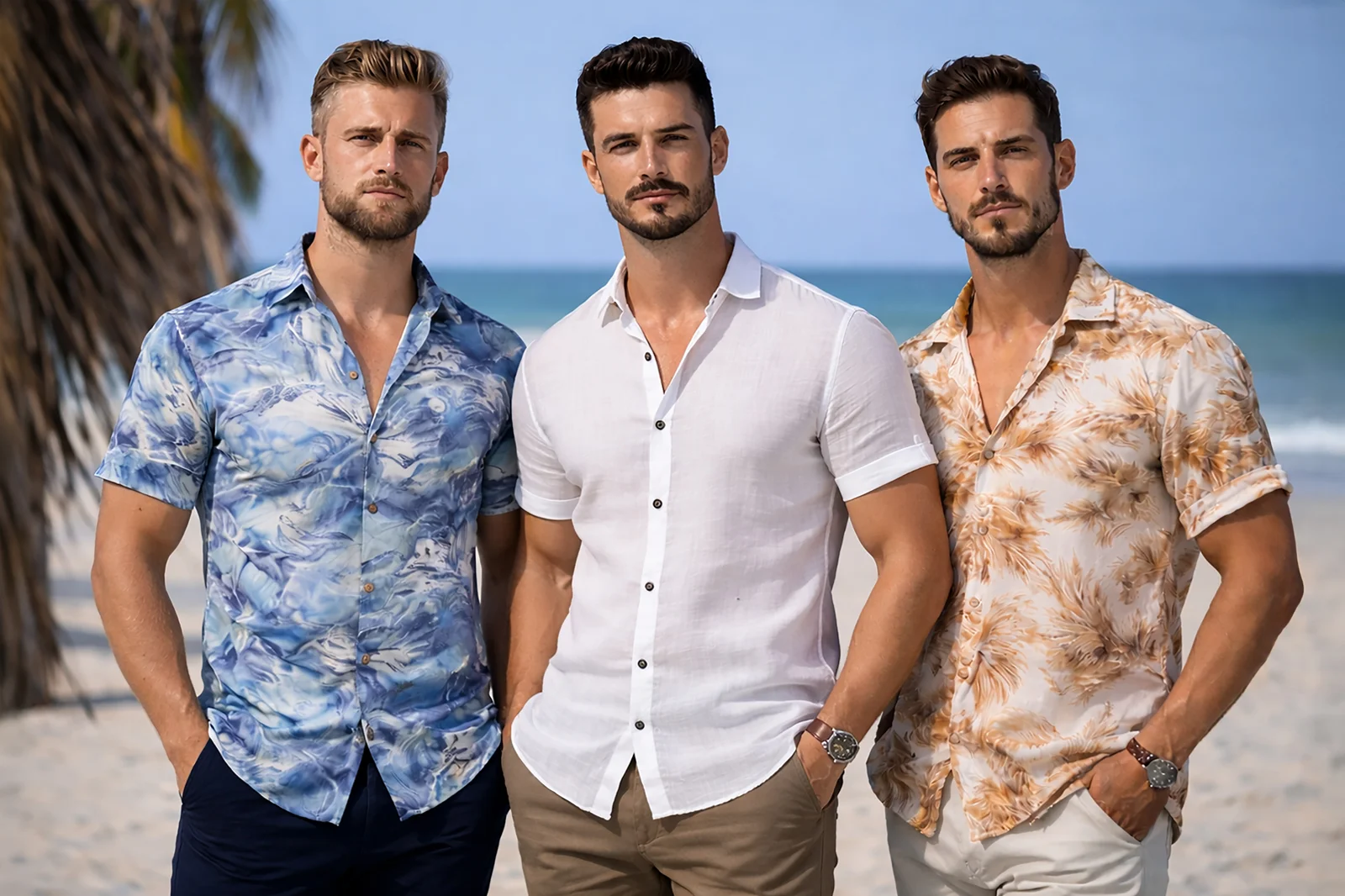
What is summer if not slow afternoon naps, the distant sound of cricket drifting through open windows, empty school corridors, the steady creak of a ceiling fan and bottles of cold water waiting in the fridge. Summer has its own rhythm. It softens the day. It stretches time. Even the busiest week feels slightly unhurried. Every day carries the ease of a Sunday morning, the kind the Commodores sang about. There is lightness in the air. There is space to breathe. And that is precisely how your clothes should feel. Summer clothing should never fight the season. It should move with it. When the heat settles in by noon, structure feels heavy and stiffness feels unnecessary. What you need is ease. Fabric that allows the body to breathe. Texture that sits gently on the skin. Cuts that feel intentional but relaxed. Choosing the right summer fabric is not about fashion cycles. It is about understanding how cloth behaves when the sun is in charge. The right material keeps you composed in meetings, comfortable at lunch and confident by evening. If summer feels like Sunday, your wardrobe should too. Start with fabric. Everything else follows. Why Fabric Matters More Than Colour in Summer Colour gets attention. Fabric earns respect. In high heat, the weave and fibre determine how your clothes breathe, drape and respond to movement. A well-cut shirt in the wrong material will cling and crease in the wrong places. A simple design in the right textile will carry you through meetings, lunches and late evenings with quiet confidence. When choosing fabric for summer, consider three things: Breathability Weight Texture against the skin Let us look at the fabrics that truly belong in a man’s summer wardrobe. Cotton Fabric: The Reliable Classic Cotton fabric remains the foundation of summer dressing for a reason. It is natural, breathable and easy to wear from morning until night. The fibres allow air to circulate, which helps regulate body temperature. Yet not all cotton is equal. Lightweight poplin feels crisp and polished. Oxford cloth offers structure for smart-casual settings. Voile and fine weaves feel almost weightless. Cotton works best when you want versatility. It adapts to office wear, weekend outings and evening dinners without much effort. How to Style Cotton in Summer Choose a tailored cotton shirt in pale blue or soft white for the office. Pair a lightweight cotton tee with well-cut chinos for relaxed weekends. Opt for cotton trousers in neutral shades such as stone or olive. Cotton is the quiet professional of summer clothing. It does its job well and never demands attention. Linen Fabric: Effortless and Assured If cotton is dependable, linen fabric is expressive. It carries character. The slight texture and natural creasing give it personality. Linen breathes exceptionally well because its fibres allow generous airflow. Yes, it wrinkles. That is part of its charm. The key is to wear it with intention. Linen looks best when the fit is clean and the colours are considered. A well-chosen linen piece communicates ease without carelessness. How to Style Linen in Summer Wear a white linen shirt with tailored beige trousers and brown loafers. Try a linen blazer over a simple cotton tee for evenings by the sea. Choose linen trousers with a structured shirt for a refined holiday look. Linen fabric suits men who appreciate subtle confidence. It does not shout. It suggests. Bamboo Fabric: Modern and Understated Bamboo fabric has gained attention in recent years and with good reason. It feels smooth, almost silky and sits lightly on the skin. It is particularly effective at managing moisture, making it ideal for humid climates. There is a softness to bamboo that feels contemporary. It drapes well and resists clinging, which keeps the silhouette clean even in warm weather. This is a fabric for men who value comfort but still expect polish. How to Style Bamboo in Summer Choose a bamboo polo shirt for smart-casual gatherings. Wear a bamboo blend tee under an unstructured blazer. Opt for bamboo undershirts to improve how outer layers sit. Bamboo fabric brings quiet innovation into summer clothing. It supports you without drawing attention to itself. Beyond the Basics: Fabrics That Elevate Your Wardrobe While cotton, linen fabric and bamboo fabric form the core of summer dressing, a refined wardrobe does not stop there. Consider lightweight wool for tailored trousers. High-twist wool can breathe remarkably well and holds shape beautifully. Seersucker introduces texture that lifts fabric off the skin. Blended fabrics can combine structure with airflow when chosen carefully. The goal is balance. Lightness with form. Comfort with intention. Fit and Structure: The Final Layer of Sophistication Even the finest summer fabric cannot rescue poor fit. Summer clothing should skim the body, not cling to it. Slight room in the chest and thigh allows air to move. Sleeves should sit cleanly at the shoulder. Trousers should fall neatly without excess pooling at the ankle. Choose unstructured jackets. Softer shoulders. Minimal lining. These small decisions make a visible difference in heat. Summer style is not about excess. It is about refinement through restraint. A Simple Rule for Choosing the Right Summer Fabric When you hold a garment, ask yourself: Does it feel light in the hand? Does it allow air to pass through? Does it move naturally when I move? If the answer is yes, you are on the right track. Summer rewards simplicity. A white linen shirt. A well-fitted cotton trouser. A bamboo polo for evenings. Good fabric does more than keep you cool. It shapes how you carry yourself. It allows you to move through long, sunlit days with calm assurance. Choose wisely and your summer clothing will do what great style always does. It will feel effortless and look intentional. FAQ
How Bamboo Cotton Is Evolving in Modern Clothing
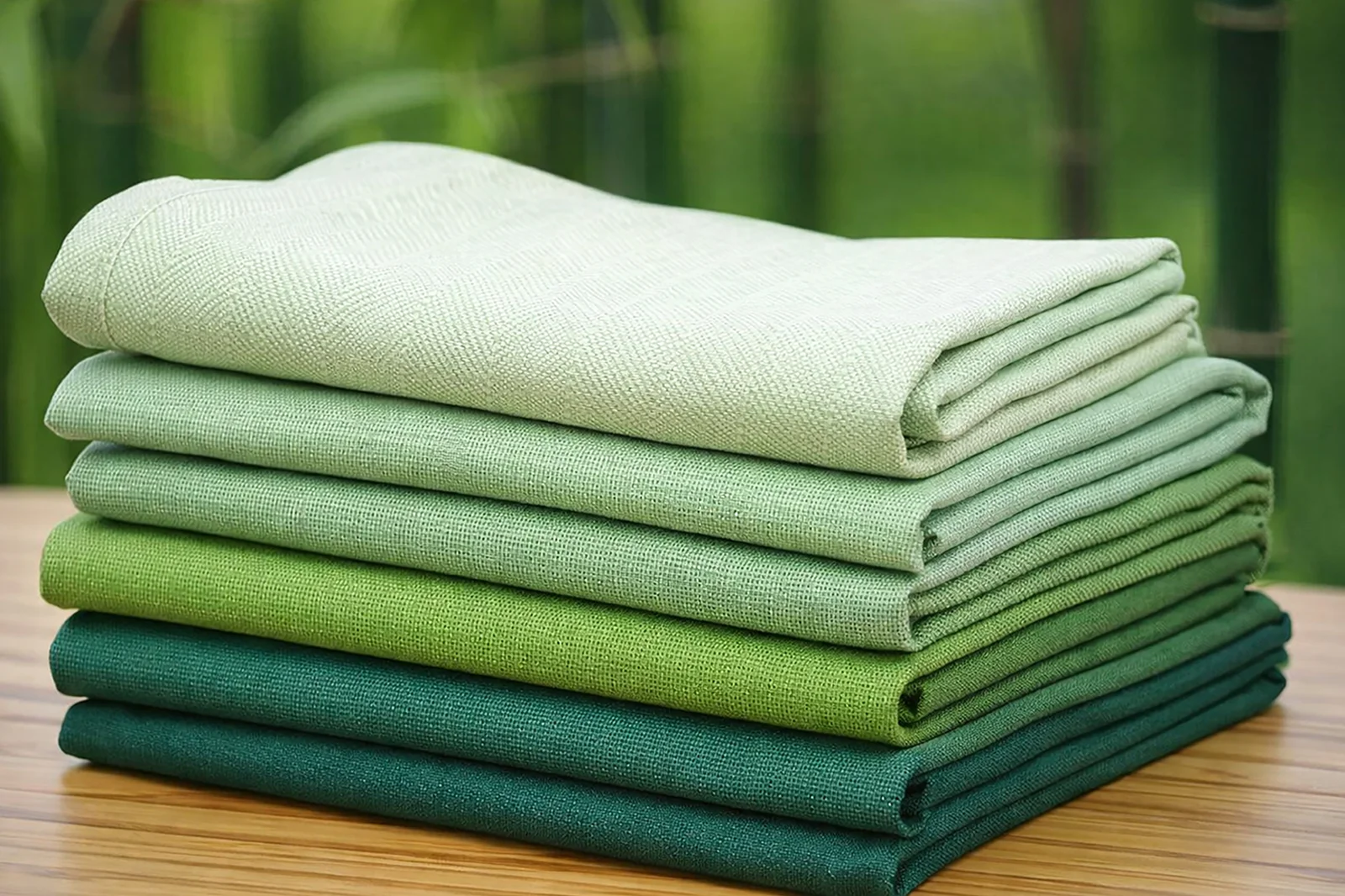
Materials rarely transform the fashion industry overnight. Change usually arrives quietly. It begins with experimentation, moves into small collections and eventually finds its way into everyday wardrobes. Bamboo cotton has followed that path. What started as a niche blend associated mainly with sustainability conversations has now developed into a serious fabric option across multiple clothing categories. Today, the conversation around bamboo cotton is less about newness and more about application. Brands are not asking whether it is viable. They are asking where it performs best and how it can strengthen their collections. What Is Bamboo Cotton? Bamboo cotton is a blended textile made by combining bamboo-derived regenerated fibre with natural cotton. The bamboo component is typically processed into viscose or a similar cellulose fibre before spinning. Once blended with cotton, the resulting yarn carries characteristics of both fibres. Cotton brings structure, familiarity and ease of manufacturing. Bamboo-derived fibre contributes smoothness, drape and moisture regulation. The proportion of each fibre can vary depending on the intended use. A higher cotton ratio may prioritise durability, while a higher bamboo content may enhance softness and fluidity. The result is a fabric that feels refined but remains practical to produce at scale. A Shift in How It Is Used Previously, bamboo cotton was frequently used in collections advertised exclusively for sustainability. While environmental factors remain important, the present trend is more technological. Designers and sourcing teams are increasingly assessing bamboo cotton based on measurable performance rather than marketing appeal. This shift has broadened its importance in clothing. Bamboo cotton is now used in a variety of products, including structured clothes, casual styles and performance-driven pieces. The growth has been moderate but consistent, fuelled by real-world wearability. Everyday T-Shirts and Modern Basics The most noticeable use of bamboo cotton today is in daily shirts. T-shirts made of bamboo cotton are popular because they have a smoother surface and softer hand feel than many traditional cotton alternatives. In warmer areas, breathability is critical. Bamboo cotton promotes ventilation and effectively absorbs moisture, resulting in greater comfort during long periods of wear. This is beneficial to brands that produce essential basics. Consumers frequently rate a T-shirt based on how it feels in the initial few seconds. The silky finish of bamboo cotton creates a great first impression. Long-sleeve tops, casual blouses and layered tees all followed the same trend. The combination works well with lightweight knits and jersey constructions, allowing companies to maintain softness without sacrificing strength. Bamboo Cotton Shirts in Structured Apparel Shirting has become another important category. Bamboo cotton shirts are increasingly used in both smart-casual and formal wardrobes. The blend offers a balance between structure and drape, which allows garments to maintain a clean silhouette without feeling rigid. In office settings, comfort across an entire working day matters. Fabrics that manage moisture and remain breathable under indoor heating or summer humidity perform better over time. Bamboo cotton supports this need while still accepting crisp finishes and consistent dyeing. From a manufacturing perspective, the blend behaves predictably during cutting and stitching. This reliability makes it attractive for larger production runs where consistency is critical. Innerwear and Close-to-Skin Garments Another area of growth lies in garments worn closest to the body. Underwear, camisoles and base layers benefit from fabrics that reduce friction and manage moisture effectively. Because bamboo cotton has a smooth surface and balanced breathability, it works well in these categories. Sensitive skin considerations also influence fabric choices and many brands position bamboo cotton as suitable for people seeking softer, less abrasive materials. Sleepwear follows a similar logic. Breathable fabrics contribute to temperature comfort overnight, especially in regions with fluctuating climates. Fabric Innovation and Finishing What makes the current phase different from earlier adoption is refinement. Mills have improved spinning techniques to enhance fibre alignment and reduce pilling. Finishing processes have become more controlled, allowing bamboo cotton fabric to maintain colour depth and surface smoothness after repeated washing. These technical improvements matter. Consumers expect garments to retain shape and appearance over time. A fabric that feels luxurious but loses structure quickly cannot sustain demand. The maturation of bamboo cotton production has strengthened its credibility in mainstream apparel. Blends are also becoming more purposeful. Rather than generic ratios, mills now adjust fibre composition depending on whether the fabric is intended for woven shirts, knitted tops or lightweight outerwear. Market Direction and Consumer Awareness The broader textile market is shaped by two overlapping concerns: comfort and responsibility. Buyers are paying closer attention to sourcing transparency and environmental claims. At the same time, they prioritise wearability. Bamboo cotton sits at the intersection of these expectations. Bamboo as a raw material grows quickly and requires fewer agricultural inputs than many conventional crops. While processing methods vary, advances in closed-loop systems aim to reduce chemical waste. Consumers may not always examine technical details, but they recognise when a garment feels comfortable and aligns with their values. This dual appeal explains why bamboo cotton continues to gain shelf space. Retail data from recent years shows sustained growth in bamboo-based clothing segments, particularly in basics and lifestyle apparel. Rather than remaining confined to specialist brands, the fabric now appears across mid-range and premium labels. Why It Is Not Replacing Cotton An important point is that bamboo cotton is not designed to replace traditional cotton entirely. Cotton remains a dominant global fibre due to its familiarity and supply infrastructure. Instead, bamboo cotton complements it. Manufacturers find a balance between performance improvement and production efficiency by mixing fibres. This balanced strategy lowers risk for businesses while providing customers with a noticeable boost in feel and function. The evolution is collaborative, rather than destructive. Looking Forward The future of bamboo cotton will most likely focus on precision rather than expansion. As mills improve processing methods and brands gain a greater understanding of their capabilities, applications will become more targeted. We may anticipate continuous use in everyday tops, bamboo cotton shirts, innerwear and relaxed lifestyle clothes. We may also see more experiments with lightweight tailoring and climate-responsive designs. Materials succeed when they solve practical problems. Bamboo cotton improves comfort, enhances breathability and supports responsible sourcing narratives without complicating manufacturing processes. That combination gives it stability in a competitive textile landscape. In the end, its growth has been driven by performance. As long as clothing continues to prioritise comfort and conscious production, bamboo cotton will remain part of that conversation, not as a novelty, but as a considered choice within modern apparel. FAQ
How Moisture Wicking Fabrics Are Changing the Future of Activewear
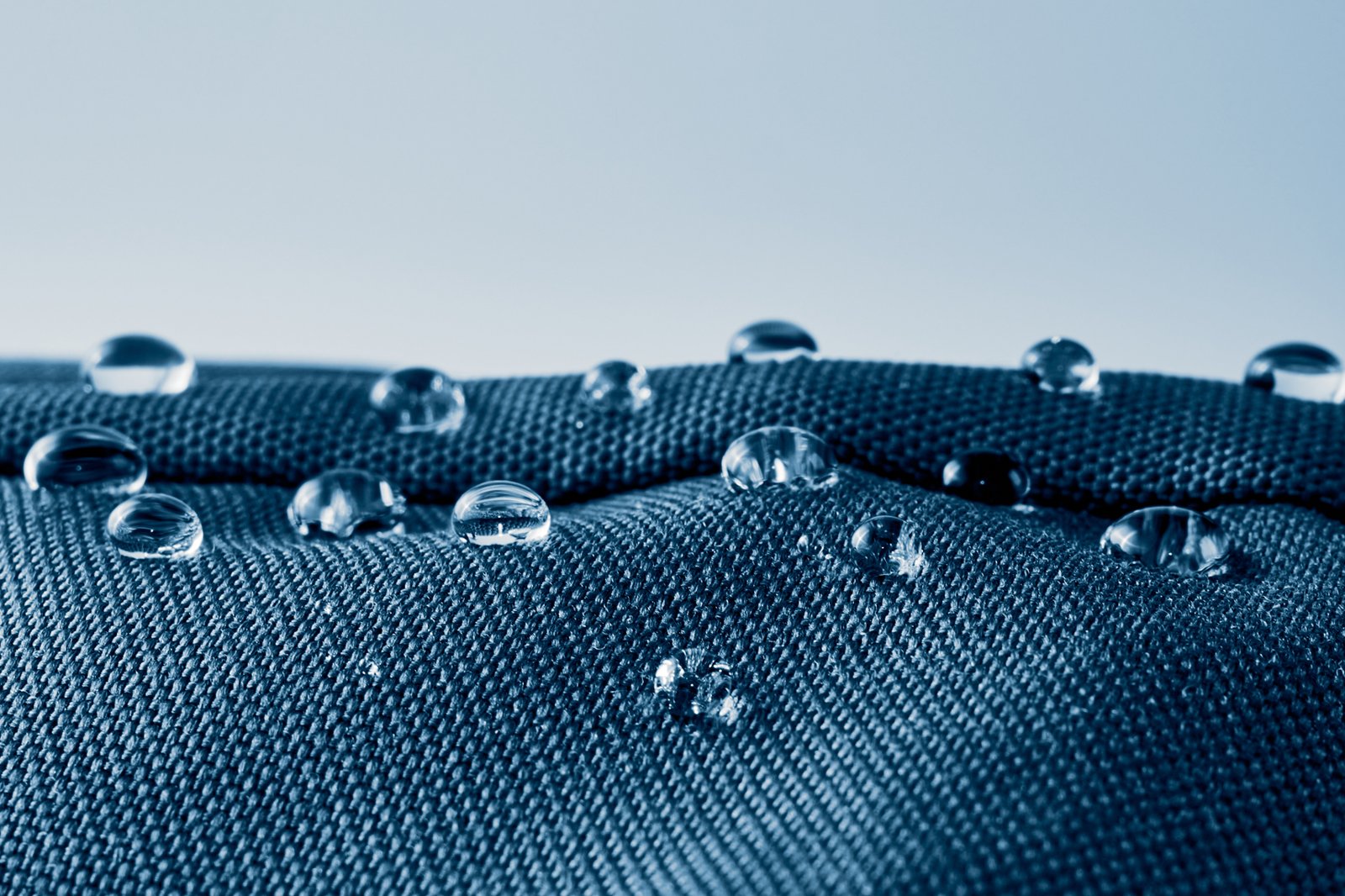
Some revolutions are loud. Others happen quietly, in the way a fabric feels against your skin. Moisture wicking fabric belongs to the second kind. It has transformed the very idea of what comfort means in motion—whether you’re running a marathon, cycling to work, or walking home on a humid evening. Once upon a time, sweat was simply accepted as part of the effort. Cotton was king, soft and breathable, but it soaked up sweat like a sponge. The moment the exercise began, comfort ended. Clothes clung, cooled, and grew heavy. Then came the birth of moisture wicking fabric—light, technical and deliberate. It didn’t just absorb; it managed. It pulled sweat away from the skin and released it into the air, leaving the body free to move and breathe. The Science of Staying Dry At its heart, moisture wicking is about direction. Traditional fabrics hold moisture; moisture wicking fabrics move it. Synthetic fibres like polyester or nylon, often blended with a hint of elastane, create tiny channels that pull liquid from the skin to the outer surface, where it can evaporate. There’s a quiet beauty in how it works. The fibres are shaped to guide moisture, with their surfaces designed to resist absorption while still allowing for movement. The weave plays a role too. A dense knit may trap air and heat, while a mesh pattern allows both to escape. The result is simple: a fabric that keeps you dry without making a sound about it. Some brands now mix in bamboo or merino wool, marrying nature’s touch with science’s precision. These blends breathe better and feel softer. The idea is not to replace natural fibres but to refine them. Comfort Is the New Performance In the early days, performance wear was about compression, speed, and strength. But comfort—once dismissed as a luxury—has become the real measure of performance. A runner who feels light stays focused longer. A tennis player whose shirt stays dry moves more freely. Moisture wicking clothing doesn’t promise to make you faster or stronger. It simply ensures nothing gets in the way. That’s what makes it powerful. It helps the body maintain balance—neither too hot nor too cold. It reduces friction, prevents chill and extends stamina. Even after hours of wear, it stays almost invisible to the mind. And this comfort has moved beyond sport. It’s now part of daily life. People wear moisture wicking fabrics to work, travel, and even to dinner. A decade ago, the idea of a moisture wicking dress shirt would have sounded odd. Today, it’s simply good design. A Smarter Kind of Sustainability Every innovation comes with responsibility. Synthetic fabrics, for all their performance, have faced criticism for their environmental cost. But that story is changing too. Manufacturers now recycle polyester from old bottles and plastic waste. Some use biodegradable fibres that break down faster. Others are developing coatings and finishes that are non-toxic and water-based. The industry is learning that technology and sustainability don’t have to be at odds. Durability is another form of sustainability. Moisture wicking clothing lasts longer, holds its shape, and dries faster, reducing water and energy use. It resists odour, meaning fewer washes and longer wear. These may sound like small improvements, but multiplied by millions of garments, they make a real difference. Beyond the Gym, Into Daily Life Activewear has outgrown the locker room. It’s now part of our everyday rhythm. The same shirt that keeps a marathon runner cool keeps a commuter fresh in the heat. The same leggings that stretch through yoga sessions now appear under office blazers. This crossover isn’t a marketing trend; it’s a reflection of how we live. Life no longer divides neatly between work and rest. We move constantly, and our clothes must move with us. Moisture wicking fabric fits at that pace. It stays dry through the day, adapts to heat, and keeps its form through motion. Designers have caught on. Tailored silhouettes, neutral tones, refined textures—all now built from fabrics once reserved for athletes. It’s an evolution that feels inevitable. The Quiet Technology Beneath the Surface The next chapter of moisture wicking innovation is already taking shape. Smart textiles are entering the scene, fabrics that respond to temperature, humidity, and even heart rate. Imagine a shirt that cools you when you heat up, or leggings that track hydration through your skin. It’s no longer fantasy; it’s research in progress. Nanotechnology is refining performance at a microscopic level, making fabrics that resist water and dirt yet remain soft and breathable. The focus is not on what’s visible, but on what’s felt. The goal is clothing that supports the body naturally, almost intuitively. A Change in Expectation We rarely think about our clothes until they fail us. A shirt clings. The sock stays damp. A jacket traps too much heat. Moisture wicking fabrics have changed that expectation. They’ve made comfort the default, not the reward. People may not know the science behind it, but they can feel it. They feel lighter, cooler, more at ease. That quiet ease has become a new luxury. The Human Side of Fabric Innovation The story of moisture wicking clothing is, in the end, a story about how people move. Modern life is full of transitions, home to gym, work to dinner, indoors to outdoors. We don’t pause changing with every shift. Our clothes have learned to keep up. Moisture wicking fabric doesn’t shout about its capability. It doesn’t sparkle or cling. It performs quietly and consistently. It gives you freedom to move, without reminding you that it’s there. That’s what makes it so modern—technology serving human experience, not the other way around. The Future Is Soft, Cool, and Constant The next decade of activewear will belong to fabrics that feel natural yet perform like machines. The innovation won’t be in how things look, but in how they feel. Moisture wicking fabric will lead to that movement. It has already changed the way athletes train, travellers pack, and designers think. Its future will be refinement—lighter yarns, smarter blends, and greater responsibility toward the planet. What began as a niche sports innovation has become an essential part of how we live. It’s a quiet revolution, but one you can feel every time you pull on your favorite shirt and forget it’s even there. At Cirocco, we believe that great fabrics don’t just follow the body, they understand it. Our moisture wicking textiles are crafted for comfort, durability, and performance, designed to meet the pace of modern life. To explore how Cirocco’s fabrics can shape your next collection, click here. FAQ
Wrinkle-Free Fabrics: The Smart Choice for Modern Formalwear
Some mornings begin in a rush. A quick shower, coffee in hand, one eye on the clock and the shirt on the chair looks like it spent the night in battle. For decades, this has been the quiet burden of formalwear: looking crisp meant putting in the work. Ironing, steaming, folding. And then, almost without fanfare, came the rise of wrinkle-free fabrics, the quiet kind of innovation that changes how people live, not just how they dress. The Science of Staying Smooth At first glance, a wrinkle-free shirt looks no different from any other. The weave, the sheen, the coolness of cotton, all seem familiar. But there’s chemistry beneath the surface. Traditional cotton creases because its fibres move and re-bond with moisture and heat. Wrinkle-free fabrics solve this by creating cross-links between the fibres. These invisible bonds help the fabric return to its original shape after bending or folding. It’s clever engineering, but not cold or clinical. The best wrinkle-free shirt fabric still feels natural, soft, breathable and cool against the skin. Over the years, fabric manufacturers have refined this process to remove the stiffness and chemical smell that once gave early wrinkle resistant shirts a bad name. What remains now is the essence of ease: cotton that behaves like itself but better. Comfort Meets Function When people hear “wrinkle-free,” they often imagine something coated or synthetic. That’s outdated thinking. Modern wrinkle-free material has evolved far beyond that. Manufacturers now use finer yarns and smarter finishing methods. The treatments are lighter, allowing air to move freely through the weave. The result is comfort that lasts through long commutes, crowded flights, or humid afternoons in Mumbai or Singapore. You can wear it from the first meeting to the last drink of the day and still look as though you just changed into it. The comfort blends into your routine so naturally that soon you can’t imagine going without it. The Quiet Aesthetic There’s a kind of beauty in looking composed without appearing to try. A shirt that holds its lines and keeps its collar standing tall says something about its wearer. It suggests precision but not fuss. It speaks of someone who values quality in the background, who understands that polish doesn’t have to be loud. Wrinkle-free fabrics support that idea. They let formal wear breathe a little. The fabric doesn’t fight your movements; it works with them. And by the end of the day, when the sleeves are rolled and the tie is loose, the shirt still holds its shape. Not perfect, not pressed, but presentable, which is, perhaps, the new standard of elegance. A Practical Kind of Sustainability Few people associate ironing with sustainability but think about it. Every pressed shirt takes time, electricity and water. Wrinkle-free fabrics change that equation. They need less maintenance, fewer washes and less heat. That saves energy and extends the fabric’s life. Modern treatments are also cleaner than before. Many mills now use formaldehyde-free finishes and water-efficient production methods. It’s a quiet evolution in an industry that often forgets that the simplest improvements can have lasting effects. And when a shirt lasts longer, when it doesn’t fade, fray, or lose its shape, that’s sustainability in practice, not in slogan. Designed for Real Life Formalwear used to be an occasion. A meeting. A ceremony. A photo. But today, the lines have blurred. Professionals move from a video call to a flight to a dinner without time to change. Wrinkle-free fabrics meet that reality. They keep up. It’s not only about shirts, though shirts are where this technology shines brightest. Many brands now extend wrinkle resistance to trousers, jackets and even dresses. The goal is the same: clothes that move with life, not against it. Still, the shirt remains the anchor, the piece that frames the face, defines the silhouette and carries the day. When it’s made from the right wrinkle-free shirt fabric, it holds its shape from morning till night. It earns the trust that comes from consistency. The Craft Behind the Fabric Behind ease lies an art that doesn’t get enough attention. Wrinkle-free fabric is not a shortcut; it’s the product of precision. Mills spend years adjusting fibre blends, resin types, curing temperatures, and weaves. Too much treatment and the fabric feels artificial. Too little, and the effect fades after a few washes. The best mills strike the balance with experience and intuition. They know how to keep the soul of cotton intact while giving it the discipline of modern life. That balance between softness and structure is what separates a shirt that feels alive from one that looks lifeless. The Future of Formalwear The dress codes of the world are loosening but not disappearing. Even as offices grow casual, people still want to look pulled together. The difference is that comfort now shares the stage with style. Wrinkle-free fabrics sit right at that intersection. They carry the polish of tradition and the practicality of the present. What’s next? The focus will likely turn toward natural innovations: organic cotton blends, stretch wrinkle-free weaves and eco-safe finishes that age gracefully. The mission isn’t changing, it’s still about making clothes that look sharp and feel easy but the materials are becoming smarter, lighter, more responsible. A Fabric That Understands Its Time In the end, wrinkle-free fabrics are less about fashion than about rhythm. They match the pace of how people live. They respect time, yours, mine, the planet’s. They free you from the iron without losing the elegance that formal wear deserves. A good wrinkle-free shirt doesn’t announce itself. It simply works. It lets you walk into the day ready, uncreased, and composed. At Cirocco, we believe in fabrics that serve real life. Our wrinkle-free shirt fabrics combine natural comfort with long-lasting structure. Each weave is built to endure, to move, and to retain its quiet grace. For designers and brands who care about quality that feels lived-in yet refined, Cirocco provides a foundation you can trust. FAQ
Formal Shirt Fabric Types and Their Uses in Modern Fashion
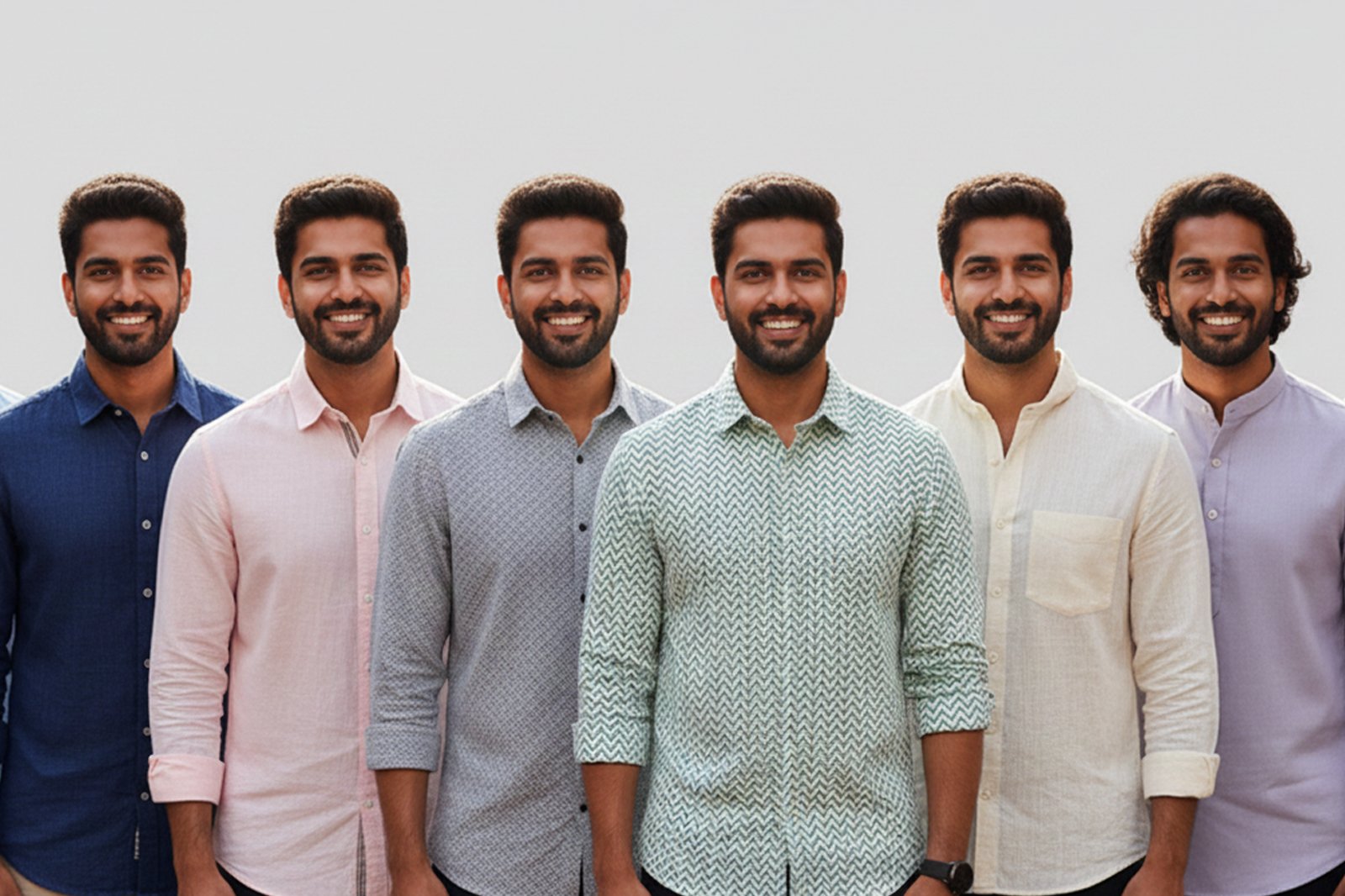
The formal shirt is one of the most essential garments in a man’s wardrobe. It speaks of discipline, refinement, and taste. Yet behind every sharply tailored shirt lies something more fundamental than its cut or colour: the fabric. The choice of fabric determines how the shirt drapes, breathes, feels against the skin, and even how it ages. In a world that values both craftsmanship and comfort, understanding formal shirt fabric is no longer a luxury. It is a necessity. The Language of Fabric Ask any master tailor or designer what separates a good shirt from a truly great one, and the answer is always the same: fabric. The right fabric transforms a simple pattern into something remarkable. Its weave, fibre, and finish decide how the shirt feels, how it moves, and how it holds its shape through time. In the world of formal shirt fabric, cotton, linen, silk, and blended materials reign supreme. Each brings its own texture, weight, and character, giving the shirt a distinct personality and purpose. There is no universal formula for choosing the best fabric for formal shirts. The perfect choice depends on what you value most — the crispness of poplin, the softness of twill, the quiet sheen of silk, or the breathability of linen. True style lies in understanding that fabric is not just a material; it is the foundation of expression and the measure of refinement. Let’s examine the various types of formal shirt fabrics and how they fit into today’s wardrobes. 1. Poplin: The Modern Minimalist Poplin, often referred to as broadcloth, is the unsung hero of formal shirts. It features a smooth, simple weave that feels soft but keeps its shape perfectly. The fine yarns create a smooth and cool-to-the-touch surface. Poplin is ideal for city life, boardrooms, interviews, and evenings when accuracy is crucial. A white poplin shirt paired with a blue suit remains one of the most powerful combinations in men’s fashion. It shows that you are confident without trying. Poplin is a basic fabric that everyone should start with when making a capsule wardrobe. 2. Twill: The Confident All-Rounder Twill weaves are instantly recognisable for their subtle diagonal lines. The texture gives the fabric a luxurious weight and a gentle drape that sits beautifully under tailoring. Twill also resists wrinkles better than poplin, which makes it ideal for long workdays and travel. From Bengal stripes to deep solids, twill allows colours to appear richer and more dimensional. It works equally well for formal business wear or elegant evening attire. When choosing the best fabric for formal shirts, twill sits confidently near the top, combining practicality with elegance. 3. Oxford: The Relaxed Aristocrat Oxford cloth has a long and storied history. It was once associated with British university style, but now it lies somewhere between formal and casual. The basket-weave pattern makes it rough and hearty. It is thicker than poplin, but not so thick that you can’t wear it beneath a jacket or light suit. The Oxford shirt is excellent since it can be worn in many different ways. On a Friday afternoon, you can wear it with a tie or leave the collar free. Oxford fabric remains a classic choice for professionals today who seek both style and comfort. 5. Herringbone: The Discreet Sophisticate The herringbone weave gets its name from the fact that it looks like the skeleton of a herring fish. It makes a nice zigzag pattern. This fabric catches the light in little ways, which makes solid hues look deeper. It feels smooth, rich, and very European. Herringbone shirts look especially well-suited for winter. They look great with textured wool suits or beneath a cashmere blazer. A well-cut herringbone shirt shows that you care about details and craftsmanship, which is something that never goes ignored. 6. Dobby: The Understated Statement Dobby fabrics have small geometric patterns that are woven into the fabric. The end product is intricate, yet not overly complex. These small textures reflect light in different ways, which adds depth to the design without making it too cluttered. Dobby shirts are great if you want to stand out without being too formal. They look terrific with a solid tie or a more up-to-date suit. In a world where men’s fashion often values simplicity, the dobby weave allows tiny variances to show through. 7. Linen: The Breath of Summer Linen is often regarded as a casual fabric. Yet, it has also found a place in formal attire, particularly in warmer climates. Designers who make summer formals love it because of its natural texture and ability to wick away moisture. A well-fitted linen shirt gives off a casual formality that doesn’t appear forced. It seems like you know what you’re doing when you wear it with a light blazer or chinos. For a long time, European-style icons have said that linen is the sign of a well-travelled guy. 8. Cotton-Silk Blends: The Luxe Performer When cotton and silk come together, the result is sheer elegance. These mixtures possess the softness and shine of silk, combined with the breathability of cotton. The fabric is soft and luxurious, yet still wearable. People commonly wear silk shirts to fancy meals, evening parties, or other formal events when they want to look their best. The shine adds a touch of glamour, but not too much. It is the epitome of sophistication. 9. Stretch Blends: The Modern Solution Modern tailoring is as much about movement as it is about appearance. Stretch blends, usually cotton combined with elastane or Lycra, have transformed the way formal shirts are worn. They allow for flexibility, retain their shape, and ensure comfort throughout long days of work or travel. This innovation marks a shift in how we define formalwear. The modern man demands practicality without compromise, and fabric manufacturers have risen to the challenge with intelligent weaves that respond to the body. The Role of the Fabric Manufacturer Every well-made shirt begins with a skilled fabric manufacturer. The best mills in Italy, England, and India have spent decades learning how to blend tradition with new ideas. They work with different fibres, experiment with weaves, and perfect the finishing process until the cloth feels exactly right. Designers and manufacturers work side by side. The designer shapes the vision, and the manufacturer