

Italian Fabrics: Ideal for Men’s Shirts
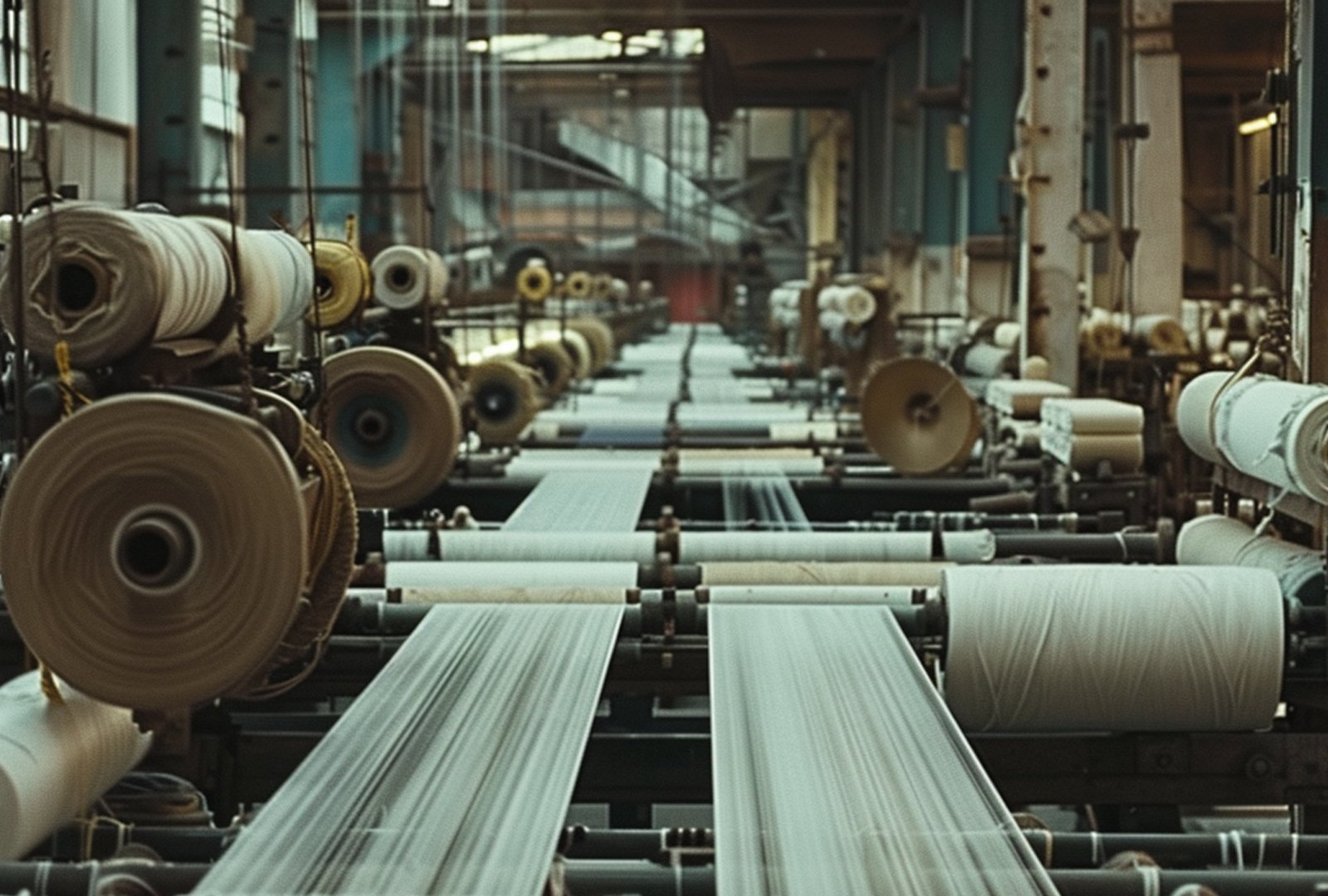
“Elegance is not standing out, but being remembered.” — Giorgio Armani For over a century, Italian fabrics have set the global standard for textile craftsmanship. They are admired for their structure, softness and long-lasting appeal. Cirocco understands why Italy’s weaving heritage is so significant. Our own history in textile manufacturing, which dates back to the 1930s, has taught us that true quality is found in the smallest details. Italian mills are frequently regarded as benchmarks of excellence. Their shirt fabric techniques are unparalleled. The result is a fabric that looks sophisticated, feels natural against the skin, and performs admirably in everyday use. The Italian Tradition of Craft Italy’s textile reputation did not happen overnight. It grew through centuries of careful making. From Biella to Como, small family-run mills combine local resources with innovation. The pure mountain water, mild climate and access to premium fibres gave Italy a natural advantage. Over time, this evolved into an ecosystem where every stage, from spinning to finishing, was perfected. Each Italian mill operates with discipline. Yarn selection is done with precision. Weaving is handled on advanced looms designed to preserve thread integrity. Finishing is done with an eye for touch and texture. The outcome is fabric that feels alive, smooth yet substantial, soft yet structured. For anyone who values material excellence, Italian fabric represents a balance between engineering and art. Why Italian Fabric Excels in Shirting A man’s shirt is one of the most difficult garments to produce. It must keep its shape, breathe properly, and look good even after long periods of use. Italian shirt fabrics easily meet these requirements. They are woven with a high thread count, giving the fabric a smooth surface and subtle lustre. Long-staple cotton, typically Egyptian or Sea Island, is spun into uniform yarns that resist pilling and fraying. This consistency ensures comfort and durability, two characteristics that define good shirting. Italian mills also prioritise balance. The weave is neither too tight nor too loose, so the fabric drapes naturally. This results in shirts that move easily and retain their structure even after multiple washes. Cirocco adheres to this same philosophy. Like the Italian masters, we believe that a fine shirt starts with fine yarn and ends with care. Weaving Matters More Than You Think Before any chemical finish enters the picture, the fabric itself plays a starring role. Poplin, twill and Oxford weaves all behave differently. A tight, fine weave like poplin already resists creasing better than a loose weave. Twill, with its diagonal structure, drapes well and hides minor wrinkles. Oxford, with its textured finish, wears in gracefully. When fabric manufacturers in India and abroad produce wrinkle-free shirting fabrics, they often choose stable weaves that complement the finish. It’s a clever combination: engineering at the fibre level, structure at the weave level, and design at the garment level. The Difference in an Italian Suit Fabric While shirting is the focus here, no discussion of Italian textiles is complete without mentioning the iconic Italian suit fabric. The same dedication to spinning, weaving, and finishing that distinguishes Italy’s shirting tradition also applies to suiting. Fine wool, silk blends, and lightweight cottons are designed for both structure and comfort. These fabrics are breathable, resistant to creases, and drape with precision. The technical understanding gained from suiting has a direct influence on Italian shirt fabrics, resulting in similar finesse and control. This multidisciplinary approach explains why Italian mills continue to lead in global textile innovation. How to Identify a Good Italian Shirt Fabric Recognising high-quality fabric requires some observation and experience. Italian shirt fabrics stand out for their texture, weave, and long-term performance. Here’s how to recognise them. Feel the texture. Begin with touch. A high-quality fabric feels smooth and balanced. It shouldn’t be slippery or too stiff. The best Italian cottons feel alive in your hands, with a clean surface and gentle flexibility. Look at the weave. Hold the fabric up to the light. The weave should appear even, with no irregular gaps or loose threads. Italian mills are renowned for their precision, and this consistency is often immediately apparent. Observethe finish. Good fabrics have a soft, natural glow rather than a shiny finish. The quiet lustre comes from careful finishing and high-quality fibres, not chemical coatings. Check thecolourdepth. Examine how the fabric retains colour. Italian shirtings absorb dye well, allowing them to retain depth and brightness even after multiple washes. Notice how it holds shape A strong fabric returns to form easily. Seams stay aligned, collars stay crisp, and the shirt keeps its proportions through wear and washing. Each of these signs points to skill in weaving and finishing. When several come together, you are looking at a fabric designed to last. Expertise Beyond Borders Cirocco has long admired Italian textile production methods. It reflects our shared principles of precision, consistency, and unwavering craftsmanship. Since 1932, our work has been guided by the belief that quality can be achieved over time with patience and attention. Every process starts with the material. We source high-quality cottons and oversee the entire manufacturing process, from spinning to finishing. The goal is simple: create fabrics that feel good, perform well, and last over time. We consider weaving to require both skill and comprehension. The methods have evolved, but the principles remain the same. Each fabric is meticulously designed, stability-tested, and refined until it meets our own high standards. Our priority has always been the people who use and wear our fabrics. Designers, manufacturers and customers trust us because our fabrics are consistent, comfortable and reasonably priced. That trust is our most important metric of success and the reason we keep doing what we do. Why Italian Fabrics Continue to Lead The continued global respect for Italian fabrics lies in their commitment to perfection. Mills evolve with the times but never compromise on craftsmanship. They invest in innovation, but always with purpose, to improve texture, performance and sustainability. Many Italian producers now focus on eco-friendly finishing and water recycling. Their success demonstrates that luxury and responsibility can exist together. That is a philosophy Cirocco believes in deeply. A well-made fabric that lasts longer reduces waste and honours both maker and user. The Value of Knowledge True textile knowledge is made of small moments. It lives in the way a spinner reaches for one bobbin over another, in the half degree that a finisher will alter the bath temperature, in
Wrinkle-Free Shirting Fabrics: Myths, Science and Style Tips
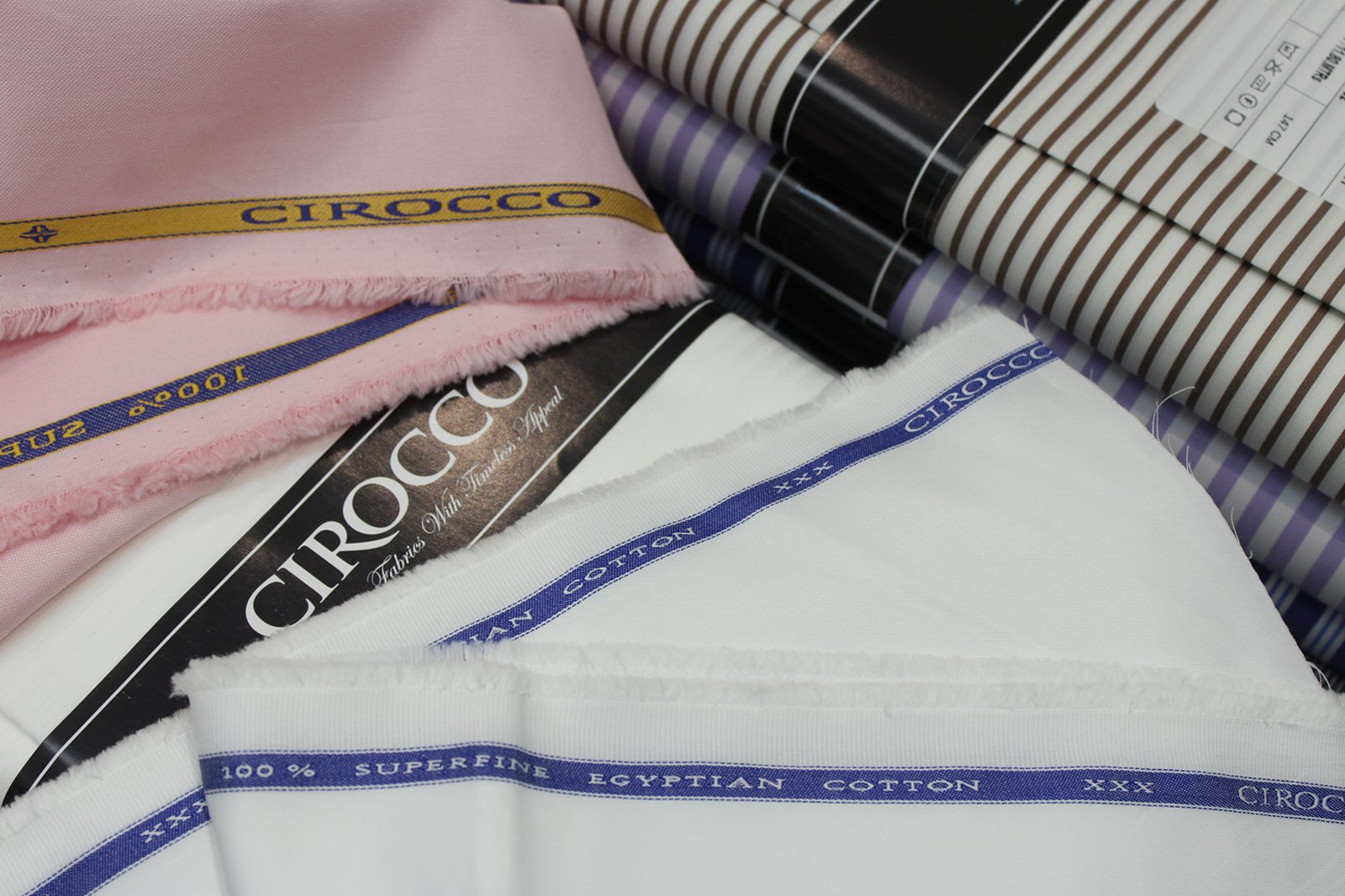
There is a quiet joy in wearing a crisp shirt that looks fresh all day. No tugging, no creases running across your chest, no ironing marathons in the morning. Wrinkle-free shirting fabrics promise exactly that. But behind this promise sits a world of textile chemistry, weaving techniques and smart styling choices. This is not just a story about shirts. It’s a story about how a fabric can shape the way we feel, work and present ourselves. The Myth of the “Iron-Free” Shirt Fabrics Somewhere along the way, wrinkle-free shirts picked up a myth. The idea that you could pull one straight out of the dryer, button it up and walk into a meeting like a magazine model. In truth, no fabric is entirely immune to creasing. Cotton, linen and blends react to movement, humidity and heat. Even the finest wrinkle-free fabrics crease a little. The difference is how fast those creases appear and how visible they are. This myth grew because wrinkle-free finishes made shirts more forgiving. They don’t crush as easily when folded, they bounce back from pressure faster and they often hold their shape through a long day. But they’re not magic. They’re engineering. The Science Inside the Shirt Fabrics The foundation of wrinkle-free shirting fabrics lies in how cotton fibres behave. Cotton creases because its cellulose molecules move when pressure and moisture act on them. Imagine fibers as tiny ropes with many water-loving points. When they absorb moisture, they swell and shift. That movement sets the crease. To prevent that, fabric manufacturers treat cotton with special resins that create cross-links between the molecules. These links act like anchors, holding the fibre in place. So when the shirt is folded, pressed, or worn through the day, it resists permanent creasing. The result is a smoother surface for longer hours. This treatment is common in many high-quality Shirt Fabrics. Some mills use low-formaldehyde or formaldehyde-free finishes, which meet global safety standards. This makes the fabric safe to wear, soft to touch, and easy to maintain. The process is as much about precision as it is about chemistry. Too little resin and the fabric creases; too much and it loses breathability. Weaving Matters More Than You Think Before any chemical finish enters the picture, the fabric itself plays a starring role. Poplin, twill and Oxford weaves all behave differently. A tight, fine weave like poplin already resists creasing better than a loose weave. Twill, with its diagonal structure, drapes well and hides minor wrinkles. Oxford, with its textured finish, wears in gracefully. When fabric manufacturers in India and abroad produce wrinkle-free shirting fabrics, they often choose stable weaves that complement the finish. It’s a clever combination: engineering at the fibre level, structure at the weave level, and design at the garment level. Wrinkle-Free vs. Easy-Care: A Subtle Difference These terms often end up in the same sentence, but they mean slightly different things. Easy-care fabrics are treated to make ironing quicker and creases lighter. Wrinkle-free fabrics take it a step further. They hold their shape for long hours, even when you sit, stretch or travel. Think of easy-care as a helping hand. Wrinkle-free is more like quiet armour. Neither is “zero iron,” but both give your wardrobe a longer shelf life and a sharper look. Comfort and Breathability: The Big Question A common worry with wrinkle-free fabrics is breathability. People fear they’ll feel stiff or synthetic. Early versions did have that problem. The finishes were heavy, the handle was rigid and the fabric often felt as if it belonged on a display rack, not on a person. That changed with better finishing techniques. Today’s leading fabric manufacturers in India use advanced resin systems and softeners that keep the natural feel of cotton intact. The trick is to balance the finish so that the fibres still breathe. A good wrinkle-free shirt should feel light, move with your body, and allow air to circulate. Style Tips: Wearing It Well Even the most advanced fabric won’t save a bad outfit. Style plays an equal part in how crisp a shirt looks throughout the day. A few habits go a long way: Fit first. A well-fitted shirt moves less against the body, which means fewer stress creases. Layer smartly. A blazer or lightweight jacket distributes pressure and protects the fabric. Hang, do not fold. Hanging helps the fibres relax, keeping the shape intact overnight. Steam when needed. A quick pass with a steamer revives the finish without the sharp lines of an iron. A wrinkle-free shirt gives you a head start, not a free pass. Care Without Fuss Wrinkle-free shirting fabrics is made to make life simpler, not fussy. Wash in cold or warm water. Use a gentle cycle. Skip the dryer’s highest setting. Hang the shirt while it’s damp, smooth it down with your hands, and let it dry naturally. That’s often all it takes. Avoid heavy starch. It works against the fabric finish and can make it stiff. If you iron, use medium heat. The goal is not to flatten but to refresh. Why Fabric Origin Still Matters There’s a reason why many brands work with fabric manufacturers in India. India has a long textile tradition, skilled mills and access to high-quality cotton. Many manufacturers have modernised their processes while keeping an eye on fabric character. Wrinkle-free finishes from these mills often blend durability with a soft, breathable hand. Good fabric is never looking for attention. It stays quiet on your shoulders, doing its job while you do yours. When sourced from trusted mills, wrinkle-free fabrics wear well, age well and need less fussing. The Quiet Power of a Crisp Shirt In the end, wrinkle-free shirting fabrics are not just about avoiding iron. They’re about ease. A crisp shirt signals that you care about how you show up. It doesn’t demand much in return. A well-made fabric, a little care and a good fit can carry you through a workday, a dinner or a long flight without losing its shape. At Cirocco Fabrics, we see fabric as more than a material. We see it as the quiet partner in how people live and express themselves. We combine advanced textile innovation with timeless weaving traditions to create shirting fabrics that hold their shape, breathe well, and age gracefully. Our collections reflect both technical mastery and an understanding of how fabric should feel on the skin, natural, effortless and quietly elegant. Concluding Thought The promise of wrinkle-free fabrics has evolved from marketing slogan to textile craft. It’s no longer about pretending shirts never crease. It’s about creating fabrics that work with you. When you pick your next shirt, run your hand over the fabric.
What are Different Types of Print Patterns?
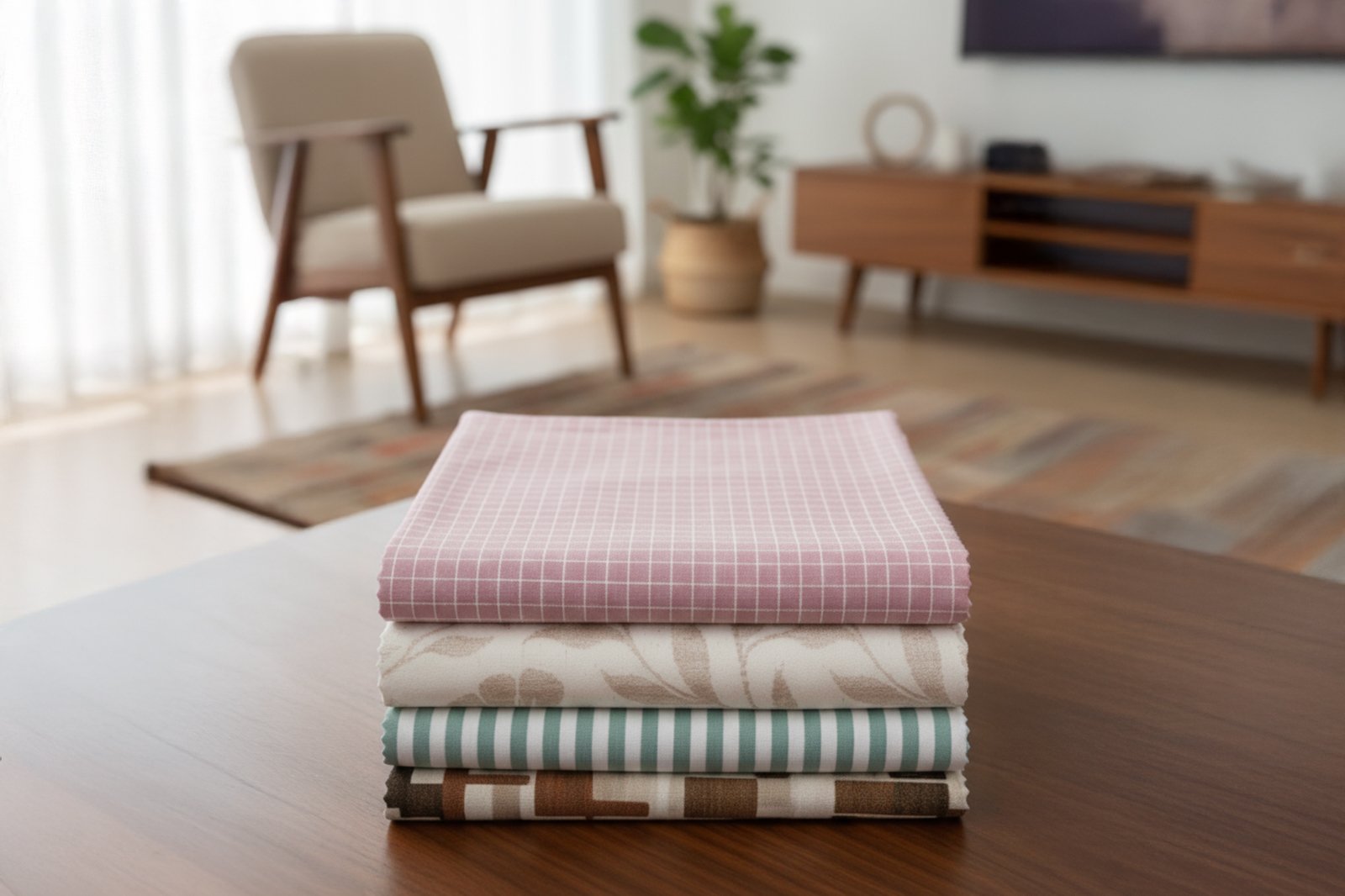
Shirts speak before we do. A well-chosen pattern has the quiet power to set a mood, spark a conversation, or make a day feel just a little more interesting. Print patterns have always lived somewhere between design and storytelling. They reflect culture, mood and personality. In the world of shirt fabrics, these patterns shape trends as much as they follow them. Fabric printing has been part of textile craft for centuries, shifting from hand-block methods to intricate digital techniques. Yet the language of prints remains wonderfully simple. Stripes, checks, florals, geometrics, they each hold a familiar rhythm. The pattern you choose can say as much about you as the fabric itself. Let’s walk through some of the most common types of print patterns used in printed shirt fabrics. Think of this as a quiet gallery tour. No pushy guide, no loud sales talk. Just the joy of noticing the details. 1. Stripes: Quiet Lines, Strong Presence Stripes are the foundation of classic menswear and a popular choice in casual wardrobes. They’re simple, almost austere, but incredibly versatile. Vertical stripes lengthen the body and provide a clean, composed appearance. Horizontal stripes evoke a sense of ease and leisure, reminiscent of seaside vacations and vintage postcards. In fabric printing, stripes can be fine, bold, or irregular. Pinstripes are a subtle design element that is frequently used in dress shirts. Bengal stripes enhance contrast and add structure. Nautical stripes remain timeless, neither loud nor shy. Their quiet confidence has kept them relevant for decades. 2. Checks: The Pattern That Travels Checks are like old friends—comfortable, simple, and dependable. The grid-like structure strikes a balance between order and personality. Gingham, with its small, even squares, has a bright, almost cheerful appearance. Madras checks have a looser, more bohemian feel and are typically made of soft cotton that breathes well. Tartan holds historical significance. It refers to clans, regions, and identity, making it more than just a pattern. Windowpane checks are an example of modern minimalism: broad lines against a solid background that are sharp but not stiff. Colour can take centre stage in printed shirt fabrics thanks to checks. The geometry serves as a quiet frame, allowing the shades to take centre stage. 3. Florals: Stories in Bloom Florals carry a sense of ease. They soften the formal edges of a shirt and make it feel alive. A small ditsy floral print can feel almost whispered, a gentle nod to spring. A large tropical bloom can transform a shirt into a statement piece, bold without shouting. Fabric printing techniques give florals their depth. Colours layer, petals overlap, stems meander. A good floral doesn’t just sit on the fabric; it seems to grow from it. This pattern works well across cotton, linen, and blends, making it a staple in warm-weather wardrobes. 4. Geometrics: Order with a Twist Geometric patterns provide structure without being overly formal. Consider arranging diamonds, triangles, or hexagons in neat, satisfying patterns. They draw their eyes in a gentle and quiet rhythm. These patterns originated in midcentury modern design but are now appropriate for both casual and semi-formal shirts. They exude personality without exaggeration. Geometrics in fabric printing are crisp and precise, with an emphasis on clean contrast. 5. Abstract Prints: A Little Mystery Abstract patterns exist in the space between art and fabric. They do not follow grids or floral curves. Instead, they experiment with brushstrokes, splashes and shapes to suggest meaning without fixing it. Abstract prints can be subtle or vibrant. Some resemble watercolor washes. Others resemble paint splatters, swirls or fractured geometry. These prints thrive in the hands of designers who enjoy breaking rules. Abstract prints on shirt fabrics create a sense of individuality. They entice the eye to linger and guess 6. Polka Dots: The Gentle Rebel Polka dots exude a playful vibe. They’ve been around for over a century, but they feel as fresh as ever. Small dots give a neat, almost formal appearance. Large dots exude vintage charm, evoking old cinema and summer afternoons. Fabric printing captures polka dots with precision. The spacing is as important as the size. A tight pattern can be delicate. A loose one gives the design space to breathe. Regardless of their allure, dots hold their ground. They’re simple to pair, comfortable to wear, and surprisingly timeless. 7. Paisley: A Classic that Wanders Paisley is a traveller. It originated as a teardrop-shaped motif in Persia and India, spread to Europe, and never really left. The swirling, almond-shaped design is intricate but warm and rich in history. Paisley on printed shirt fabrics strikes the right balance between tradition and style. The pattern’s complexity is often hidden in plain sight, soft curves, repeated loops, a dance of lines and spaces. Paisley gives shirts a subtle sense of sophistication that is neither strictly formal nor completely casual. 8. Animal and Nature Prints: A Wild Whim Not all patterns need structure. Some simply play. Animal and nature-inspired prints bring a sense of adventure. Think tiger stripes, leafy silhouettes, or delicate butterfly wings scattered across cotton. When used in fabric printing, these designs can be literal or abstract. A leopard print can feel bold. A fine leaf motif can be calm and earthy. Their strength lies in mood-setting. They can be loud or subtle, depending on colour and scale. 9. Ethnic and Cultural Motifs: Patterns with a Past Some patterns contain entire histories on their surface. Ethnic and cultural motifs, such as Ikat, block prints, and African mud cloth designs, reflect craft traditions passed down through generations. Printed shirt fabrics frequently incorporate these elements to create a sense of texture and depth. They may resemble handwoven origins, but they are printed for everyday use. These motifs remind us that fabric printing is more than just decoration. It’s also a way to move stories forward. 10. Conversation Prints: When the Fabric Speaks Conversation prints are playful, even cheeky. They feature objects, animals, fruits, or cityscapes. You see them and smile. These patterns started as novelty prints in the mid-20th century and have held a loyal corner of the fashion world ever since. They’re not for blending in. They invite comments, glances, even stories. On shirt fabrics, they often use bold, saturated colours to match their spirited tone. Fabric Printing: The Quiet Craft Behind the Pattern Behind every print lies a method.
What Is Linen Fabric? A Complete Guide to Nature’s Timeless Fibre

Linen fabric has been used throughout human history for thousands of years. Linen has long been regarded as one of the most respected natural fibres, appearing in everything from ancient Egyptian tombs to contemporary wardrobes. But what exactly is linen fabric, and why is it still so popular in clothing and textiles today? Let’s look at what linen is, how it’s made, and what makes it unique What Is Linen Fabric? Linen fabric is made of flax plant fibres (Linum usitatissimum). These fibres are derived from the plant’s stalk, not its seeds. After harvesting and processing, they are spun into yarn, which is then woven or knit into fabric. The finished product is a lightweight, breathable material that feels crisp, strong, and cool to the touch. Linen is most famous for its use in summer clothing, particularly linen shirts, trousers, and dresses. It is also present in household textiles such as bed sheets, napkins, and curtains. Unlike synthetic fabrics, linen is completely natural. It is biodegradable, renewable, and one of the most eco-friendly textile materials available. A Brief History of Linen Linen is one of the oldest textiles known to humankind. Archaeologists have found linen fibres dating back over 30,000 years. The ancient Egyptians used linen fabric to wrap mummies, symbolising purity and light. The Romans wore linen undergarments to keep cool in the Mediterranean heat. Through the centuries, linen production spread across Europe. Countries like Ireland, Belgium, and Lithuania became famous for their fine linen fabrics, a reputation that still holds today. While the textile industry has evolved, the basic process of making linen from flax remains remarkably similar to how it was done hundreds of years ago. How Linen Is Made Linen’s charm lies not only in how it feels but in the way it’s made. The process takes time and care—qualities that contribute to its lasting appeal. Here’s a simple breakdown of how linen fibre becomes linen fabric: Growing the Flax Flax plants are grown in cool, damp climates. They need minimal fertiliser and pesticides, which makes them a sustainable crop. Flax is usually ready to harvest about 100 days after sowing. Harvesting The plants are pulled out by hand or machine, not cut, to keep the fibres long. These long fibres are key to linen’s strength. Retting The stalks are soaked or left in the field to rot slightly—a process called retting. This helps separate the fibres from the woody stem. Breaking and Scutching After retting, the stalks are dried, then crushed to remove the woody core. The remaining soft fibres are combed to straighten and clean them. Spinning and Weaving The fibres are spun into yarn and woven into fabric. Depending on the weave, the texture of the final linen shirt material can range from smooth and fine to rustic and coarse. This process takes more effort than cotton or synthetics, but the result is a fabric that’s strong, breathable, and naturally beautiful. Linen Fabric Properties Linen is prized for its natural properties. These are what make it a staple for clothing, especially in warmer weather. Breathability Linen allows air to flow through easily. It keeps you cool in heat and feels fresh even in humid weather. That’s why linen shirts are summer essentials. Moisture Absorption Linen can absorb up to 20% of its weight in moisture without feeling damp. It wicks sweat away from the skin and dries quickly, keeping you comfortable. Strength Linen is one of the strongest natural fibres. In fact, linen fibre is two to three times stronger than cotton. It doesn’t stretch much, so it holds its shape well over time. Texture and Feel Fresh linen has a crisp texture that softens with each wash. Unlike other fabrics, it becomes better with age. The slight wrinkles add to its relaxed charm rather than take away from it. Durability Because of its strong fibres, linen fabric can last for decades with proper care. It resists wear and tear and doesn’t pill. Thermal Comfort Linen is a natural temperature regulator. It keeps you cool in summer and provides light insulation in cooler months. Eco-Friendliness Linen production uses less water and chemicals than cotton. Every part of the flax plant can be used, so very little goes to waste. It’s one of the most sustainable textile fibres available. The Feel of Linen: Why People Love It People often describe the feel of linen as “alive.” It’s not smooth like silk or clingy like polyester. Instead, it has a texture that feels earthy and natural. A linen shirt material doesn’t trap heat or moisture, so it feels dry and breathable all day. The wrinkles that form as you move aren’t flaws—they’re part of its easy-going look. Wearing linen feels like giving your skin room to breathe. That’s a big part of its timeless appeal. Caring for Linen Fabric Linen fabric is easy to care for once you understand its nature. Washing: Use lukewarm or cool water. Avoid hot water as it may shrink the fibres. Detergent: Mild liquid detergents work best. Avoid bleach. Drying: Air-dry if possible. If using a dryer, choose a low heat setting. Ironing: Iron while the fabric is still slightly damp for a crisp look, or skip ironing for a casual, lived-in texture. Storage: Store in a cool, dry place. Avoid plastic bags to allow the fabric to breathe. With proper care, linen gets softer and smoother over time without losing strength. Why Linen Is Still Relevant Today In a world full of fast fashion, linen offers something rare: authentic simplicity. It connects us to nature and craft. It doesn’t chase trends; it endures. Whether it’s a breezy summer shirt, a relaxed pair of trousers, or crisp bed linen, the fabric continues to fit modern lifestyles with ease. People value linen not just for how it looks, but for how it feels—honest, cool, and effortless. That’s the quiet magic of linen fabric: a material that has lasted millennia and still feels right today. In Short Linen comes from flax, one of the oldest cultivated plants. It’s strong, breathable, and naturally beautiful. Its wrinkles and texture add character. It’s sustainable and gentle on the planet. A well-made linen shirt can last for years. So next time you put on a linen shirt or slip into linen sheets, you’re not just wearing a fabric—you’re wearing a piece of history, comfort, and craft that has stood the test of time. If you want to buy a quality Linen fabric in a bulk, be sure to check out our website FAQ
How Fashion Designers Choose the Right Fabrics
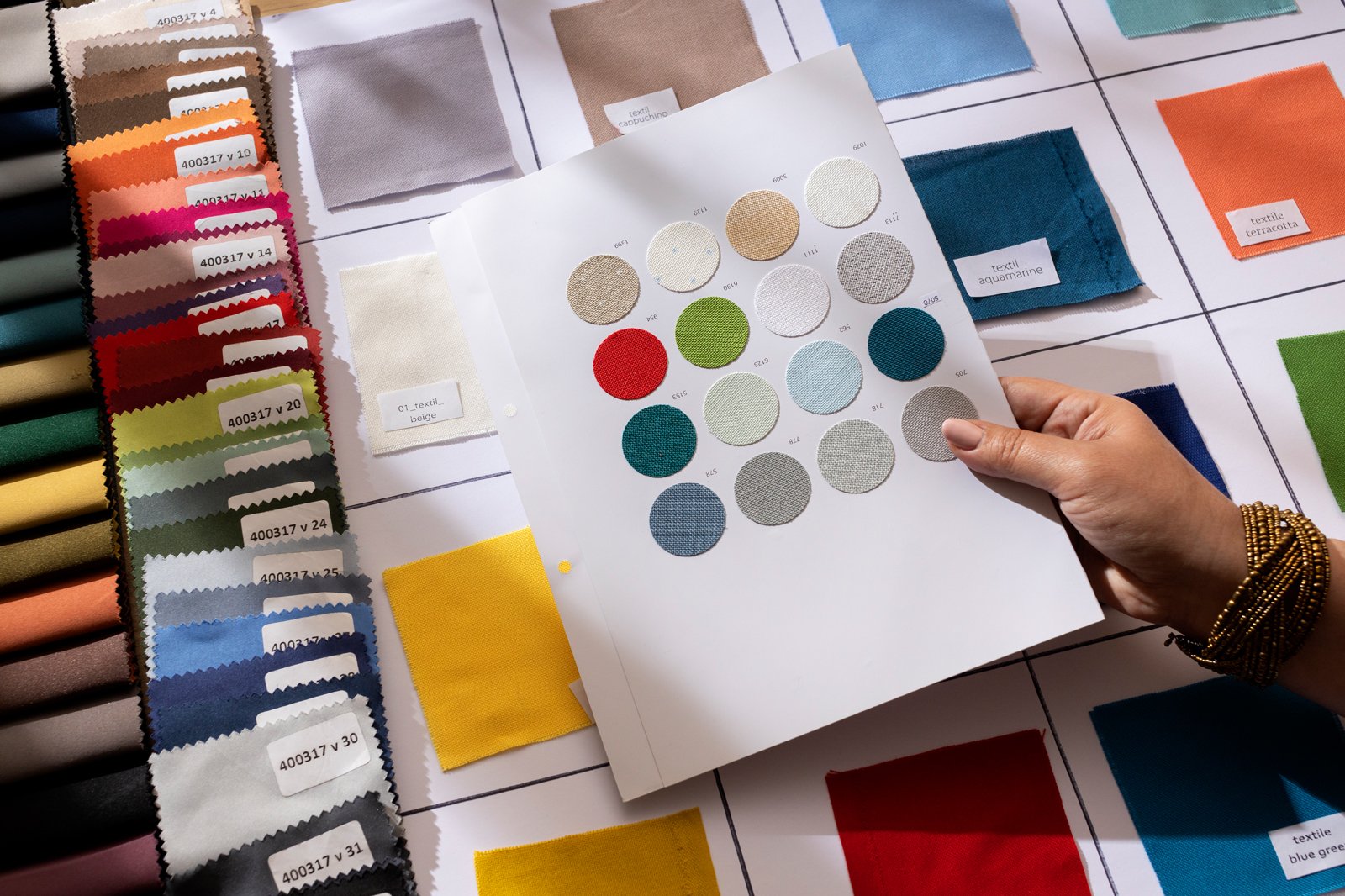
Every design begins as an idea on paper. But the idea only becomes real when a fabric is chosen. Fabric is not a detail added at the end. It is the foundation. It determines shape, feel and movement. For a fashion student, learning how to select fabric is one of the most important steps in turning design into practice. This guide takes you through the main things designers look at when choosing fabrics. Start with the Hand of the Cloth Designers always begin with touch. In fashion, the “hand” is how a fabric feels. Is it smooth, rough, crisp, soft, heavy or light? Touching the fabric tells you if it suits the design. A stiff fabric may give structure to a jacket. A smooth fabric may drape gently for a dress. Tip for students: Always handle fabrics in person. Don’t rely only on photos or descriptions. Twist them, fold them and see how they respond. Weight and Drape The weight of a fabric controls its drape and drape controls silhouette. A lightweight chiffon falls in soft waves. A heavy denim holds its shape. When you choose fabric, ask yourself: Does the drape support the design? Tip for students: Hold the fabric up and let it fall. Imagine how it would move on the body. Colour and How It Holds Dye Fabric and colour are inseparable. The same dye appears differently on silk, cotton or linen. Silk shines, linen absorbs, cotton stays even. Designers test how colours look under natural light, artificial light and after washing. Tip for students: Always look at swatches in daylight. Lighting in studios and shops can mislead you. Durability and Purpose Clothes are meant to be worn and fabrics must match the purpose. Wool keeps warmth but can shrink. Linen breathes well but wrinkles. Polyester blends may resist wear but sometimes lack elegance. Tip for students: Think about where and how the garment will be worn. A gown can afford delicacy. Workwear cannot. Movement Matters Fabric is not static. It walks, bends and stretches with the wearer. Designers watch how fabric behaves in motion. Does it cling? Does it flow? Does it restrict? Movement can make or break a design. Tip for students: Pin fabric on a dress form and move it around. See if it follows or resists the shape. Cost and Supply A perfect fabric is useless if it is too expensive or hard to source. High fashion sometimes allows rare textiles, but ready-to-wear must be realistic. Tip for students: Always ask suppliers about minimum order quantities and timelines. Availability is as important as quality. Reliable suppliers in India, such as established fabric wholesale manufacturers, keep popular designs in constant stock and make planning easier for designers. Cirocco Fabrics, for example, offers “Never Out of Stock” collections that give buyers peace of mind when developing seasonal lines. Tradition and Innovation Every fabric carries history. Tweed brings to mind British tailoring. Denim carries workwear roots. Silk often suggests luxury. At the same time, new fabrics appear every year—blends with stretch, water resistance or eco-friendly properties. Tip for students: Learn both the classics and the innovations. You will need both in your career. Season and Climate Fabrics must fit the season. Wool for winter. Linen for summer. But fashion is global. A spring jacket may be worn in hot Goa or cool London. Designers think about breathability, insulation and comfort across climates. Tip for students: Imagine your design being sold worldwide. Would the fabric still work? Sustainability Today, designers cannot ignore sustainability. Fabrics now come with questions: Is the cotton organic? Is the polyester recycled? Was the dyeing process safe for workers and water systems? Tip for students: Stay informed. Knowing the story behind a fabric is as important as knowing how it feels. Learn from Makers Fabric choice is rarely done alone. Designers talk to mills and suppliers, asking about fibre content, weave and finishing. These conversations teach you how fabrics behave. Tip for students: Build relationships with suppliers. Ask questions. The best designers learn directly from fabric makers. Some suppliers, like Cirocco Fabrics, act as partners rather than vendors. With more than 90 years in textiles, we provide not only a wide library of designer clothing fabrics but also the knowledge and guidance that help a fashion designer match fabric to purpose. The Final Test: Make a Sample No matter how careful the selection, the truth appears only when the fabric is cut and sewn. A sample reveals whether seams hold, hems lie flat and drape matches the sketch. Tip for students: Never skip the sample stage. Swatches mislead. A test garment tells the truth. Bringing It All Together Choosing fabric is not a single step. It is a process of touch, testing and reflection. Designers balance hand, drape, colour, movement, cost and sustainability. They consider history, climate and supply. Above all, they let fabric guide design. For fashion students, the lesson is clear: learn fabrics as carefully as you learn drawing. Build the habit of touching, testing and questioning. In time, you will develop an instinct. And that instinct will turn ideas on paper into clothes that move, endure and speak with authority. In India, Cirocco Fabrics balance tradition with new ideas, offering designers fabrics that feel both timeless and modern. Choosing the right partner matters. Whether you are sourcing designer clothing fabric for a small collection or working with fabric wholesale manufacturers to plan a larger line, the fabric you select will shape how your work comes to life as a fashion designer.
What are the different types of Men’s Shirts
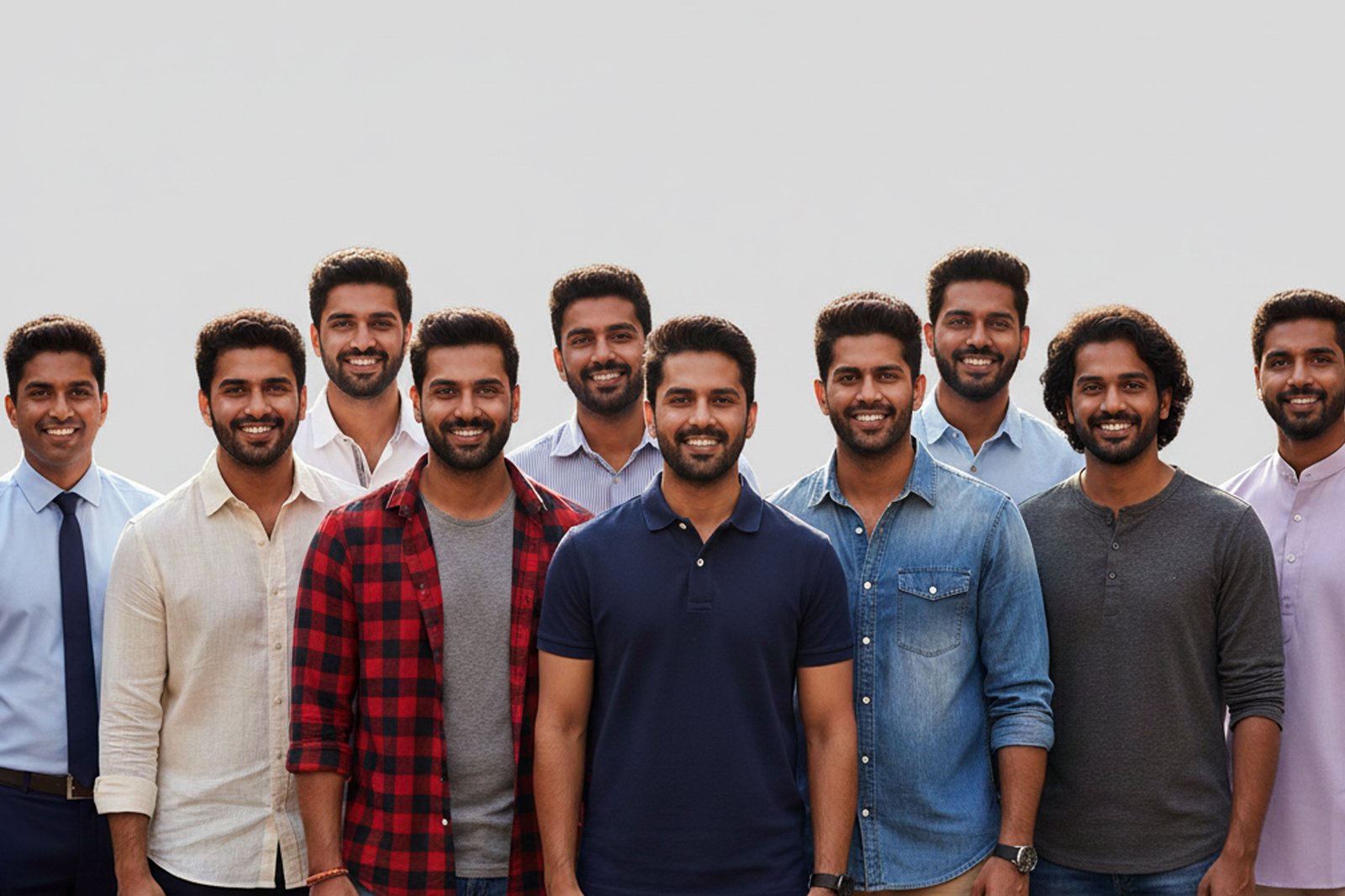
Shirts are one of the most adaptable garments in men’s wardrobes. They shift between boardrooms, summer beaches, workshops and dinner tables with ease. The cut and collar define the style, but the choice of fabric shapes how the shirt feels and looks. Knowing the different types of shirts for men and the fabrics they are usually made of helps in choosing the right one for every occasion. The Dress Shirt The dress shirt is the cornerstone of formal wear. Designed with a structured collar, long sleeves and a clean silhouette, it is most often made from finely woven cotton. Egyptian cotton and Supima cotton are favoured because of their long fibres, which create smooth, durable fabrics like poplin and broadcloth. These fabrics resist wear, hold a crisp crease and carry the sharpness expected in professional or ceremonial settings. The Oxford Shirt An Oxford shirt stands between formality and leisure. Woven from Oxford cloth, a cotton fabric with a basket weave, it has a slightly textured surface and a heavier hand than standard poplin. The button-down collar and sturdy feel make it suitable for offices that lean casual, as well as relaxed dinners. Oxford shirts can come in solid colours or soft stripes and the fabric itself ages well, softening over time. The Linen Shirt Linen has a character all its own. Spun from flax, it has visible slubs that give shirts a textured, airy quality. Linen shirts are lightweight and breathable, making them perfect for hot climates or summer holidays. While they wrinkle easily, the creases are part of their appeal, signalling comfort and ease rather than stiffness. Linen works well in both plain neutrals and pastel shades, lending itself to resort wear and casual evenings. The Flannel Shirt Flannel shirts are cut from soft, brushed fabrics that trap warmth. Traditionally made from wool or cotton flannel, they became symbols of rugged workwear before crossing into mainstream fashion. Most flannel shirts are designed with checks or plaids, but solid flannels in darker shades are just as versatile. A flannel shirt paired with denim or layered over a T-shirt is as much about comfort as it is about style. The Polo Shirt The polo shirt has a history in sport, with its short sleeves, knit collar and button placket. Unlike woven dress shirts, polos are usually made from piqué cotton, a knitted fabric that offers breathability and stretch. Polos are less formal but sharper than a plain T-shirt, which makes them popular in smart-casual wardrobes. They work equally well on a golf course, in a relaxed office or at weekend gatherings. The Denim Shirt Denim shirts are built on the same fabric as jeans, a sturdy, indigo-dyed cotton twill. Their toughness comes from the weave, but they soften with wear and develop unique fades. A dark-wash denim shirt can pass as semi-formal when paired with tailored trousers, while lighter shades lean casual. Denim shirts also double as overshirts, layered open over T-shirts in cooler months. The Chambray Shirt Chambray is often mistaken for denim but differs in weave. Where denim is twill, chambray is a plain-weave cotton fabric with a smoother finish. Chambray shirts are lighter, more breathable and better suited for warm weather. They often appear in soft blue tones, but can also carry other shades. Easy to pair with almost anything, chambray is a practical alternative to denim. The Cuban Collar Shirt The Cuban collar shirt, with its open notch collar and short sleeves, is relaxed by design. It became popular in the mid-20th century and is often cut from lightweight cotton, rayon or linen blends. Many Cuban collar shirts carry bold patterns, floral prints or pastel colours, making them summer favourites. They are worn untucked, often on holidays or casual evenings. The Henley Shirt A Henley shirt has no collar, a round neckline and a placket with a few buttons. It can have short or long sleeves and is typically made of cotton jersey, a soft, knitted fabric. The Henley is comfortable on its own, but it also looks good under jackets and sweaters. It has a casual, rustic look that is somewhere between a T-shirt and a polo. The Mandarin Collar Shirt The Mandarin collar shirt has a short, upright band collar instead of a folded one. This simple style is inspired by Asian tailoring traditions and is often featured in modern, sleek men’s clothing. It is usually made of light cotton or linen, which makes the collar’s clean lines stand out. When paired with tailored pants, it exudes a modern vibe that suits both casual and semi-formal events. Why Fabric Defines a Shirt Across all these types of shirts, the shirt fabric decides how the garment performs. Cotton remains the most common, versatile, durable and breathable fabric; however, each weave has its own distinct effect. Poplin and broadcloth sharpen dress shirts, Oxford adds texture, chambray lightens casual wear and flannel brings warmth. Linen offers coolness, while knitted fabrics like piqué and jersey supply stretch. Even silk finds its way into men’s shirting for occasions that demand sheen and fluidity. Fabric, more than cut or colour, is what determines comfort, drape and longevity. A man who understands his shirt fabrics will always dress with confidence. Cirocco Fabrics: Tradition and Innovation in Shirting For over ninety years, Cirocco Fabrics has stood at the intersection of tradition and modern design, working with fabrics that shape men’s shirts, including Egyptian cotton, Supima cotton, pure linen and fine blends. Our library of more than 3,000 ready designs, refreshed with 200 new additions each month, gives shirtmakers and brands the freedom to move between classic styles and current trends with ease. If you create, source, or sell shirts, you already know fabric is never just fabric. It is comfort, identity and style. At Cirocco, we make sure you always have the right material to bring that vision to life. FAQ
The Rich History of The Indian Textile Industry
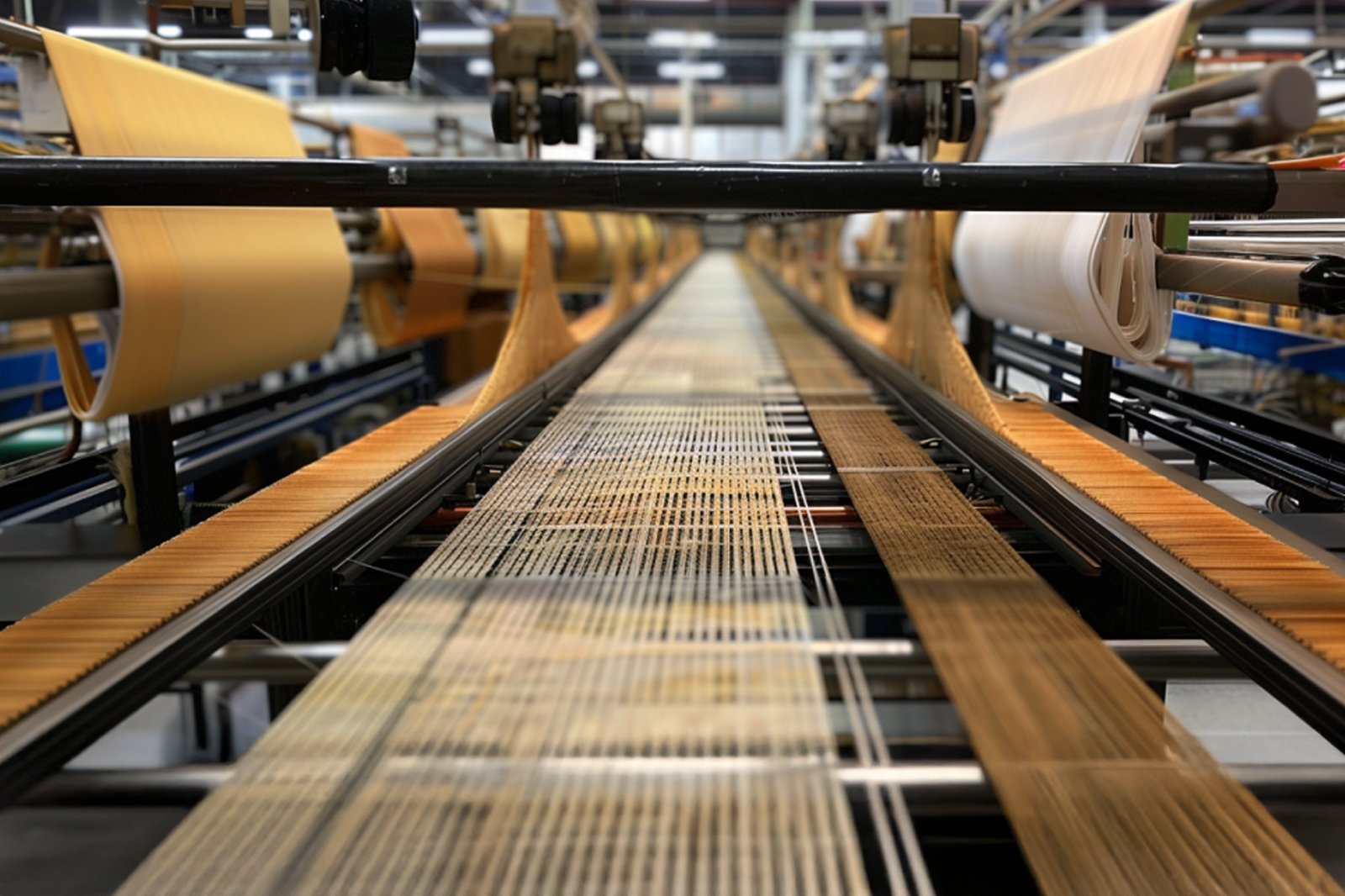
The history of Indian textiles stretches back thousands of years. Few industries in the world can claim such continuity of craft, commerce and cultural influence. To study Indian textiles is to trace the rise and fall of empires, the flow of global trade and the everyday life of millions of people. The story is long, layered and tied to the fabric of India itself. Textiles in the Ancient World Archaeologists have uncovered fragments of woven cotton at Mohenjo-daro, one of the main cities of the Indus Valley Civilisation, dating back to around 2500 BCE. These scraps, preserved by chance, are among the earliest evidence of cotton use anywhere in the world. India is one of the few regions where cotton grew naturally and its people were among the first to spin and weave it into cloth. Classical sources confirm this early lead. Greek historians wrote of “tree wool” from India. Herodotus noted the fineness of Indian cloth compared to what he knew at home. Cotton fabric travelled along land and sea routes, reaching Persia, Egypt and later Rome. The word “muslin,” later used to describe fine cotton from Bengal, probably came from the ancient city of Mosul in present-day Iraq. In this hub, Indian textiles often arrived before moving westward. Textiles were not only about trade. They were deeply tied to culture and religion. Early Indian sculptures and temple carvings show figures draped in patterned cloth, suggesting that dyeing and printing techniques were already advanced. The use of natural dyes from indigo, madder and turmeric gave fabrics a striking range of colours. Even today, fragments of these traditions remain visible in rural weaving clusters. The Age of Empires By the first millennium CE, Indian textiles had become a major export. Cotton, silk and blends travelled to Southeast Asia, East Africa and the Mediterranean. Ports along the Coromandel and Malabar coasts buzzed with merchants. Cloth from India was exchanged for spices, precious metals and horses. The arrival of the Delhi Sultanate in the 13th century and later the Mughal Empire in the 16th century added new layers to the textile tradition. The Mughals, in particular, were great patrons of weaving and embroidery. Under Akbar, the imperial karkhanas (royal workshops) produced luxurious fabrics for the court. These included silk brocades woven with gold and silver threads, as well as velvets and fine muslins. Different regions developed their own reputations. Gujarat became known for its resist-dyed fabrics, where patterns were created by tying or covering parts of the cloth before dyeing. Bengal excelled at producing muslin so fine it was said a full length of cloth could pass through a ring. Banaras (now Varanasi) developed into a centre for brocaded silk, a tradition that continues to this day. Indian textiles were not just decorative. They were deeply functional, designed for the climate and for social customs. The sari, dhoti and turban evolved as versatile garments suited to different conditions. Cloth often signified identity: caste, region and occupation could be read through weave, motif and drape. Indian Textiles and Global Trade By the 17th century, European demand for Indian cloth had surged. Portuguese, Dutch, French and English traders competed to secure cargoes of calico, chintz and muslin. These fabrics were lighter, brighter and more affordable than many European alternatives. They quickly reshaped tastes abroad. In England, “calico craze” became a common phrase. Printed cottons from India were so popular that local wool and silk producers lobbied for bans. Laws passed in the early 18th century restricted the import and sale of Indian cottons, but demand only shifted toward imitation. European manufacturers tried to copy Indian techniques of dyeing and printing. This was the start of a prolonged economic conflict. Indian artisans, skilled in hand-spinning, hand-weaving and natural dyeing, faced competition from mechanised mills in Europe. While India still supplied huge volumes of cloth, the balance of power was shifting. Decline under Colonial Rule The arrival of the British East India Company marked a turning point. By the late 18th century, the company had established control over large parts of India. Its policies reshaped the textile industry. British mills, fueled by industrialisation, produced machine-made cotton at a lower cost. These were shipped to India, while Indian raw cotton was exported to feed those same mills. The effect was devastating for traditional weavers. Handloom weaving, once a major source of livelihood, went into steep decline. Many local industries collapsed. Famines and social dislocation followed. Gandhi later described how the weavers of Bengal were reduced to beggary in their own land. The British did not wholly abandon Indian textiles. Some luxury goods, such as Kashmiri shawls and Banarasi silks, remained valued. But the large-scale export of everyday cotton cloth, once the pride of India, was now dominated by Britain. India became both a supplier of raw material and a captive market for finished goods. Textiles and the Freedom Struggle Textiles played a symbolic role in India’s fight for independence. Gandhi made the spinning wheel or charkha, a central image of the nationalist movement. He urged Indians to spin their own yarn and wear khadi, a hand-spun and hand-woven fabric, as a rejection of British-made cloth. Khadi was more than a fabric. It was a political statement of self-reliance. Wearing it signalled resistance to colonial exploitation—the act of spinning connected the wearer to village life and to the dignity of manual labour. Although khadi could not meet the entire demand for clothing, its symbolic value was immense. It gave a fractured movement a unifying motif. The Textile Industry after Independence When India gained independence in 1947, textiles remained central to its economy. Millions of people still worked as weavers, spinners, dyers and embroiderers. At the same time, modern mills had grown in cities such as Ahmedabad, Mumbai and Coimbatore. The government faced a double challenge: revive traditional crafts while also building a competitive industrial sector. Handloom cooperatives were established, and research institutions promoted new fibres and techniques. The All India Handloom Board and institutions like the National
The Best Ways to Care for Linen Shirts
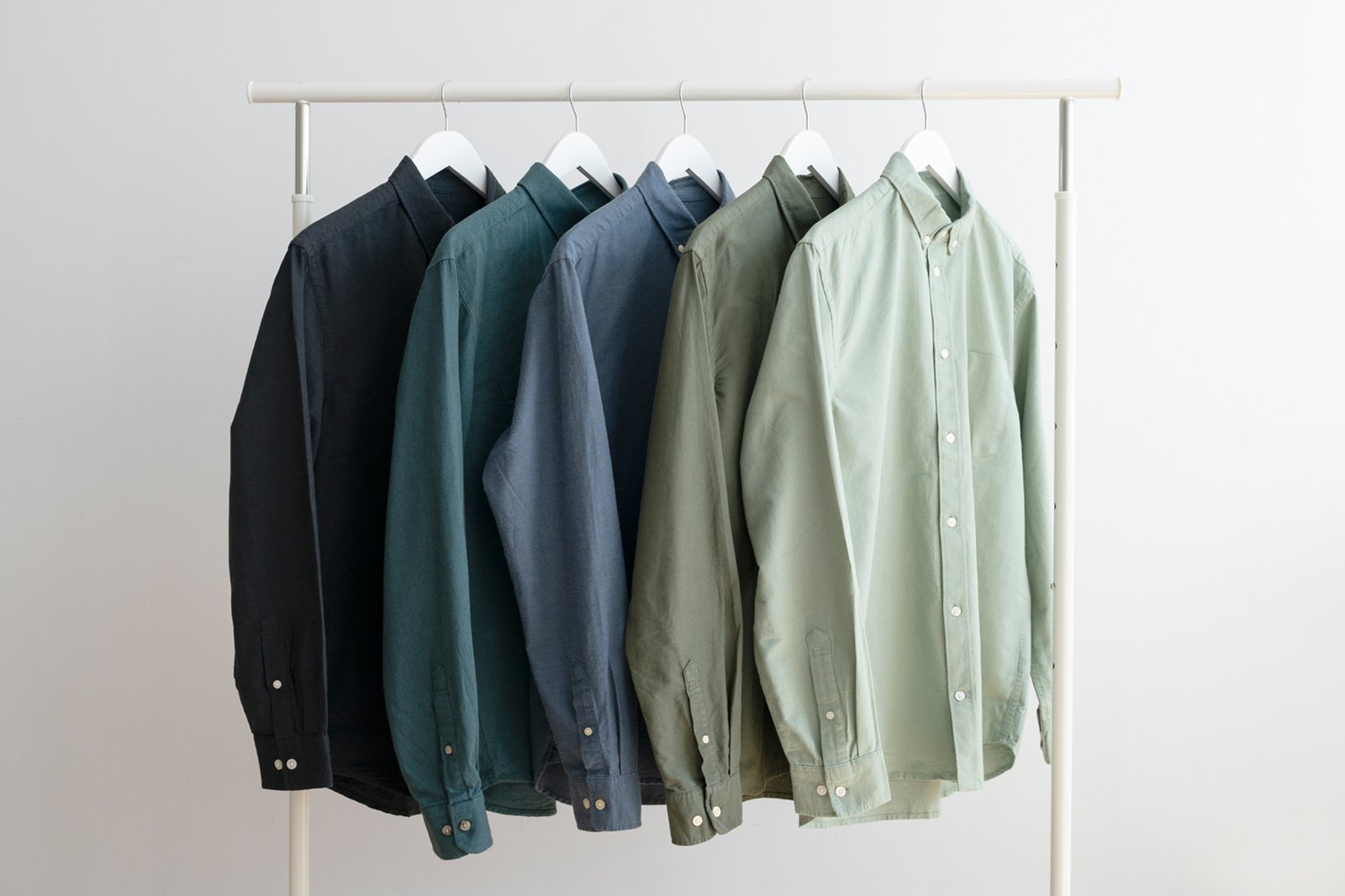
Linen has long been a quietly elegant fabric. People love it for shirts because it has a natural texture, breathes well and is always in style. We think of linen shirts as more than just clothes at Cirocco. They are works of art made from fine cloth that should be treated with care and respect. Taking care of linen keeps it looking good and makes it last longer, so it will be a classic in your wardrobe for years to come. Gentle Washing for Lasting Strength Washing beautiful linen fabric gently is the first step in keeping it nice. Always read the label for instructions. Most of the time, washing by hand or using a gentle machine cycle works best. Use gentle detergents that don’t have harsh chemicals in them. Strong chemicals can damage natural fibres. To keep the texture and colour of linen shirts, wash them in cold or lukewarm water. Don’t put too many clothes in the washing machine at once. Linen is a shirt fabric that lets air through and needs space to move around in water. This helps the fibres relax and stops creases from becoming permanent. The Right Way to Dry Linen Shirts Linen changes in shape and strength as it dries. The best way to care for a linen shirt is to let it air dry. Lay it flat on a clean surface or hang it on a sturdy hanger to keep its form. Don’t tumble dry at high heat, as it can damage the fibres. It’s okay to be in the sun for a little while, but too much sun can fade colours. If you can, dry in the shade. If you dry linen slowly, it will stay soft and not shrink. With a little time, your linen fabric will get old elegantly. Smart Ironing Tips for a Crisp Finish People say that linen wrinkles easily, but this is just part of its personality. The best time to iron a linen shirt if you want it to seem sharper is when it is still a little moist. Set the iron to medium to hot and add steam. To keep the fabric’s finish safe, always iron on the wrong side. You don’t have to iron at all if you want a relaxed and natural look. Let the gentle wrinkles shine through; they make this expensive cloth even more beautiful. Best Practices for Storing Linen Shirts Taking care of the shirt fabric is vital when storing it. Always store linen shirts in a dry, cool place. Use cushioned or wooden hangers to help them keep their shape. When you fold them, put tissue paper between the folds to keep them from getting sharp creases. Don’t put them in plastic covers since natural textiles like linen need to breathe. A linen shirt that is preserved properly stays fresh and ready to wear for any occasion. Quick Action for Stain Removal Stains are easier to deal with if you treat them right away after an accident. Instead of pressing the stain, which can force it further into the fibres, gently blot it with a moist cloth. Use moderate stain removers that are safe for natural materials. After cleaning, wash the clothing like you normally would get rid of any leftover dirt. A Fabric That Lasts with Care People have loved linen for hundreds of years because it is strong and lasts a long time. A linen shirt gets softer and comfier every time you wear it if you take care of it. This is why linen is one of the most sought-after shirt fabrics in the world. We have over 90 years of experience at Cirocco, specialising in finding and selling the finest shirting fabrics. Our linen collection combines traditional and modern styles and is made for people who value quality and detail. We think that taking care of a shirt is just as important as choosing it because we are one of India’s leading fabric suppliers. A linen shirt is a good investment in elegance and comfort. It lasts a long time if you take care of it, just like the values Cirocco has passed down over the years. Luxury fabric demands care and with a few easy actions, your linen shirts will stay as elegant and long-lasting as the day you bought them. Get in touch with us if you want to know more about luxury fabrics.
How Cotton Fabric Gets Its Colour: A Deep Dive into the Dyeing Process of Luxury Shirting Fabrics
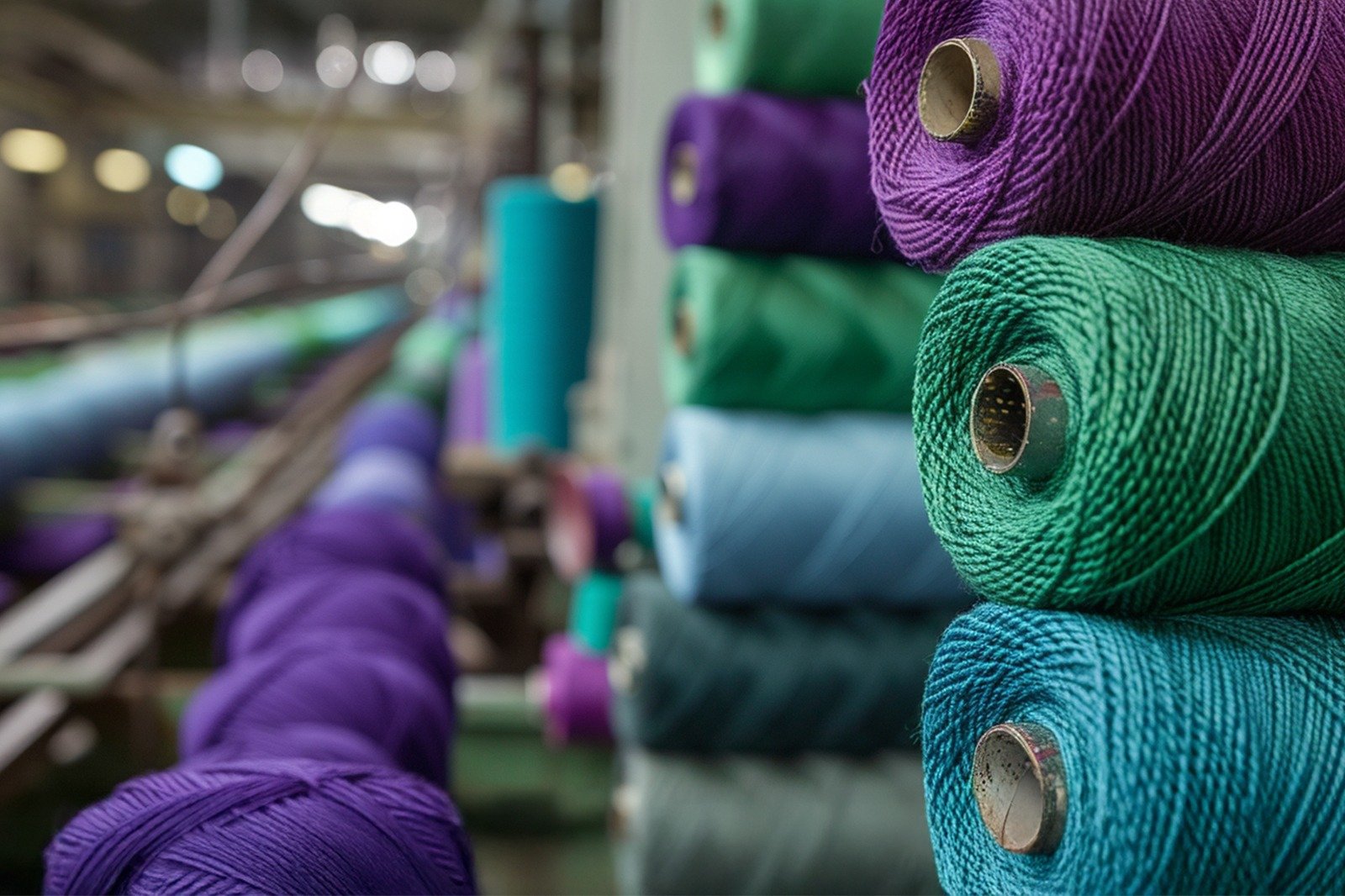
Colour has always shaped the identity of fine clothing. In luxury shirting, the shade of the cloth defines style, mood and refinement. From classic white shirt fabric to bold stripes in cotton shirt fabric, the dyeing process is what brings life to every piece. Behind each colour lies centuries of craft, science and innovation. A Brief History of Cotton Dyeing For millennia, cotton dyeing has left its mark on human culture. Its history is as deep and vibrant as the fabrics themselves. Archaeological evidence from the Indus Valley shows dyed cotton textiles as early as 2500 BCE. Natural dyes from plants such as indigo, madder and turmeric were used for centuries. Indigo became one of the most traded dyestuffs in history, prized for its deep blue shade on cotton shirt fabric. The industrial revolution in the 19th century introduced synthetic dyes. These offered a wider palette, greater consistency and improved durability. Today, reactive dyes dominate high-quality production, giving modern shirt fabric the vibrancy and colorfastness demanded in luxury market. The Natural State of Cotton Cotton in its raw form is usually off-white or cream. Some heritage varieties appear in pale browns or greens, yet these are rare. The neutral base shade makes cotton ideal for dyeing. Its cellulose structure absorbs colour well, producing the clarity and richness associated with luxury shirting. Preparing Fabric for Colour Before dyeing, cotton shirt fabric goes through essential pre-treatment. This ensures an even surface and bright results. Desizing removes starches and weaving agents. Scouring cleans oils and waxes from the fibre. Bleaching creates a uniform base for consistent shades. These critical steps ensure even colour, without them, the fabric may appear uneven or dull. The Science Behind Modern Dyeing Reactive dyes are the leading choice for cotton shirt fabric. They bond chemically with cellulose fibres, forming a permanent link. This creates long-lasting shades that resist washing and exposure to light. Studies show that reactive dyes achieve fixation rates of up to 90%. By comparison, older dye classes such as direct or vat dyes perform at lower levels. For luxury shirting fabrics, this permanence is essential. A premium shirt fabric must hold its colour through years of wear. Key Methods of Dyeing Different dyeing methods suit different types of shirting fabrics. Piece Dyeing This process colours entire rolls of woven fabric. It is widely used as solid colours in formal shirting, ensuring uniformity. Yarn Dyeing In this method, yarns are dyed before weaving. It is essential for stripes, checks and complex patterns. Yarn-dyed fabrics have a richness and depth that elevate premium shirting. Garment Dyeing Here, the finished shirt is dyed as a whole. This creates a slightly varied, casual look. While less common in luxury shirting, it is valued in fashion-led designs. Colour Fastness and Finishing Once dyed, fabrics undergo treatments that fix the colour and improve performance. Soaping removes excess dye. Fixation processes secure the bond between the fibre and dye molecule. Finishing treatments add softness and enhance colour brilliance. Achieving consistency in luxury shirting requires these steps. A fine cotton shirt fabric must look fresh and refined long after it leaves the loom. Sustainability and Innovation Traditional dyeing consumes large volumes of water and energy. Today, sustainability drives new practices. Mills employ low liquor dyeing machines, water recycling and digital shade matching. These technologies reduce environmental impact while keeping colour quality intact. Cirocco’s Expertise in Colour and Fabric Cirocco Fabrics has worked with cotton for over 90 years. We partner with leading mills in India and abroad, accessing the best dyeing technologies. Our collection includes both piece-dyed and yarn-dyed shirt fabric, selected for luxury and timeless appeal. Cirocco’s philosophy rests on a belief that fabric colour is more than decoration. It is integral to elegance and identity. Each piece of cotton shirt fabric we offer reflects decades of expertise and a commitment to excellence. By combining tradition with innovation, Cirocco ensures its fabrics embody both refinement and durability. Conclusion The dyeing of cotton has travelled from natural pigments of the ancient world to the precision chemistry of today. It is a journey that blends history, science and craft. Each stage, from pre-treatment to finishing, shapes the vibrancy and longevity of luxury shirting fabrics. For those who value fabric that is both timeless and meticulously crafted, colour is the silent signature of quality. Cirocco, with its legacy and expertise, offers cotton shirting fabrics where every shade tells a story of skill and care.
Why Old-School Style Is Making a Comeback in Men’s Fashion
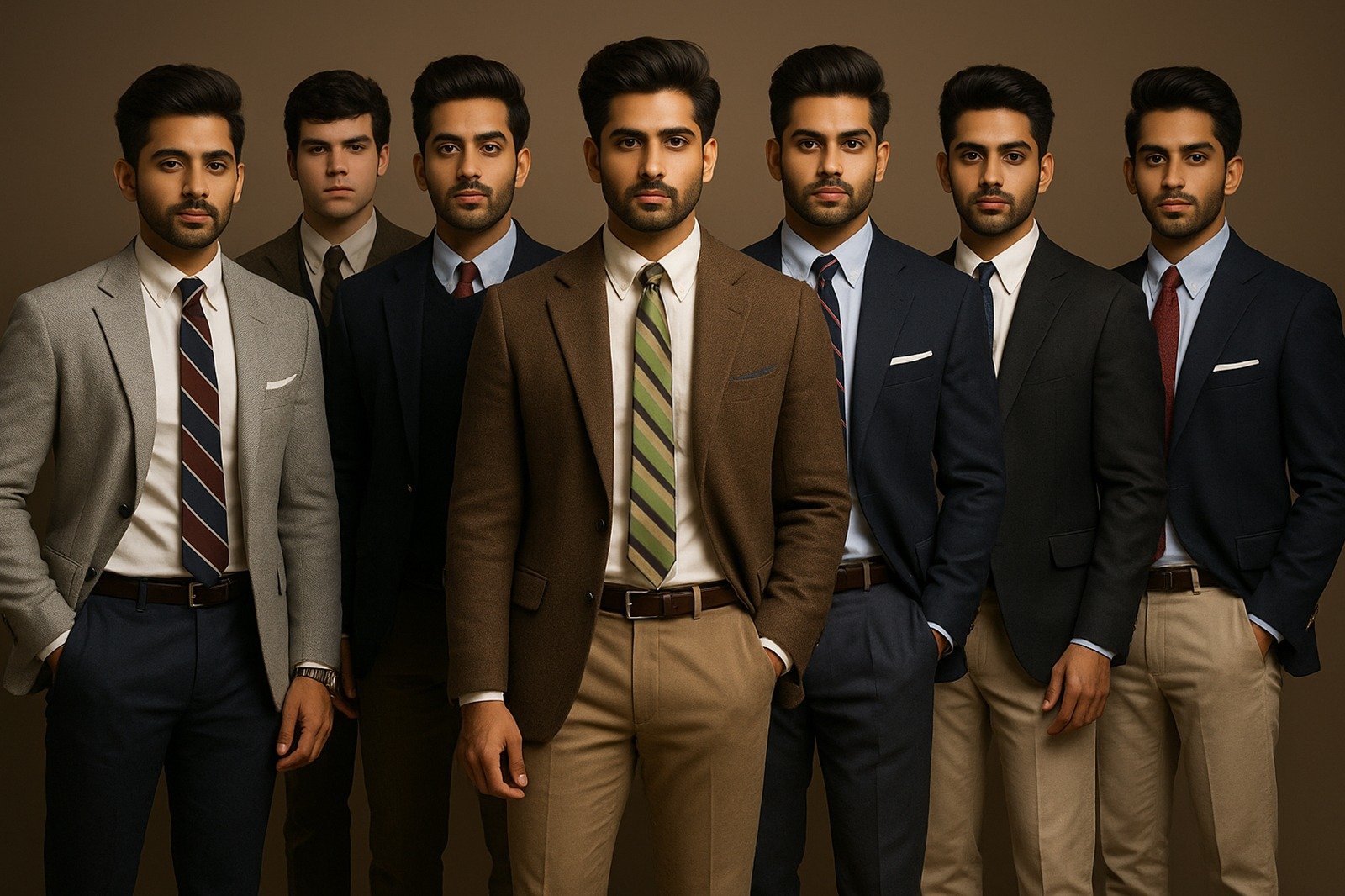
People often say that fashion goes in cycles. Things that were once forgotten eventually coming back into style. Men across the world have become more interested in traditional clothing in the last several years. The Ivy League and preppy styles that were popular in the middle of the 20th century are once again affecting how men dress today. The Ivy League Look In the 1920s and 1930s, Ivy League style initially appeared on the campuses of top American institutions. By the 1950s, this was the most popular way for men to dress smart casual. The outfit was a mix of classical tailoring and sportswear that was designed to be worn every day. Blazers, Oxford shirts, chinos, loafers and knitwear were all must-haves. The Ivy League jacket had a loose fit, with smooth shoulders and a three-button roll that made it hang naturally. This approach was different from strict formality. It was fitted but comfy and it was stylish but useful. People wore the Oxford cloth button-down shirt (OCBD) with suits and blazers. It was first made for polo players. Penny loafers and brogues supplanted the more formal Oxford shoes. Khaki chinos, which were acquired from military excess during World War II, are now a permanent part of Ivy League clothing. President John F. Kennedy became a symbol of this style, showing how easy it was to wear traditional tailoring. His impact helped the Ivy League look move from college life to everyday dress. The Rise of Preppy Style By the 1960s, Ivy League style had changed into what people called “preppy” style. The mood was lighter, but the essence stayed the same. Chinos came in more than just beige and grey; they also came in colourful colours. Polo shirts and sweaters with cable-knit patterns became important parts of the wardrobe. Casual chic started to take the place of formal neatness, yet it still looked polished. People started to think of preppy style as being about leisure, sailing, tennis and summer vacations. It stood for comfort, tradition and luxury. By the end of the 20th century, it had become a well-known style of men’s clothing that was different from but closely related to the Ivy League appearance. Pop Culture and Revival Movies and TV shows have done a lot to bring these forms back. Shows like Mad Men showed off the sharp tailoring of the 1960s, which made people want to wear tight suits and narrow ties. Peaky Blinders showed how cool heritage tailoring can be with waistcoats, pocket watches and newsboy caps. Suits had an impact on a generation of young professionals who liked the clean lines and confidence of corporate power dressing. Younger people have rediscovered the elegance of old-school menswear through these portrayals. What used to only be in history books is now on runways, social media and in everyday clothes. The Indian Connection Indian males are part of this worldwide rediscovering. Streaming services, international periodicals and online fashion content have all introduced Western-style trends to people in cities. A lot of people want to be like the people in these stories. They indicate that clothes are a sign of success, intelligence and being unique. Young professionals in cities like Mumbai, Delhi and Bangalore are buying classic pieces that are influenced by Ivy and preppy styles. People now like crisp shirts, fitted blazers and flexible chinos more than short-lived seasonal trends. This shows that people are moving toward clothes that have cultural significance and will last a long time. Why the Comeback Matters Old-school fashions are popular today because they are more than just trendy. They show a way of thinking. The Ivy League style shows that you value history and learning. The preppy style says that you have money and free time. Both show refinement through their simplicity. A lot of men these days want clothes that will last, not clothes that go out of style quickly. They like clothes that are simple and elegant, that can be used for work, travel and social events. That’s exactly what old-school menswear does. It lets men make wardrobes that are classy, flexible and never go out of style. Cirocco’s Role in Classic Menswear We at Cirocco think that the return of Ivy League and preppy designs shows a deeper truth: real style comes from using high-quality materials and doing careful work. When a man buys a blazer made of excellent wool or a shirt made of high-quality cotton fabric, he is not only buying something nice to wear, but also something that will make him feel good about himself and his heritage. Cirocco produces luxury fabrics that are the basis for these traditional styles. We help guys who want to dress in a way that is both classic and modern, combining tradition with modern style. Our high-end fabrics bring the Ivy League look and the preppy renaissance to life in a unique way for guys who like these classic trends. Get in touch with us if you want to style like a proper gentleman.