

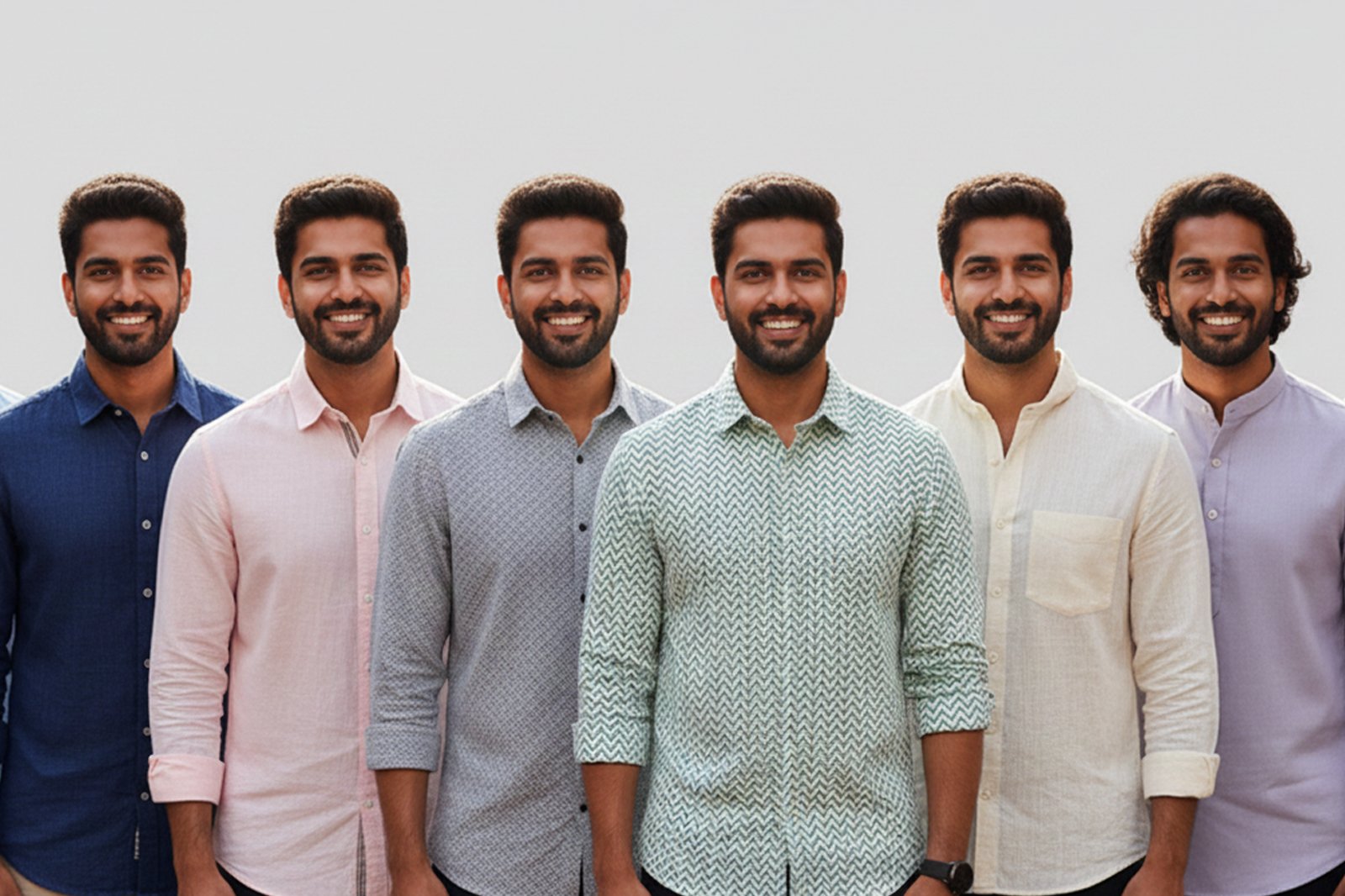
The formal shirt is one of the most essential garments in a man’s wardrobe. It speaks of discipline, refinement, and taste. Yet behind every sharply tailored shirt lies something more fundamental than its cut or colour: the fabric. The choice of fabric determines how the shirt drapes, breathes, feels against the skin, and even how it ages.
In a world that values both craftsmanship and comfort, understanding formal shirt fabric is no longer a luxury. It is a necessity.
The Language of Fabric
Ask any master tailor or designer what separates a good shirt from a truly great one, and the answer is always the same: fabric. The right fabric transforms a simple pattern into something remarkable. Its weave, fibre, and finish decide how the shirt feels, how it moves, and how it holds its shape through time. In the world of formal shirt fabric, cotton, linen, silk, and blended materials reign supreme. Each brings its own texture, weight, and character, giving the shirt a distinct personality and purpose. There is no universal formula for choosing the best fabric for formal shirts. The perfect choice depends on what you value most — the crispness of poplin, the softness of twill, the quiet sheen of silk, or the breathability of linen. True style lies in understanding that fabric is not just a material; it is the foundation of expression and the measure of refinement.
Let’s examine the various types of formal shirt fabrics and how they fit into today’s wardrobes.
1. Poplin: The Modern Minimalist
Poplin, often referred to as broadcloth, is the unsung hero of formal shirts. It features a smooth, simple weave that feels soft but keeps its shape perfectly. The fine yarns create a smooth and cool-to-the-touch surface. Poplin is ideal for city life, boardrooms, interviews, and evenings when accuracy is crucial.
A white poplin shirt paired with a blue suit remains one of the most powerful combinations in men’s fashion. It shows that you are confident without trying. Poplin is a basic fabric that everyone should start with when making a capsule wardrobe.
2. Twill: The Confident All-Rounder
Twill weaves are instantly recognisable for their subtle diagonal lines. The texture gives the fabric a luxurious weight and a gentle drape that sits beautifully under tailoring. Twill also resists wrinkles better than poplin, which makes it ideal for long workdays and travel.
From Bengal stripes to deep solids, twill allows colours to appear richer and more dimensional. It works equally well for formal business wear or elegant evening attire. When choosing the best fabric for formal shirts, twill sits confidently near the top, combining practicality with elegance.
3. Oxford: The Relaxed Aristocrat
Oxford cloth has a long and storied history. It was once associated with British university style, but now it lies somewhere between formal and casual. The basket-weave pattern makes it rough and hearty. It is thicker than poplin, but not so thick that you can’t wear it beneath a jacket or light suit.
The Oxford shirt is excellent since it can be worn in many different ways. On a Friday afternoon, you can wear it with a tie or leave the collar free. Oxford fabric remains a classic choice for professionals today who seek both style and comfort.
5. Herringbone: The Discreet Sophisticate
The herringbone weave gets its name from the fact that it looks like the skeleton of a herring fish. It makes a nice zigzag pattern. This fabric catches the light in little ways, which makes solid hues look deeper. It feels smooth, rich, and very European.
Herringbone shirts look especially well-suited for winter. They look great with textured wool suits or beneath a cashmere blazer. A well-cut herringbone shirt shows that you care about details and craftsmanship, which is something that never goes ignored.
6. Dobby: The Understated Statement
Dobby fabrics have small geometric patterns that are woven into the fabric. The end product is intricate, yet not overly complex. These small textures reflect light in different ways, which adds depth to the design without making it too cluttered.
Dobby shirts are great if you want to stand out without being too formal. They look terrific with a solid tie or a more up-to-date suit. In a world where men’s fashion often values simplicity, the dobby weave allows tiny variances to show through.
7. Linen: The Breath of Summer
Linen is often regarded as a casual fabric. Yet, it has also found a place in formal attire, particularly in warmer climates. Designers who make summer formals love it because of its natural texture and ability to wick away moisture.
A well-fitted linen shirt gives off a casual formality that doesn’t appear forced. It seems like you know what you’re doing when you wear it with a light blazer or chinos. For a long time, European-style icons have said that linen is the sign of a well-travelled guy.
8. Cotton-Silk Blends: The Luxe Performer
When cotton and silk come together, the result is sheer elegance. These mixtures possess the softness and shine of silk, combined with the breathability of cotton. The fabric is soft and luxurious, yet still wearable.
People commonly wear silk shirts to fancy meals, evening parties, or other formal events when they want to look their best. The shine adds a touch of glamour, but not too much. It is the epitome of sophistication.
9. Stretch Blends: The Modern Solution
Modern tailoring is as much about movement as it is about appearance. Stretch blends, usually cotton combined with elastane or Lycra, have transformed the way formal shirts are worn. They allow for flexibility, retain their shape, and ensure comfort throughout long days of work or travel.
This innovation marks a shift in how we define formalwear. The modern man demands practicality without compromise, and fabric manufacturers have risen to the challenge with intelligent weaves that respond to the body.
The Role of the Fabric Manufacturer
Every well-made shirt begins with a skilled fabric manufacturer. The best mills in Italy, England, and India have spent decades learning how to blend tradition with new ideas. They work with different fibres, experiment with weaves, and perfect the finishing process until the cloth feels exactly right.
Designers and manufacturers work side by side. The designer shapes the vision, and the manufacturer brings it to life. Together, they create the foundation of every shirt. The fabric gives the collar its form, the cuff its edge, and the pleat its clean line.
Choosing the Right Fabric for the Right Moment
Selecting the best fabric for formal shirts depends on more than personal taste. It is about understanding context.
For corporate formality: Choose poplin or twill for their clean lines and sharp presence.
- For elegant versatility, pinpoint Oxford or herringbone adds character without sacrificing polish.
- Linen or stretch cotton blends keep you looking put together even in hot weather or when moving around.
- For special occasions, Cotton-silk blends bring sophistication to black-tie events.
Each fabric tells its own story. When chosen thoughtfully, it complements the wearer’s rhythm, profession, and sense of style.
A Final Word
Fashion has always been about how fabric and shape interact. The shirt, which looks to be a simple piece of apparel, is an excellent illustration of this discourse. The quality of the materials determines whether anything is good, regardless of how fashion trends or dress codes progress.
You feel as if you are part of a wonderful outfit. It moves with your body, breathes through your skin, and reflects how you feel. Finally, the ultimate luxury is not just wearing fine fabrics, but also knowing how to use them.
FAQ
1. What is the best fabric for formal shirts?
There’s no single winner here. If you want something crisp and polished, go for poplin. If you prefer a bit of texture and weight, twill or Oxford are great picks. For hot weather, linen or cotton-linen blends work best. It all depends on when and where you’re wearing the shirt.
2. Which fabric is most comfortable for all-day wear?
If comfort is a top priority, go with twill or stretch cotton. They move with your body and do not wrinkle easily. You'll look great even after a long day of meetings or travel.
3. Are linen shirts good for formal occasions?
Yes, if you style it the right way. A linen shirt that fits well with a blazer looks both classy and casual. It's perfect for weddings in the summer, beach parties, or work trips to warm places.
4. What makes Italian and English fabric manufacturers so special?
For generations, they have been doing this. Mills in Italy, England, and India are known for their high-quality fibres, precise weaving, and careful attention to detail. They think that making fabric is an art. That's why shirts made from their fabric usually look and feel better.
5. How do I choose the right shirt fabric for my lifestyle?
Think about your daily routine. If you spend a lot of time in air-conditioned offices, poplin or twill works well. If you travel often, stretch blends make life easier. And if your days are more relaxed or creative, try Oxford or linen for an easy, confident look.