

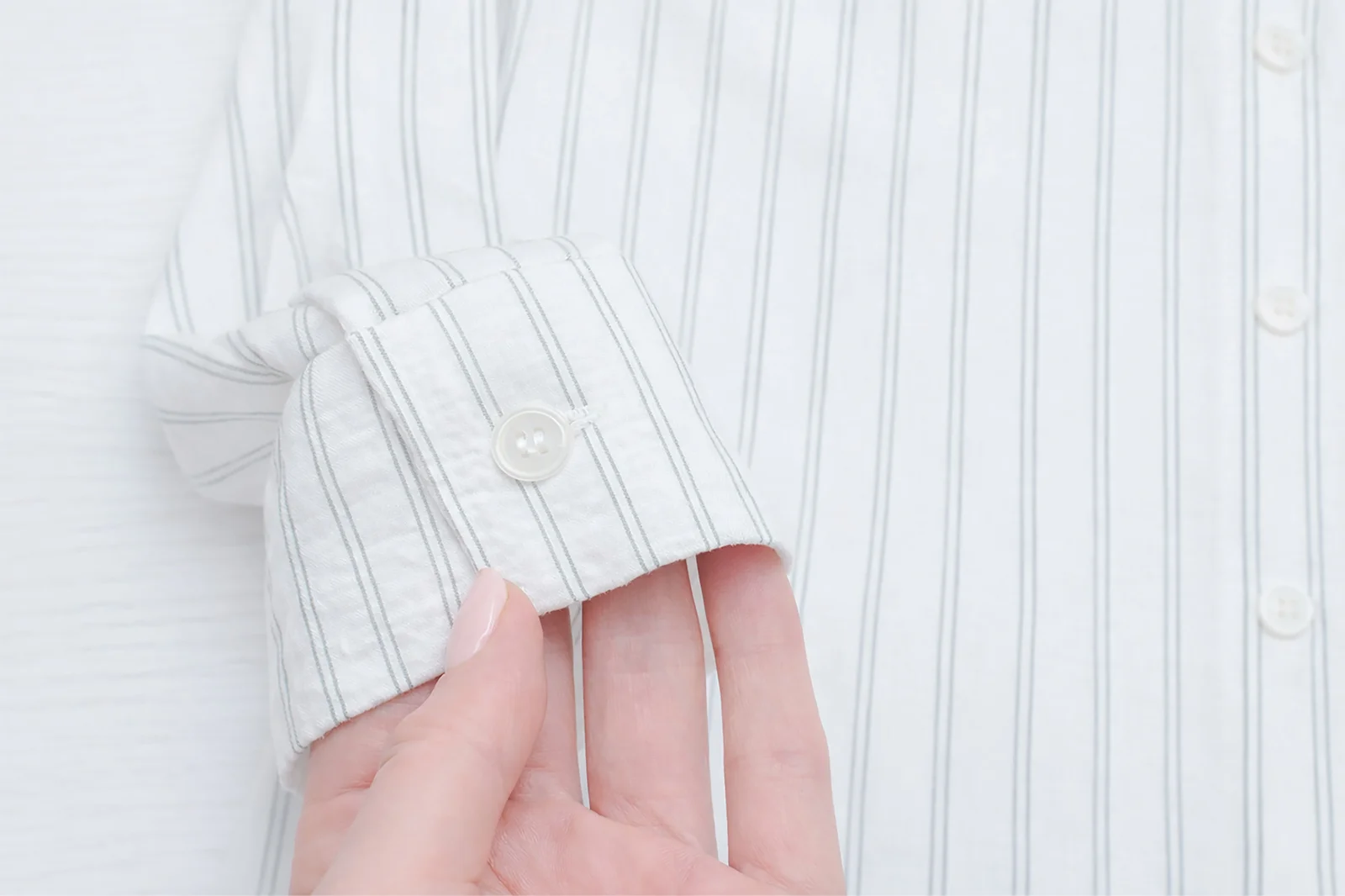
A good shirt always begins with good fabric. Before colour, before style, before brand name. If the fabric is poor, the shirt will show it within a few washes. If the fabric is well made, it holds its shape, feels comfortable on the skin, and ages gracefully.
The challenge is that quality is not always obvious at first glance. Retail lighting, packaging, and clever marketing can distract you. So instead of guessing, it helps to follow a simple step by step method that works whether you are buying from a premium store or a local market.
Here is how you can check shirt fabric like someone who knows what they are doing.
Step 1: Start with the Label
The label is your first honest clue.
Look for the fibre composition. For everyday shirts, 100% cotton is often a reliable starting point. Cotton blends can also be good, but the percentage matters. A shirt that says 60% polyester and 40% cotton will feel and behave very differently from one that is mostly cotton.
Pay attention to the type of cotton if it is mentioned. Terms such as Egyptian cotton or Supima cotton usually indicate longer fibres, which often produce smoother and stronger yarn.
Also check the care instructions. A well made fabric is usually designed to survive regular washing without losing its structure. If the label already warns about excessive shrinkage or delicate handling for a basic shirt, consider that a sign to inspect more closely.
Step 2: Feel the Fabric Properly
Touch still conveys more than any marketing copy.
Run the fabric through your fingers. High-quality fabric feels smooth, consistent, and firm without being stiff. It should not feel too thin or papery, unless the shirt is intended to be lightweight summer wear.
Now, gently rub the surface. If you notice excessive fuzz or roughness before purchasing the shirt, it may begin to pill after a few washes.
Also, try the crease test. Hold a small section in your fist for a few seconds before releasing it. Better shirt fabric recovers quickly and doesn’t hold deep wrinkles.
Step 3: Hold It Up to the Light
This is a simple trick that experienced buyers use often.
Hold the shirt against a light source and observe the weave. The fabric should look even and tightly constructed. If you see irregular gaps or inconsistent thickness, the yarn quality or weaving process may be poor.
A very transparent shirt when it is not designed to be lightweight usually means the threads are too thin or loosely woven.That often leads to quicker wear and tear.
Step 4: Check the Weave Type
Different weaves affect how the shirt behaves.
Poplin, for example, has a smooth, tight weave and works well for formal shirts. Oxford cloth feels slightly thicker and more textured, making it suitable for everyday use. Twill fabrics show a faint diagonal pattern and often resist wrinkles better.
You do not need to memorise textile science. Just understand that the weave should look consistent and feel appropriate for the purpose of the shirt.
If a formal shirt feels overly coarse or an everyday shirt feels fragile, something is off.
Step 5: Examine the Stitching Around the Fabric
Even the best fabric can be ruined by poor craftsmanship.
Look closely at the seams. Stitches should be straight, evenly spaced, and tight. Loose threads or uneven stitching are common indicators of rushed manufacturing.
High-quality shirts typically have a higher stitch count per inch. You don’t have to count every stitch, but you can compare two shirts side by side to see which one appears cleaner and more precise.
Check stress points such as the collar, cuffs, and side seams. These sections demonstrate how well the fabric was handled during production.
Step 6: Look Into the Fabric Manufacturer or Brand History
Reputation still matters.
If the manufacturer has been producing shirts for many years, there is usually a reason. Established textile mills and brands often maintain consistent standards because their name depends on it.
You do not need to spend hours researching. A quick look at the brand’s background, where the fabric is sourced from, and whether they specialise in shirts can give useful context.
A brand that openly shares information about its mills or sourcing practices tends to be more confident about its product.
Step 7: Check Weight Without Overthinking It
Fabric weight influences both durability and comfort.
A very lightweight shirt is ideal for humid weather, but it should still feel strong when held. If the material feels flimsy or weak, it might not last long.
In contrast, a heavier shirt should not feel rigid or uncomfortable. Good shirt fabrics strike a balance between structure and comfort.
Simply hold the shirt by the shoulders and allow it to fall naturally. Quality fabric usually drapes nicely rather than hanging awkwardly.
Step 8: Trust Your Second Impression
After you go through all these checks, step back and look at the shirt again.
Does it still feel well made? Does the fabric look consistent across panels? Does it feel like something that will improve with wear rather than deteriorate?
Often your second look is more accurate than your first reaction.
Final Thought
Identifying quality fabric is less about memorising technical terms and more about building a habit of observation. Read the label, feel the material, study the weave, and notice the finishing. With a bit of practice, you will start spotting a well made shirt within seconds.
In the end, good fabric respects your time and money. It lasts longer, looks sharper, and becomes more comfortable the more you wear it. That is always worth the extra attention at the start.
FAQ
How can I tell if a shirt fabric is good quality before buying it?
The easiest way is to slow down and actually handle the shirt. Read the label first so you know what the fabric is made from. Then feel the material between your fingers. It should feel smooth, even, and reasonably strong. Hold it up against light and check that the weave looks tight and consistent. If it already feels thin, rough, or slightly uneven in the shop, it will probably wear out faster at home.
Is 100% cotton always the best fabric for shirts?
It is often a safe choice, but it is not the only good one. Pure cotton is comfortable, breathable, and suits daily wear. That said, some blends can be useful if you want less creasing or easier maintenance. What matters more than the percentage alone is how the fabric feels and how well it is made. A well-made blend can outlast a poorly made cotton shirt.
Why do some shirts lose shape or look worn after just a few washes?
In many cases, the fabric was not strong to begin with. Short fibres, loose weaving, or rushed manufacturing can all reduce durability. When the fabric is weak, washing and regular use quickly cause fading, twisting, or sagging. Shirts made from better quality fabric and stitched properly tend to hold their structure and look presentable for much longer.