

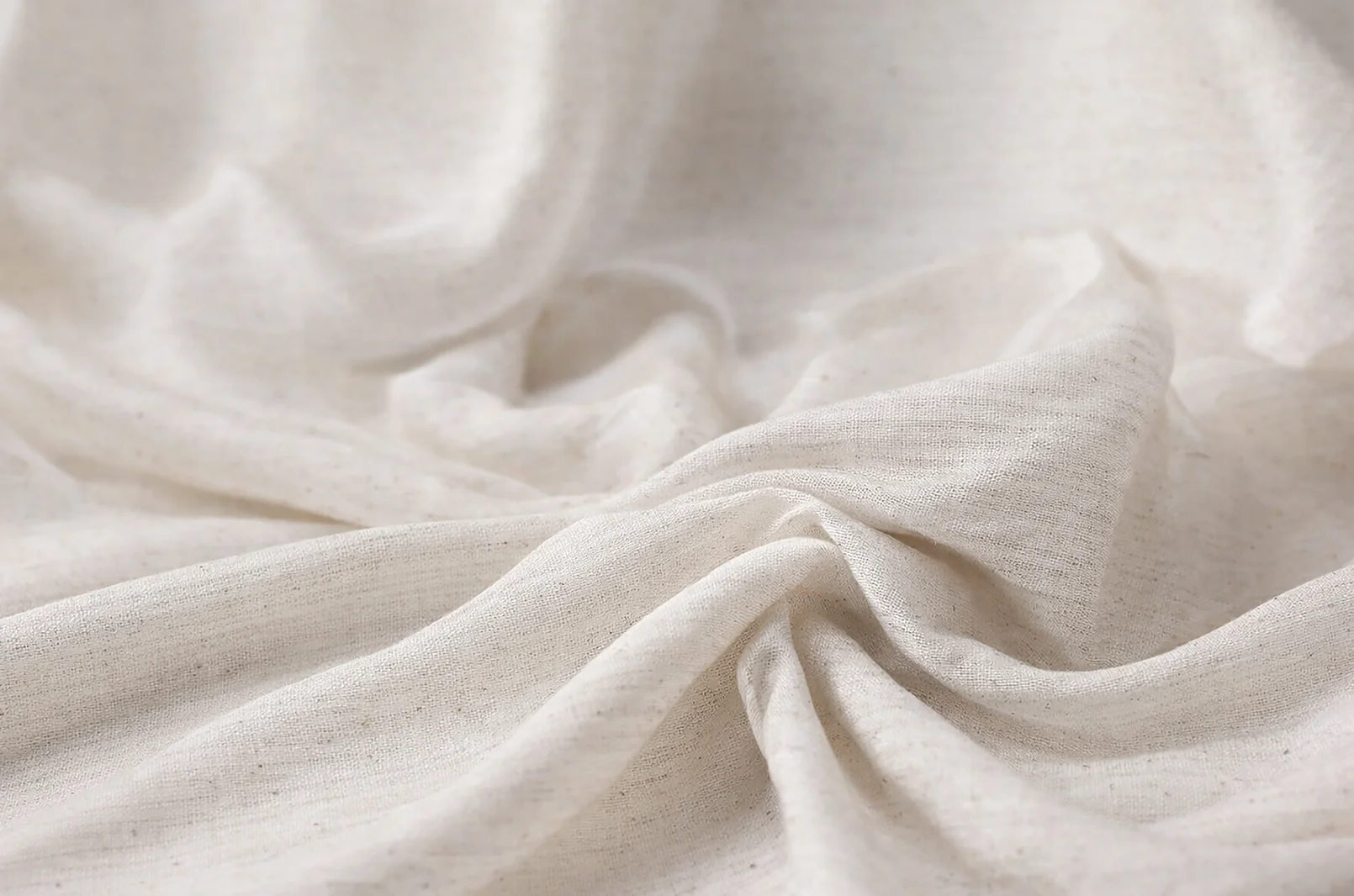
Summer tests fabric in a calm but demanding manner. When temperatures rise and humidity lingers in the air, the difference between comfort and discomfort is frequently determined by the structure of a garment rather than its design. Anyone who works with textiles knows this instinctively. The perfect fabric can carry a garment beautifully through the season, whereas the wrong one rapidly betrays its shortcomings.
Breathability thus becomes much more than a marketing phrase. It is a technological property that governs how a fabric reacts to heat, moisture and the human body. Understanding breathable textiles is critical for designers, manufacturers and clothiers who want to create garments that function effectively in warm conditions.
What Breathability Really Means
Breathability is a fabric’s ability to let air and moisture vapour travel through it. When the body produces heat, sweat naturally occurs. If the moisture becomes trapped within the garment, discomfort immediately develops. Air circulation slows, the fabric clings to the skin and the wearer feels warmer than the surrounding environment.
A breathable fabric regulates this exchange more effectively. It allows air to flow while encouraging moisture to evaporate rather than collect. The end result is a clothing that feels lighter on the body, even in harsh environments.
For individuals involved in fabric procurement or garment manufacture, breathability is seldom influenced by a single element. Fibre quality, yarn structure, weave construction and finishing procedures all have an impact on how well a fabric performs at high temperatures.
Fibre Choice Sets the Foundation
Breathability often begins with fibre selection. Natural fibres have long been favoured for warm climates because their internal structure allows moisture to move away from the skin more efficiently.
Cotton remains one of the most dependable choices in this regard. High quality cotton fibres possess a natural absorbency that helps draw perspiration away from the body while still allowing airflow through the fabric. When the cotton itself is long staple or extra long staple, the advantages become even more apparent. Finer yarns can be spun, resulting in smoother surfaces and lighter constructions that feel remarkably comfortable in warm weather.
Linen offers another compelling example. Derived from the flax plant, its fibres contain microscopic gaps that encourage ventilation. Linen fabrics rarely cling to the body. Instead, they maintain a slight separation between cloth and skin, allowing heat to dissipate naturally.
For summer garments, these fibres form the foundation of breathable design. Yet, fibre choice alone does not complete the story.
The Role of Yarn and Thread Count
Fabric breathability is also influenced by the way yarn is spun and assembled. Finer yarns often allow for lighter fabrics without compromising strength. This becomes particularly important in shirting fabrics, where comfort must coexist with durability and structure.
Thread count often enters the conversation at this stage. Higher thread counts can produce exceptionally smooth fabrics, yet breathability does not simply increase with the number itself. What matters more is the balance between yarn fineness and fabric construction. When carefully engineered, even high thread count cotton fabrics can remain remarkably breathable.
Extra long staple cottons such as Egyptian or Supima cotton illustrate this balance well. Their fibre length allows spinners to create fine yet strong yarns. These yarns can then be woven into fabrics that feel refined while still allowing air to move through the structure.
Weave Construction Matters More Than Many Realise
Beyond fibre and yarn, the weave itself plays a decisive role in breathability. The arrangement of warp and weft determines how open or dense the fabric becomes.
Poplin, for instance, offers a crisp and balanced structure that allows airflow while maintaining a polished appearance. Oxford weaves create slightly more texture and space within the cloth, enhancing ventilation. Linen weaves tend to feel even more relaxed because of their natural irregularity, which encourages air movement across the surface.
Designers often select these weaves not only for their aesthetic character but also for their seasonal practicality. In summer shirting, a well chosen weave can significantly improve comfort without altering the visual elegance of the garment.
Moisture Management and Comfort
Breathability is closely tied to how a fabric handles moisture. In warm conditions, perspiration is inevitable. The key question becomes how efficiently the fabric manages it.
Cotton and linen absorb moisture readily, yet they also allow it to evaporate with relative ease when woven in breathable constructions. This process creates a cooling effect on the skin. The wearer may not consciously notice the mechanism, but the comfort is unmistakable.
Fabrics that trap moisture behave very differently. They cling, wrinkle under dampness and lose their structure. Over time, they can feel heavy and restrictive. For garments intended for summer wear, such characteristics quickly undermine even the most thoughtful design.
Why Breathability Matters for Designers and Clothiers
Breathable fabrics have a greater impact on professionals working in fashion and garment manufacture than simply comfort. They influence how a garment drapes, matures and performs over long periods of wear.
In shirting, breathability helps to maintain a neat silhouette. The cloth maintains its sharpness without appearing rigid. It moves naturally alongside the body while preserving its shape. These traits help bespoke tailors and ready-to-wear businesses create clothing that feel sophisticated throughout the day.
Breathable textiles also help clothing retain its elegance in warmer climes. Colours remain brilliant, surfaces are smooth and the user is at peace. These elements frequently influence whether a clothing becomes a seasonal favourite or is quietly removed from the wardrobe.
Choosing Fabrics That Work With the Season
When selecting fabrics for summer clothing, the goal is rarely excess complexity. Instead, the emphasis lies in thoughtful selection. High quality cottons, carefully woven linens and well balanced fabric constructions provide the foundation for garments that feel effortless to wear.
Professionals who understand this relationship between fibre, weave and climate can approach fabric selection with greater confidence. Breathability ceases to be an abstract concept and becomes a practical design principle.
A Final Thought
Summer clothing succeeds when fabric and climate work in harmony. Breathable materials allow garments to remain elegant without sacrificing comfort, which is precisely what discerning customers expect.
For designers, retailers and clothiers seeking premium shirting fabrics, access to reliable quality makes all the difference. Cirocco Fabrics has spent decades curating collections of superfine cotton and linen fabrics designed for both performance and refinement. With an extensive range of designs and a deep understanding of textile craftsmanship, the brand continues to support professionals who value both tradition and innovation.
If your next collection calls for fabrics that combine breathability with exceptional quality, the team at Cirocco is always ready to assist. Get in contact with our team today.
FAQ
Which fabrics are best for very hot weather?
Some fabrics handle heat much better than others. Cotton and linen are two of the most comfortable choices for hot weather. They feel light on the skin and allow air to move through the fabric. This helps the body cool down naturally during the day.
Why do some clothes feel hotter than others in summer?
Clothes might feel hotter when they retain heat and perspiration. When air cannot get through the material, the body is unable to cool itself adequately. Fabrics with improved ventilation are usually significantly more comfortable in hot temperatures.
Does fabric weight affect how cool a garment feels?
Yes, fabric weight is an essential factor. Lighter textiles typically feel cooler since they do not rest hard on the body. However, the type of fibre and how the fabric is woven are also important. A lightweight cloth with a good weave is frequently the most comfortable in the heat.
Are natural fabrics better than synthetic fabrics for summer clothing?
Natural fabrics are often preferred for summer clothing because they feel softer and allow better airflow. Materials like cotton and linen usually keep the body cooler than many synthetic fabrics, especially during long hours in warm weather.