

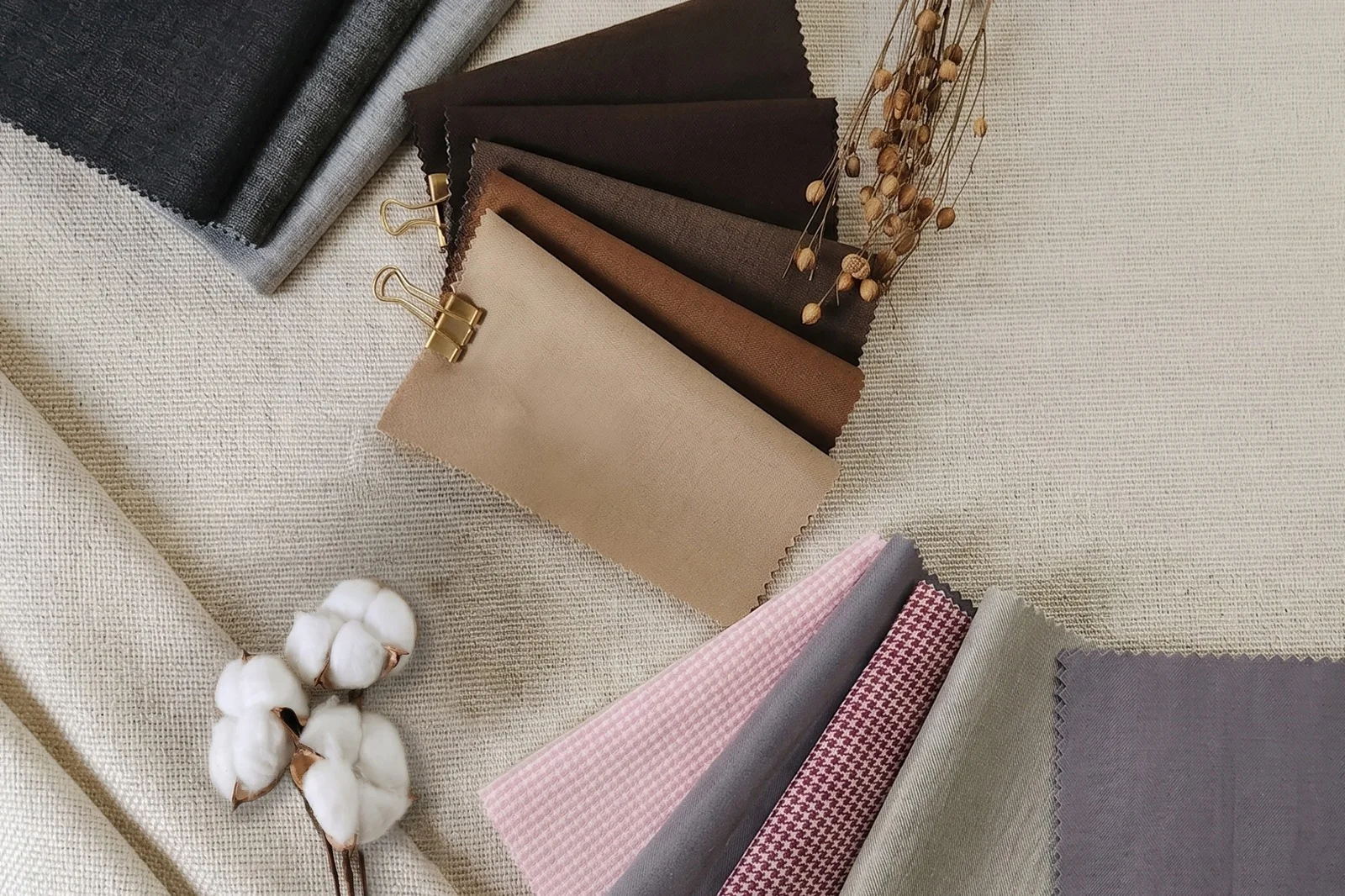
Pick up two cotton shirts. Same colour, same weight, both labelled “100% cotton”. One feels smooth and cool. The other feels a bit dry, maybe slightly rough.
That difference is real and it comes from more than just branding. Cotton is not one uniform material. It changes depending on where it is grown, how long the fibres are and how those fibres are handled before they become fabric.
If you are building a clothing line or simply trying to understand quality, this matters more than people think.
What Actually Changes the Feel of Cotton
At the centre of it is fibre length. In the textile world, this is called staple length.
Longer fibres spin into smoother yarn. There are fewer loose ends sticking out, so the fabric feels softer and more even. Short fibres create more joins in the yarn, which gives a slightly rougher texture.
Then comes spinning and weaving. A tightly woven cotton shirt feels crisp and structured. A knitted cotton T-shirt feels soft and flexible.
Finishing also plays a role. Some cotton is brushed to raise the surface and make it feel softer. Some is treated to add sheen or improve dye absorption.
Even the climate where the cotton grows matters. Soil, temperature and water conditions affect how the fibre develops.
With that in place, the differences between types of cotton start to make sense.
Upland Cotton
This is the cotton you will come across the most. It dominates global production and forms the base of most everyday clothing. The fibres are shorter compared to premium varieties. That is why it can feel slightly coarser when you compare it side by side with higher-grade cotton. That said, it is reliable. It holds colour well, handles regular washing and keeps costs manageable. This is why it shows up in everything from basic T-shirts to denim. If you are sourcing for scale, upland cotton often becomes the starting point.
Egyptian Cotton
Egyptian cotton is known for its extra-long fibres. The growing conditions along the Nile allow these fibres to develop fully. What you feel in the final fabric is smoothness. The yarn comes out finer, more uniform and softer to the touch. There is also a certain lightness, even when the fabric is tightly woven. It also ages well. With proper care, it becomes softer over time rather than wearing out quickly. This is why it is widely used in premium bedding and high-end shirts.
Pima Cotton
Pima cotton sits in a similar space to Egyptian cotton. It also has long fibres, which means you get that same smooth and soft finish. The difference is mostly about origin and consistency. Pima is grown in controlled regions, especially in the United States, which leads to more predictable quality. It feels soft without being too delicate. That balance makes it a strong choice for garments that need comfort but also daily durability. You will often see it used in better-quality T-shirts and innerwear.
Supima Cotton
Supima is a certified form of Pima cotton grown in the United States. It follows stricter quality standards from farming to final fibre. In practical terms, this means fewer inconsistencies. The fibres are long, clean and uniform. The fabric feels very smooth and holds its colour better over time. It also resists pilling, which helps garments keep their surface finish after repeated use. For brands, Supima offers something valuable. It reduces variation between batches, which helps maintain product consistency.
Organic Cotton
Organic cotton is about how the cotton is grown rather than the fibre itself. It avoids synthetic pesticides and fertilisers. That changes the farming process and also influences how the fibres are treated later. The feel can vary. Organic cotton can still be upland or long-staple. However, it often feels softer because it goes through fewer harsh chemical treatments during processing. There is also a slightly more natural hand feel to it. Less polished, but more breathable and comfortable for many people.
Combed Cotton
Combing is a refining step. After the cotton is spun, it is combed to remove short fibres and impurities. What remains are longer, aligned fibres. This creates a smoother and stronger yarn. You can feel the difference quite clearly. Combed cotton feels cleaner, softer and more even on the skin. It also tends to pill less because the shorter fibres have already been removed. This is why many quality T-shirts are labelled as combed cotton.
Carded Cotton
Carded cotton goes through a simpler process. The fibres are brushed and aligned, but the shorter fibres stay in the mix. That changes the texture. It feels slightly thicker, a bit more textured and less smooth compared to combed cotton. There is also a visual difference. Carded cotton can look more matte and slightly uneven, which works well for certain styles. It absorbs well, which makes it useful for towels and heavier fabrics. In garments, it gives a more rugged, everyday feel rather than a polished one.
Ring-Spun Cotton
Ring-spun cotton is about how the yarn is made. Instead of spinning the fibres quickly in a basic process, the fibres are twisted and refined continuously. This creates a finer, tighter yarn. The surface feels smoother because the fibres are packed more closely together. It also improves strength without adding weight. So the fabric feels soft but still holds up with regular wear. In T-shirts, the difference is easy to notice. Ring-spun cotton feels softer and more premium compared to standard open-end cotton.
Mercerised Cotton
Mercerisation is a chemical treatment, but the effect is very physical when you touch the fabric. The cotton fibres swell and become more uniform. This gives the fabric a smoother surface and a slight sheen. It also changes how the fabric handles dye. Colours appear richer and stay longer because the fibres absorb dye more effectively. When you run your hand over mercerised cotton, it feels cleaner and more refined. This is why it is often used in formal shirts and finer knitwear.
Slub Cotton
Slub cotton is made to be uneven. During spinning, the yarn is intentionally varied so that some sections are thicker than others. This creates a textured surface. When you touch it, you can feel those subtle changes across the fabric. Visually, it gives a relaxed, slightly raw look. It feels less uniform, more casual and a bit more breathable because of the variation in yarn thickness. It is widely used in casual T-shirts where the goal is to add character rather than achieve a perfectly smooth finish.
Why Fabric Construction Still Matters
Even with the best cotton, construction can change everything.
A woven cotton shirt, like poplin, feels crisp and structured. A knitted jersey feels soft and stretches with movement.
Thread count often comes up in conversation, especially with bedding. It does play a role, but fibre quality matters more. A high thread count with poor fibre will still feel average.
Finishing techniques also shape the final feel. Brushing, washing, or pressing the fabric can make it softer, smoother, or more structured.
Why Some Cotton Gets Better With Use
Good cotton changes with time. Washing relaxes the fibres and softens the structure of the fabric.
Long-staple cotton tends to improve with wear. It becomes smoother without losing strength.
Lower-quality cotton behaves differently. It may feel softer at first, but it can weaken or become rougher as the fibres break down.
Care also makes a difference. Gentle washing and avoiding harsh detergents help preserve the natural feel of the fabric.
Choosing the Right Cotton
There is no single “best” cotton. It depends on what you need.
- For everyday use and cost control, upland cotton works well.
- For a softer and more refined feel, Pima or Egyptian cotton makes sense.
- For consistency and branding, Supima offers reliability.
- For sustainability, organic cotton fits the brief.
- For texture and casual styling, slub cotton stands out.
When you understand these differences, you stop relying on labels alone. You start choosing based on how the fabric will actually perform.
Final Thought
Cotton looks simple from the outside. In reality, it is shaped by a chain of decisions, from farming to finishing. That is why two fabrics made from the same fibre can feel completely different. Once you start paying attention to fibre length, processing and construction, the differences become obvious. And that is where better choices begin.
If you want to look into a wide range of cotton fabrics, be sure to check out the Cirocco Fabric catalogue.
FAQ
Why does a cotton T-shirt sometimes feel softer in the store but worse after a few washes?
A lot of garments are finished with softening treatments to improve the feel on the rack. After a few washes, that coating fades. What you are left with is the actual quality of the fibre underneath. Better cotton, especially long-staple types, holds its softness because the fibre itself is smoother, not just treated to feel that way.
Is expensive cotton always better or is it just branding?
Price can reflect real differences, but it is not a guarantee. Long-staple cotton like Pima or Egyptian usually costs more because it takes more care to grow and process. At the same time, labels can be used loosely. The feel, weight and finish of the fabric often tell you more than the tag.
Why do some cotton fabrics start pilling while others stay smooth?
Pilling occurs when loose, short threads make their way out of the yarn, forming small balls on the surface. Fabrics created from longer fibres or combed cotton have fewer loose ends, so they remain smoother for longer. The manner theyarn is spun also influences how firmly the fibres are held together.
If two products both say “100% cotton”, what should I actually look for before buying?
Begin with how it feels in your hand. Check to see if the surface is even or somewhat hazy. Examine the fabric closely. A smoother, tighter surface typically indicates improved fibre quality or processing. If information is available, search for phrases like as combed, ring-spun, or long-staple. Those little clues frequently convey more than the simple label.