

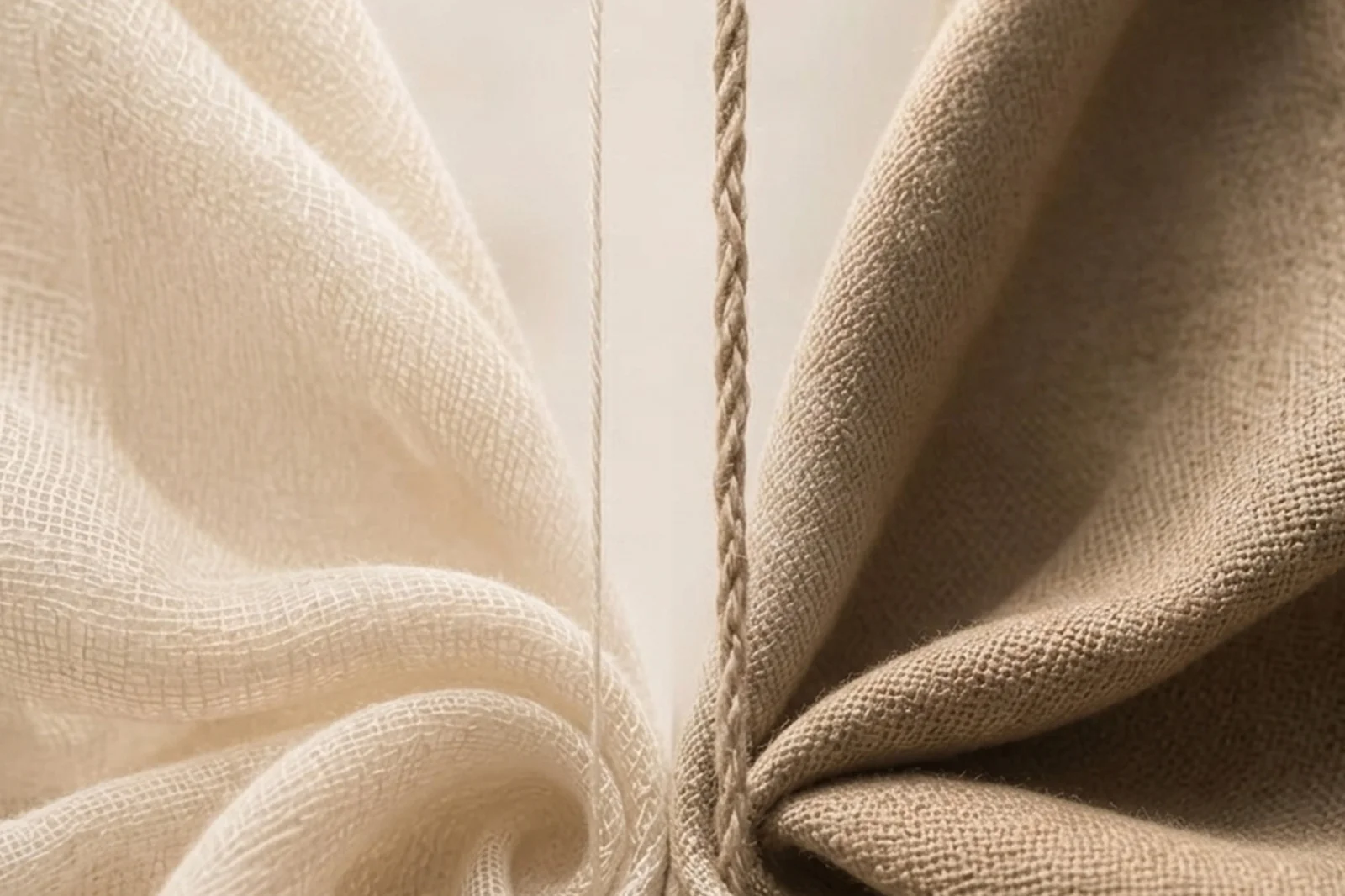
When you pick up a piece of fabric, you are likely thinking about how it looks and how it feels. What you may not consider is what is happening at the yarn level, long before the fabric ever reaches your hands. That is where ply comes in and understanding it can change the way you shop for and use textiles entirely.
What Does “Ply” Actually Mean?
In textile manufacture, ply is the number of separate yarn strands twisted together to create a single thread. The thread is then weaved or knit into the finished fabric.
A single-ply yarn uses just one strand. It is spun from fibres and used directly in weaving, with no extra twisting with another strand. A two-ply yarn, on the other hand, twists two of those single strands together before weaving begins. This seemingly minor change at the yarn stage has a considerable impact on the completed fabric’s character, performance and applicability for various applications.
Single-Ply Fabric: Lightweight and Breathable
Single-ply fabrics are manufactured with threads that include only one yarn strand. Because each thread contains less mass, the finished cloth is lighter and finer in weight. This gives it a natural breathability that makes it particularly well-suited for warm climates and summer garments.
Single-ply textiles tend to have a softer, more fluid drape. They flow smoothly with the body, which is why they are often used in shirts, inner linings, lightweight dress fabrics, and casual summer attire. Indian textile traditions have long favoured finely spun single-ply cotton and muslin for exactly this reason, as the fabric allows air to circulate and keeps the wearer cool even in intense heat.
However, the trade-off is durability. A single strand has less structural strength; therefore, single-ply fabrics are more prone to pilling, ripping, and wearing thin with regular usage and washing. They take some attention to retain their appearance over time.
Two-Ply Fabric: Strength Meets Refinement
Two-ply fabric is produced from threads made by twisting two yarn strands together. This process adds significant structural integrity to each thread and, by extension, to the entire woven or knitted cloth.
The result is a fabric that is noticeably more durable. The twisted construction resists pilling more effectively, holds its shape after repeated washing and stands up to the kind of everyday wear that would show signs of stress on a single-ply alternative. This makes two-ply an excellent choice for garments and textiles that need to last, such as tailored suiting, formal shirts, quality bed linen and upholstery fabrics.
There is also a tactile benefit. When two fine strands are twisted together and woven tightly, the surface of the fabric tends to feel smoother and more refined. High-thread-count two-ply cotton, for instance, is a staple in premium bedding precisely because it combines softness with longevity in a way that single-ply cannot consistently achieve at scale.
The slight downside is weight. Two-ply fabrics are heavier and less breathable than their single-ply counterparts, which makes them less ideal for lightweight summer applications. They are better suited to cooler seasons or structured garments where weight and body are desirable qualities.
How to Choose Between the Two
The right choice depends entirely on what you need the fabric to do.
If breathability, drape and lightness are your priorities, single-ply is the natural fit. It works beautifully for warm-weather clothing, casual linings and any application where comfort and airflow come first.
If durability, structure and a refined surface finish are what you are after, two-ply is the stronger option. It suits formal wear, home textiles that see daily use and any context where longevity is just as important as aesthetics.
For those working in apparel production or sourcing fabric for home furnishings, the ply count is worth factoring into your decisions from the very beginning. It affects not only how the finished product performs, but also how it ages, how it washes and ultimately how the end user experiences it.
Why Ply Matters in Quality Fabric Manufacturing
At Cirocco Fabrics, ply is not an afterthought. As one of India’s oldest fabric manufacturers, we understand that the decisions made at the yarn stage determine everything that follows. Whether we are producing lightweight cotton for garment manufacturing or durable two-ply cloth for home textiles, the construction of the thread is where quality begins.
The difference between a fabric that deteriorates after a season and one that holds its character for years often comes down to choices made long before the loom. Ply is one of those foundational choices.
Understanding it gives you the tools to ask the right questions, source more confidently and ultimately make better fabric decisions for whatever you are creating.
Looking for fabric that matches your specific requirements? Explore Cirocco’s range of single-ply and two-ply fabrics, crafted with decades of manufacturing expertise.
FAQ
Does a higher ply count always mean better quality fabric?
Not necessarily. Quality depends on several factors, including the fibre used, the spinning process and the intended purpose of the fabric. A well-made single-ply fabric can outperform a poorly manufactured two-ply fabric. Ply should be viewed as one factor in the overall construction of the textile rather than the sole indicator of quality.
Can single-ply fabrics be used for premium clothing?
Absolutely. Many luxury fabrics are made using single-ply yarns because they create an exceptionally soft feel and elegant drape. High-quality single-ply cottons, linens and fine muslins are often chosen for premium garments where comfort and a lightweight finish are more important than heavy-duty durability.
How can I tell if a fabric is single-ply or two-ply when buying it?
It is not always easy to identify by sight alone. The best approach is to check the product specifications or ask the supplier for details. In some cases, a two-ply fabric may feel slightly firmer and more substantial in hand, while a single-ply fabric often feels lighter and more fluid, but this is not a foolproof test.
Does fabric ply affect the cost of the finished product?
Yes, it often does. Producing two-ply yarn requires an additional manufacturing step, which can increase production costs. However, the added durability and longer lifespan may provide better value over time, especially for products that are used frequently or expected to maintain their appearance for years.