

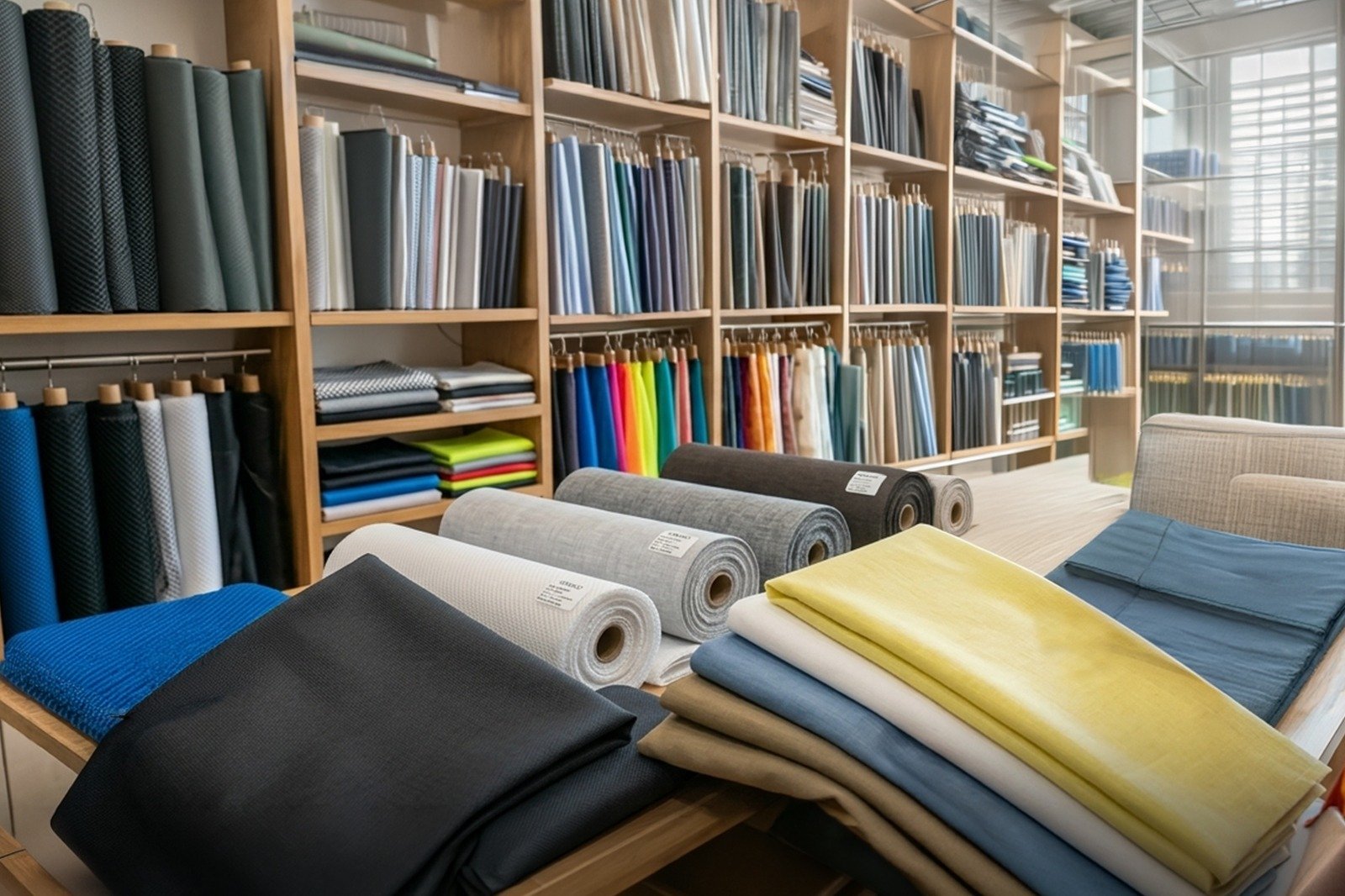
Most people assume a clothing brand starts with design. Sketches, moodboards, logo ideas. The visible side of things.
In practice, the direction of your brand begins much earlier. It starts when you decide who is going to make your fabric. That decision affects how your garments feel, how they perform after multiple washes, how consistent your products are and how your customers judge quality. It also affects your costs, timelines and how smoothly your business runs.
A lot of first-time founders treat fabric sourcing as a task to handle later. Something to fix once the designs are ready.
That usually creates problems.
Because by the time your designs are final, your fabric partner has already influenced what those designs can become. The structure of a shirt, the fall of a dress, the comfort of a co-ord set. These depend as much on fabric as they do on design. So, it makes sense to think about this early.
Fabric Is Not a Detail. It Is the Product
When someone buys your clothing, the first thing they notice is how it feels. Before the branding, before the story, it is the fabric that makes the first impression.
If the fabric feels right, everything else becomes easier. If it feels off, even a good design struggles to stand out.
This is why fabric manufacturing plays a central role in building a strong clothing brand. It connects directly to quality, comfort and perceived value.
If your brand focuses on everyday wear, your fabric needs to be comfortable and durable. If you are positioning yourself as premium, the material needs to justify that price point. If you talk about sustainability, your sourcing needs to support that claim. These are not marketing choices alone. They depend on your manufacturing partner.
A Working Relationship That Goes Both Ways
A good fabric partner is not just someone who supplies material. They become part of how your product comes together.
You bring the idea. They help make it workable.
When this relationship works well, things move faster. Sampling becomes easier. Communication is clear. Issues get resolved without too much back and forth.
When it does not work, even simple things start taking longer. You may deal with delays, inconsistent quality, or confusion during production. That is why it helps to look at this as a working relationship rather than a one-time deal.
What You Should Expect From a Fabric Manufacturer
If you are new to this space, it is easy to assume the manufacturer will simply follow your instructions.
In reality, a good partner will guide you through several decisions.
They can suggest the right fabric based on your product category. They can explain how certain fibres behave in different conditions. They can help you choose blends that improve durability or comfort.
They can also help you understand where you can save costs and where you should not cut corners. This kind of input is useful, especially when you are still learning how production works.
Consistency Builds Trust
One thing that matters a lot in clothing is consistency. If a customer buys a shirt from you and likes it, they expect the next one to feel the same. Same softness, same fit, same finish.
This depends heavily on how your fabric is produced.
A reliable manufacturing partner keeps quality consistent across batches. They manage variations in yarn, dyeing and finishing so that your final product does not change unexpectedly. Without this, you risk sending out products that feel different from one order to another. That often leads to returns and unhappy customers.
Understanding Basic Fabric Choices
You do not need deep technical knowledge to start a clothing brand, but knowing the basics helps.
Cotton is widely used because it is breathable and comfortable. Polyester is known for its strength and low maintenance. Blends combine different fibres to balance comfort and durability.
Each fabric behaves differently. Some drape well, some hold structure, some are better for everyday wear.
Your manufacturing partner should be able to explain these differences clearly and help you choose what suits your product. This makes your decisions more practical and less based on guesswork.
Looking Beyond the Lowest Price
Budgeting is always a problem, especially when beginning out. It is natural to seek reduced expenses. However, picking a fabric partner only on price can lead to problems later.
Lower rates may necessitate compromises in quality, dependability, and service. These difficulties may not be apparent at first, but they tend to emerge over time.
Spending a little more on a trusted partner can frequently save you money in the long term. Fewer mistakes, higher-quality products and more efficient operations all contribute to success. Instead of focusing solely on the initial expense, consider the overall benefit.
Clear Communication Matters More Than You Think
Miscommunication is the root cause of many production issues.
You need a partner who understands what you’re asking for and can plainly explain it in return. Timely updates, realistic schedules and candid feedback make the process easier.
When communication is delayed or confusing, minor difficulties can escalate into major problems. Samples may not meet expectations. Deadlines may be pushed. Good communication can help you avoid all of this.
Sustainability Is Becoming a Basic Expectation
Customers today pay more attention to how their clothes are made. They care about sourcing, environmental impact and ethical production.
If your brand speaks about responsibility, your fabric sourcing should reflect that.
Many manufacturers now offer sustainable fabric options and more transparent processes. Working with such partners strengthens your brand’s credibility.
It also helps you stay relevant as expectations in the industry continue to change.
Sampling Is Where You Catch Problems Early
Before you move to bulk production, sampling is an important step.
This is where you see how your design translates into an actual product. You can check the fabric, the fit and the overall look.
A good partner will support you through this stage and help you refine the product.
If sampling is rushed or handled poorly, mistakes can carry into full production. Fixing them later is always more expensive.
Taking time here is worth it.
Think About Growth From the Start
When launching a brand, the focus is usually on the first collection. That makes sense, but it is also important to think ahead. If your brand grows, can your fabric partner handle larger orders? Can they maintain the same quality as volumes increase? Changing partners later can slow things down and create inconsistencies. Choosing someone who can scale with you helps avoid that disruption.
Signs That a Partner May Not Be Right
It helps to pay attention to early warning signs.
If pricing is unclear or keeps changing without explanation, that is a concern. If communication is slow, it may get worse during production. If samples are inconsistent, bulk orders may have the same issue.
Other signs include missed deadlines and a lack of clarity about processes.
It is better to notice these things early rather than deal with bigger problems later.
Building Something That Lasts
A good working relationship with your fabric manufacturer improves over time. As they understand your brand better, they can support you more effectively. They can anticipate your needs and help you avoid common mistakes.
This kind of stability is valuable, especially in a business where consistency matters.
It also makes your operations smoother as you grow.
Final Thoughts
Starting a clothing brand involves many moving parts. Design, branding, marketing and sales all play a role. At the same time, the quality of your product depends heavily on your fabric and the people behind it.
Choosing the right fabric manufacturing partner, Cirocco Fabrics, shapes how your brand is experienced by customers. It influences quality, reliability and growth.
It is a decision worth taking seriously from the beginning. Because in the end, your product speaks before your marketing does.
FAQ
What questions should I ask a fabric manufacturer before working with them?
Do not just ask about price. Ask how they handle quality checks, what their lead times look like and how they deal with delays. Check if they can maintain consistency across batches and whether they are open to smaller trial orders. It also helps to understand how they communicate during production. A good partner will answer clearly and without hesitation.
How can I tell if a fabric will work for my design before bulk production?
You need to test it in real conditions. Request swatches first, then move to sample garments. Wear them, wash them and observe how the fabric behaves over time. Pay attention to shrinkage, colour fading, and comfort. What looks good on a sample sheet can feel very different as a finished product.
How early should I involve a fabric manufacturer in my brand journey?
Earlier than most people think. Ideally, you should involve them while your designs are still being developed. This allows you to adjust based on what is actually feasible in terms of fabric, cost and production. Waiting until everything is finalised often leads to compromises or rework, which can slow you down.