

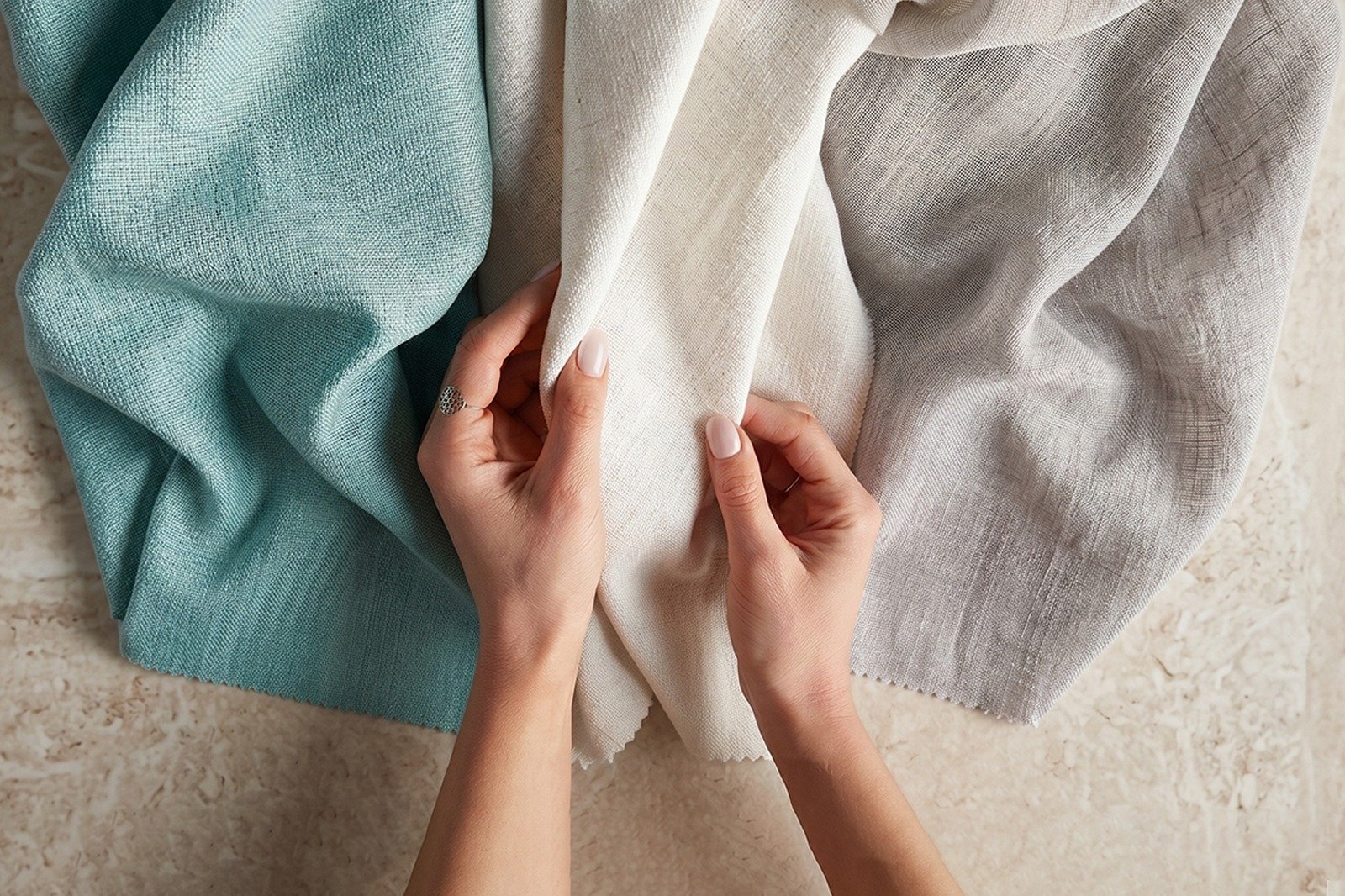
A well-made shirt begins long before any sewing, cutting, or design is involved. It starts with the fabric. When yarn is spun and woven, the foundation of the finished garment is laid. This is why fabric plays such an important part in determining how a shirt looks, feels and performs with time.
People frequently choose shirts based on colour, fit or brand identity. However, the genuine character of the garment is hidden deeper. Shirt textiles are responsible for comfort, durability and aesthetic appeal. A shirt’s design can be wonderful, but if the fabric fails to meet expectations, the experience of wearing it changes completely.
Fabric quality influences how the shirt feels on the skin, adapts to movement and matures with regular use. In many ways, the shirt’s fabric tells its own tale before the wearer.
Understanding What Makes Quality Fabrics
To understand why fabric quality is important, consider what constitutes quality fabrics in the first place. It starts with the raw fibre. Whether it is cotton, linen, or a combination, the length and strength of the fibre are important. Longer fibres provide smoother yarns, which result in softer and more durable fabrics.
The weaving technique provides an extra element of fineness. The depth of the weave, the balance of warp and weft, and the finishing procedures all influence how the fabric performs. A tightly woven fabric provides strength and structure, but a more open weave promotes ventilation.
Finishing techniques improve the fabric even further. Treatments can increase softness, prevent shrinking and keep colours vibrant. When all of these factors are combined with precision, the result is a fabric that elevates the finished garment.
Comfort Begins with the Fabric
When wearing a shirt, the first thing that comes to mind is how comfortable it feels. This instant impression is largely determined by the fabric. Softness, breathability, and weight combine to define comfort in ways that design alone cannot.
High-quality shirt fabrics allow air to circulate, hence regulating body temperature. This is especially true in hotter regions, when the wrong fabric can feel heavy and confining. A well-made cloth adapts to its surroundings and promotes ease of movement.
Texture also plays a small but significant influence. A smooth, refined surface feels good on the skin, whereas gritty fabrics might cause irritation with time. Comfort is not a luxury in clothing. It is a basic expectation, which begins with selecting the appropriate fabric.
The Visual Appeal of a Shirt
Fabric quality directly influences how a shirt looks. The richness of colour, the sharpness of patterns and the overall finish all depend on the fabric’s ability to hold dyes and maintain structure.
Quality fabrics absorb colour evenly, creating depth and consistency. This ensures that the shirt retains its visual appeal even after multiple washes. Poor-quality fabric often fades unevenly, which affects the overall look of the garment.
The way a shirt drapes is another visible indicator of fabric quality. A refined fabric falls naturally, creating a clean and polished silhouette. This enhances the overall appearance without requiring additional effort from the wearer.
Durability and Long-Term Value
A shirt is worn, washed and worn again. Over time, its durability becomes a defining factor. Fabric quality determines how well the shirt withstands this cycle.
Strong fibres and well-constructed weaves resist wear and tear. They maintain their shape, prevent excessive wrinkling and reduce the chances of tearing. This extends the life of the garment and ensures consistent performance.
Lower-quality fabrics may lose their structure quickly. They can shrink, fade, or develop a rough texture. This leads to frequent replacements, which increases long-term cost. Investing in quality fabrics provides better value, as the shirt remains reliable over time.
The Role of Fabric in Fit and Structure
Fit is often associated with tailoring, but fabric plays an equally important role. The way a shirt sits on the body depends on how the fabric behaves.
Structured fabrics provide a crisp and defined look, making them suitable for formal settings. Softer fabrics create a relaxed and casual feel. The choice of fabric influences how the shirt adapts to different occasions.
Stretch and flexibility also come into play. A fabric that moves naturally with the body enhances comfort and ensures that the shirt maintains its shape throughout the day. This balance between structure and movement is achieved through careful fabric selection.
Breathability and Seasonal Relevance
Different seasons demand different fabrics. In warmer months, breathable materials such as linen and lightweight cotton become essential. These fabrics allow heat to escape and keep the wearer cool.
During cooler periods, slightly heavier fabrics provide warmth while maintaining comfort. The ability of a fabric to respond to seasonal changes adds to its overall quality.
Shirt fabrics that adapt to climate conditions enhance the wearing experience. They ensure that the shirt remains suitable across different environments, making it a versatile addition to any wardrobe.
Sustainability and Responsible Choices
Fabric quality also connects with sustainability. High-quality fabrics tend to last longer, which reduces the need for frequent replacements. This contributes to a more responsible approach to fashion.
The production process of quality fabrics often involves better control and precision. This leads to reduced waste and improved efficiency. Choosing durable fabrics supports a shift towards mindful consumption.
Consumers today are becoming more aware of the impact of their choices. Fabric quality plays a key role in aligning style with responsibility.
Why Fabric Comes Before Everything Else
The fabric plays an important role in every stage of shirt production. The cloth serves as the base for cutting, sewing, and finishing. If the foundation is robust, the finished result will reflect that strength.
Design can improve a garment, but it cannot make up for poor fabric. The fabric determines how the shirt feels, looks and how long it will last. It shapes the overall experience of wearing the garment.
Understanding this link allows both producers and customers to make better judgements. It moves the emphasis from surface-level details to the fundamental factor that defines quality.
Conclusion
Every excellent shirt starts with high-quality fabric. It affects comfort, look, durability and total value. Shirt fabrics carry the spirit of the garment, establishing its individuality from the start.
Choosing superior fabrics results in better shirts, which contribute to a better experience. The difference becomes obvious over time as the shirt performs and retains its charm.
Ultimately, fabric is more than just a material. It is the base that decides whether a garment is simply present or actually unique.
If you want one of the best shirt fabrics in India, be sure to check out Cirocco Fabrics.
FAQ
Why do some shirts feel better as the day goes on, while others feel uncomfortable?
It comes down to how the fabric reacts to your body over time. Good shirt fabrics respond to movement, enable air to circulate through and regulate moisture effectively. Poorer fabrics trap heat and lose shape, making them uncomfortable after a few hours.
Can fabric quality influence how others perceive a shirt?
Yes, in a subtle but noticeable way. Quality fabrics hold colour better, fall more naturally, and maintain a clean surface. This creates a sharper and more refined appearance, even if the design is simple. People may not identify the reason directly, but they can sense the difference.
Why do some shirts look great on the hanger but disappoint after a few wears?
This usually happens when the fabric lacks strength or proper finishing. It may appear appealing at first, but repeated washing and wearing reveal its limitations. The texture can change, the fit may shift and the overall look can fade, which affects the shirt’s long-term appeal.